

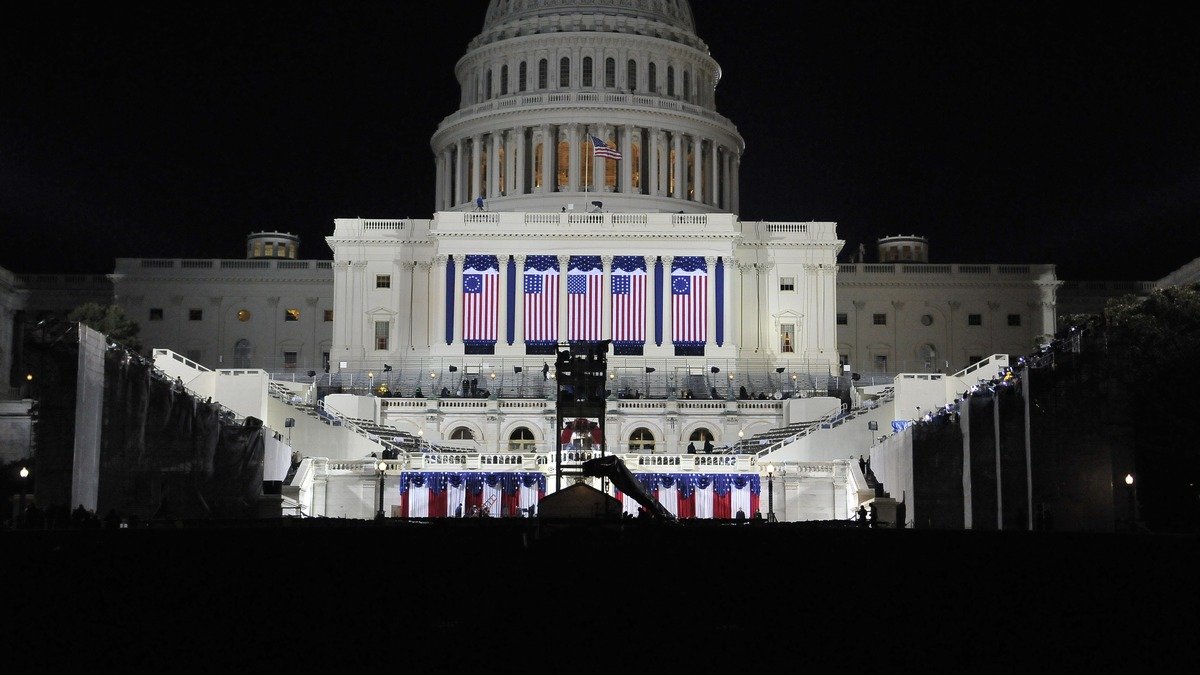
House Speaker Mike Johnson formally introduced a three-month stopgap spending measure on Sunday, aiming to avert a destabilizing federal government shutdown just days before funding expires at midnight on September 30. The revised continuing resolution maintains federal agency funding at current discretionary levels through December 20.
The move represents a tactical retreat by the Republican House leadership following the defeat of Johnson's initial spending package last week. That earlier six-month proposal foundered after fourteen House Republicans joined united Democrats to reject tying government funding to the SAVE Act, a bill mandating documentary proof of citizenship for federal voter registration.
Pivoting to a Clean Resolution to Prevent Fiscal Gridlock
By discarding the controversial voting mandate, Johnson paved the way for cross-party cooperation with House Democratic Leader Hakeem Jeffries and Senate Majority Leader Chuck Schumer. Leaders in both parties indicated that the streamlined legislation avoids contentious policy riders, ensuring smooth passage through both chambers before the end of the fiscal year.
A key provision of the stopgap package is the allocation of $231 million in emergency supplemental funding for the United States Secret Service. The infusion follows heightened national security alarms after two separate assassination attempts targeting former President Donald Trump, enabling the protective agency to increase operational footprint, tactical overtime, and advanced security screening at campaign rallies.
“While this is not the solution that any of us preferred, it is the most prudent path forward to keep the government open, fulfill our constitutional responsibilities, and protect the American people before the fiscal deadline.”
Emergency Protective Resources and Bipartisan Momentum
The measure also includes additional resources to facilitate the smooth execution of the 2024 presidential transition and replenishes disaster relief reserves administered by the Federal Emergency Management Agency (FEMA). Fiscal conservatives in the House Freedom Caucus voiced disappointment that the bill sets up another omnibus funding fight just before the winter holidays, but Johnson defended the compromise as essential for economic stability.
House floor debate and an expedited roll-call vote are scheduled for mid-week, after which the Senate is expected to take up and pass the measure immediately. President Joe Biden has confirmed he will promptly sign the continuing resolution once it reaches his desk, ensuring uninterrupted federal operations through the November elections.

Comments (0)
Log in to join the discussion.