

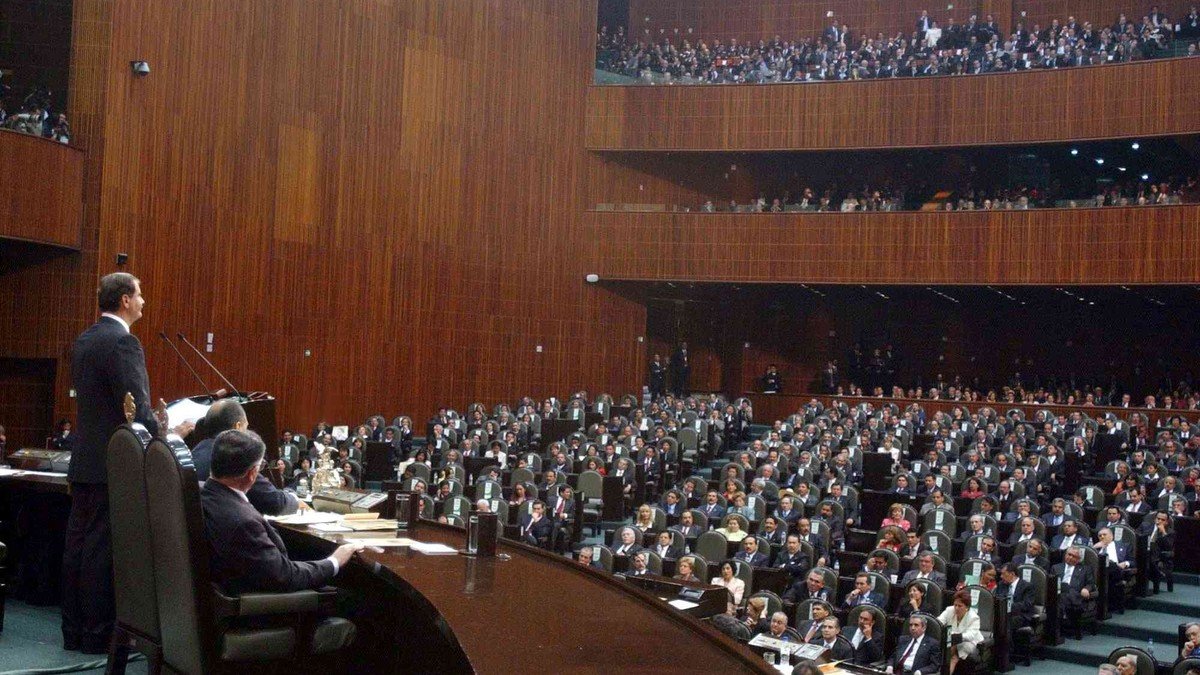
In a momentous ceremony that reverberated across Latin America, Claudia Sheinbaum was formally sworn in on Tuesday as the 66th president of Mexico, becoming the first female head of state in the nation's more than 200 years of independence. Standing before the Congress of the Union in Mexico City, Sheinbaum took the constitutional oath surrounded by hundreds of lawmakers, foreign dignitaries, and global heads of state.
The historic investiture was symbolized by the transfer of the tricolor presidential sash, presented to Sheinbaum by 94-year-old legislative icon and leftist pioneer Ifigenia Martínez. The ceremony concluded the six-year administration of Andrés Manuel López Obrador, cementing the peaceful democratic transition of power under the governing Morena coalition.
A Landmark Inauguration in Mexico's Two-Century History
During her inaugural address, Sheinbaum, a former environmental engineer and energy researcher who governed Mexico City as mayor, struck a tone of ambitious social transformation coupled with economic pragmatism. She reassured domestic and international investors that private capital and central bank autonomy would be rigorously protected under her administration.
Sheinbaum highlighted her vision for modern Mexico, emphasizing the expansion of universal scholarships, pension support for women aged sixty to sixty-four, and aggressive investments in renewable energy infrastructure. She stressed that economic growth must directly benefit marginalized working communities while fostering technological innovation across key domestic industries.
“It is time for transformation and it is time for women. I arrive not alone; we all arrive together to build an equitable, sovereign, and prosperous nation.” — Claudia Sheinbaum, President of the United Mexican States
Policy Priorities: Social Welfare, Clean Energy, and Judicial Reform
The incoming president also addressed high-profile governance challenges, notably the implementation of a sweeping constitutional reform to elect judges and Supreme Court magistrates by popular vote. While critics have raised concerns about judicial independence, Sheinbaum asserted that the reform would eradicate systemic corruption and democratize access to justice.
International delegations from sixteen countries, including leaders from across the Americas and high-ranking envoys from Washington and Europe, expressed optimism for strengthened diplomatic cooperation. As Sheinbaum later addressed hundreds of thousands of supporters in Mexico City's historic Zócalo, she reaffirmed her commitment to public security through intelligence-driven policing and root-cause poverty alleviation.
Frequently Asked Questions
What makes Claudia Sheinbaum's presidency historic?
She is the first female president in Mexico's two centuries of independent constitutional history.
What are the main priorities of the Sheinbaum administration?
Her agenda prioritizes expanding social welfare programs, renewable energy investments, and implementing judicial reform.


Comments (0)
Log in to join the discussion.