

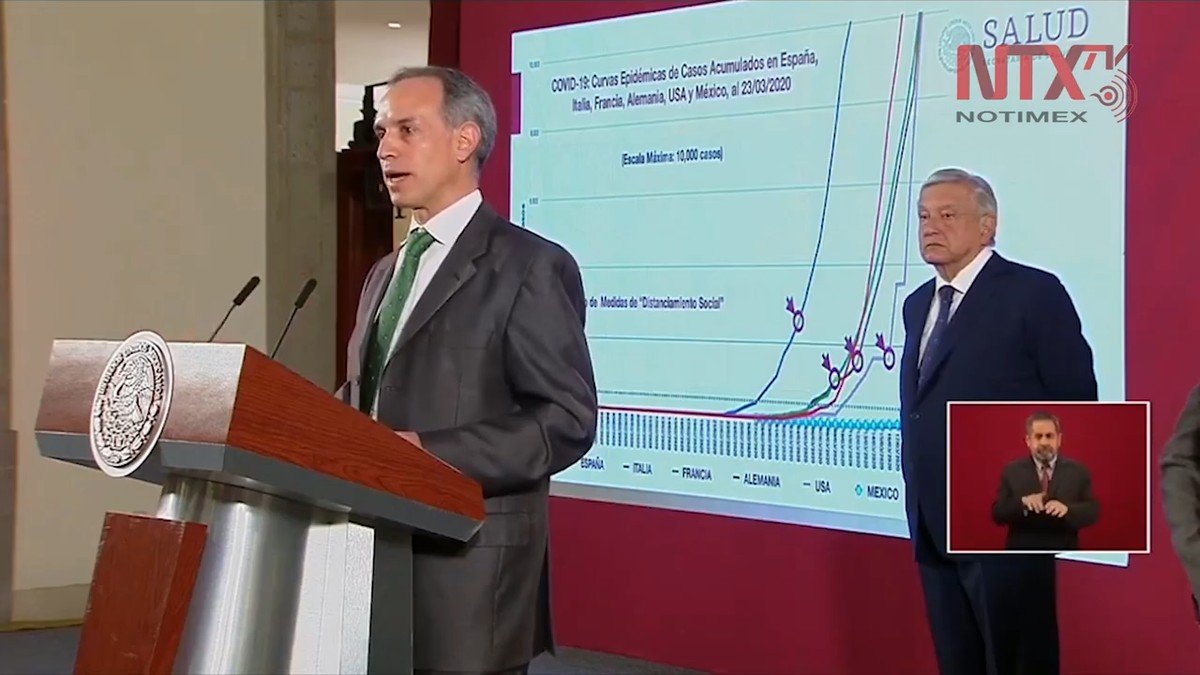
Mexican President Claudia Sheinbaum and Security Secretary Omar García Harfuch formally presented the administration's comprehensive four-pillar National Security Strategy during a press conference at the National Palace in Mexico City on Tuesday. The blueprint establishes a decisive break from militarized anti-narcotics offensives, prioritizing social prevention, technological intelligence, and institutional coordination to restore lasting peace across Mexican municipalities.
Addressing reporters, Sheinbaum reiterated that her government will not return to the confrontation-heavy strategies that fueled widespread bloodshed in past decades. Instead, the administration aims to tackle violence by addressing structural poverty, expanding educational and job opportunities for at-risk youth, and ensuring that serious offenses are thoroughly investigated without political favoritism.
Targeting Root Causes and Strengthening Intelligence Capabilities
The first pillar of the strategy focuses on addressing root causes through expanded welfare initiatives, such as youth apprenticeships and community centers in historically marginalized regions. The second pillar consolidates the National Guard under the administrative umbrella of the Ministry of National Defense, preserving its public security role while improving specialized operational training, tactical readiness, and human rights compliance.
Security Secretary Omar García Harfuch detailed the critical third pillar: establishing a National Intelligence System that links federal agencies, financial intelligence units, and state prosecutor offices. Harfuch emphasized that criminal networks will be dismantled through financial disruption, forensic analysis, and targeted arrest warrants rather than indiscriminate street firefights.
“We will not return to the failed war on drugs. Our strategy combines social programs for youth with rigorous intelligence and zero impunity to pacify the nation.” — Claudia Sheinbaum, President of Mexico
Consolidating the National Guard and Inter-Agency Coordination
The fourth pillar establishes daily operational coordination between the federal Security Cabinet and Mexico's 32 state governors. High-impact violence will be targeted through customized regional interventions, particularly in states experiencing acute cartel friction such as Sinaloa, Guanajuato, Guerrero, and Michoacán, where specialized federal task forces will assist local authorities.
Sheinbaum stressed that the primary benchmark of success will be a measurable reduction in homicides and extortions, alongside the systematic eradication of impunity. By combining progressive social welfare with modernized investigative policing, the Mexican government seeks to construct sustainable safety and restore civic trust nationwide.
Frequently Asked Questions
What are the four pillars of Mexico's new national security strategy?
The four pillars are addressing root causes of crime, strengthening the National Guard, enhancing intelligence and investigations, and federal-state coordination.
How does Claudia Sheinbaum's security strategy differ from the drug war?
Sheinbaum's strategy avoids militarized armed confrontations, focusing instead on social support for youth, financial intelligence, and ending judicial impunity.




Comments (0)
Log in to join the discussion.