

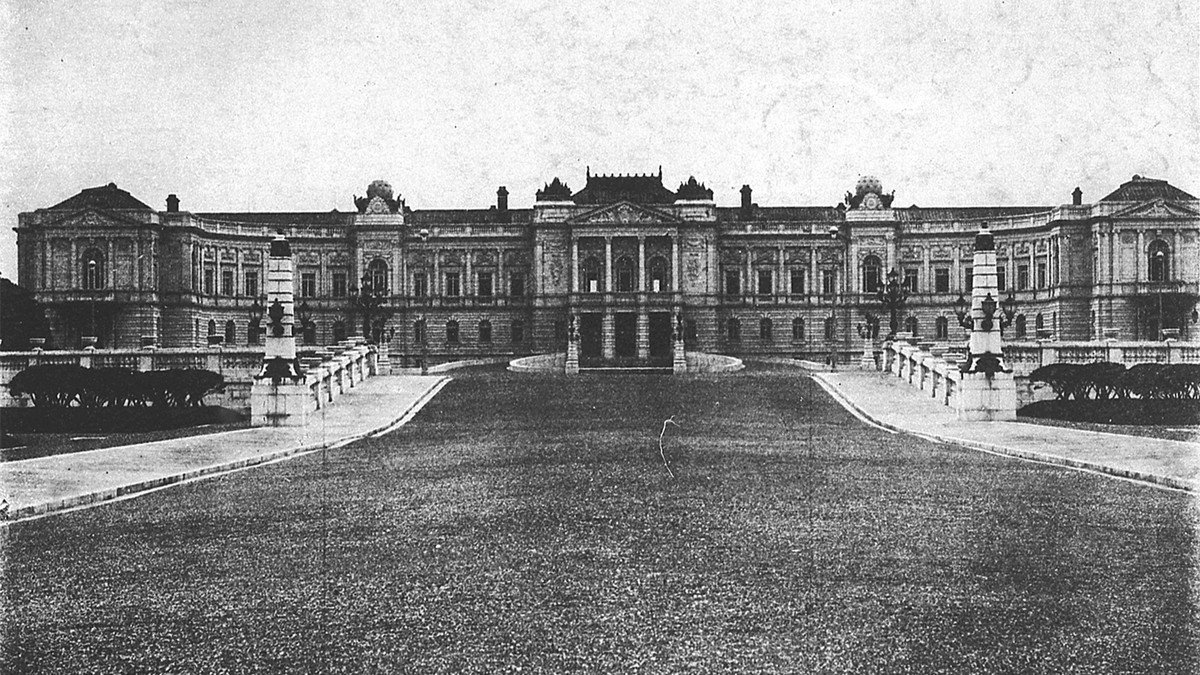
Japanese Prime Minister Shigeru Ishiba officially dissolved the House of Representatives on Wednesday afternoon, triggering a high-stakes snap general election scheduled for October 27. The decisive constitutional move took place just eight days after Ishiba took office following his victory in the Liberal Democratic Party leadership contest, marking one of the swiftest parliamentary dissolutions by a newly appointed prime minister in Japan's postwar era.
During an extraordinary plenary session of the National Diet in Tokyo, House of Representatives Speaker Fukushiro Nukaga read the Imperial Rescript formally declaring dissolution under Article 7 of the Japanese Constitution. Lawmakers stood and cheered 'Banzai' three times in accordance with parliamentary custom before vacating the chamber to initiate campaign preparations across the country.
Historic Dissolution and Campaign Schedule for October 27
Official election campaigning will formally commence on October 15, providing candidates with a compressed twelve-day window to engage voters ahead of polling day on October 27. All 465 seats in the lower house—289 single-member constituencies and 176 proportional representation seats—will be contested in a vote that will determine the composition of Japan's next government.
The snap election follows months of political turbulence ignited by a widespread political fundraising scandal involving undisclosed kickbacks within several LDP factions. In an unprecedented move, Ishiba announced that the ruling party will refuse official endorsement or proportional list inclusion for key lawmakers deeply implicated in the funding irregularities, signaling an assertive effort to demonstrate accountability.
“I am dissolving parliament to ask the sovereign people of Japan for their direct judgment on our new administration and our determination to restore trust in politics.” — Shigeru Ishiba, Prime Minister of Japan
Restoring Political Trust and Economic Revitalization Agenda
Beyond political funding transparency, the campaign will center on pressing economic challenges, including persistent domestic inflation, rising energy costs, and real wage stagnation. Opposition parties, led by Yoshihiko Noda's Constitutional Democratic Party of Japan, have mobilized to challenge the LDP-Komeito coalition by advocating for targeted tax relief and stronger social safety nets.
Ishiba emphasized that his administration requires an unambiguous public mandate to execute bold regional revitalization initiatives, strengthen national defense deterrents, and navigate growing geopolitical uncertainties in East Asia. The upcoming ballot is widely viewed as a pivotal referendum on the credibility and governance of Japan's ruling coalition.
Frequently Asked Questions
Why did Prime Minister Shigeru Ishiba dissolve Japan's parliament?
Ishiba dissolved parliament eight days after taking office to seek a direct public mandate for political ethics reform and economic revitalisation.
When will Japan's general election take place?
Official campaigning begins on October 15, and nationwide voting will take place on Sunday, October 27, 2024.

Comments (0)
Log in to join the discussion.