

The bitter labor standoff between aerospace titan Boeing and its largest union intensified dramatically on Monday as the planemaker filed an unfair labor practice charge with the National Labor Relations Board (NLRB), accusing the International Association of Machinists and Aerospace Workers (IAM) of bargaining in bad faith.
In its formal filing with the federal labor regulator, Boeing alleged that leaders of IAM District 751, which represents approximately 33,000 striking frontline machinists in Washington State and Oregon, engaged in regressive tactics and publicly distorted the company's sweetened contract proposals to membership.
Escalating Hostilities at the National Labor Relations Board
The legal counterattack came hours after Boeing bypassed union negotiators to publicly publish what it termed its 'best and final' offer: a 30 percent general wage increase over four years, reinstated annual performance bonuses, and doubled retirement matching contributions.
Union leaders swiftly condemned the public announcement as a provocative attempt to circumvent collective bargaining laws, informing workers that Boeing had refused to negotiate on key union priorities, including a 40 percent wage hike and the restoration of defined-benefit pension plans eliminated a decade ago.
“Boeing's decision to bypass the bargaining committee and negotiate through the press is disrespectful to our members. We will not be pressured into accepting an inadequate deal.”
Financial Toll Mounts as Aircraft Deliveries Freeze
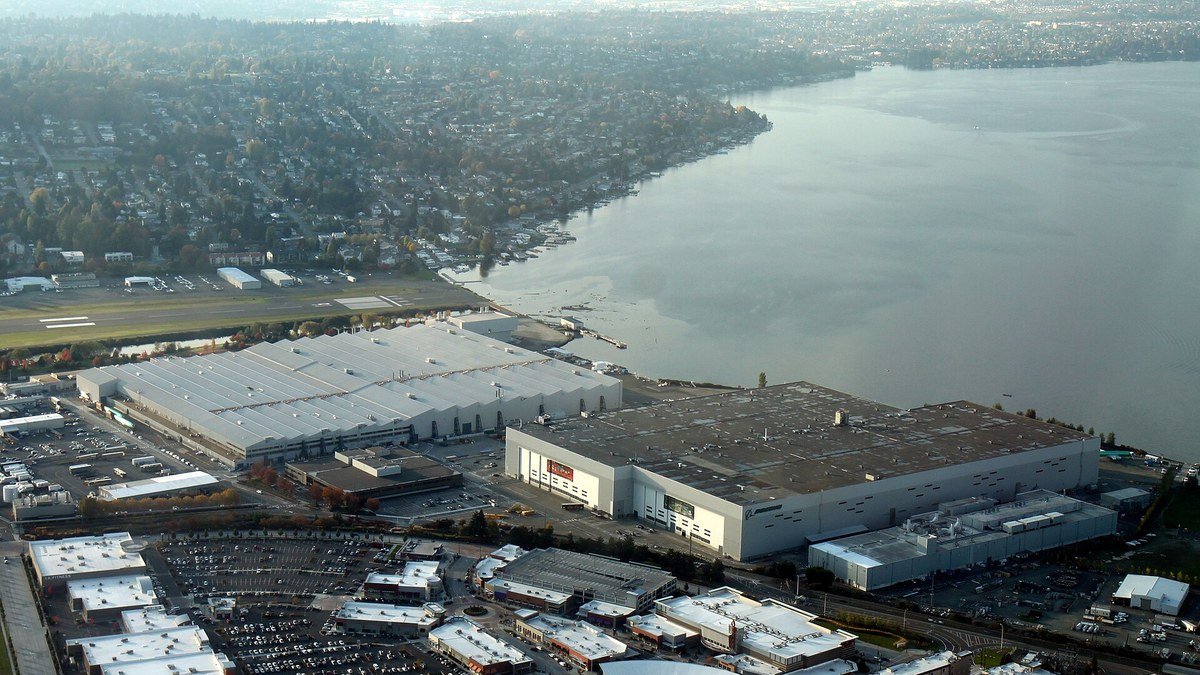
The walkout, now entering its second week, has paralyzed final assembly lines for the bestselling 737 MAX narrowbody, the 777 widebody, and the 767 freighter at factories in Renton and Everett, depriving the embattled manufacturer of vital cash flow generated upon aircraft deliveries.
Wall Street credit rating agencies, including Moody's and S&P Global, have warned that an extended stoppage burning over $1 billion a month could push Boeing's credit rating into junk territory, severely complicating new CEO Kelly Ortberg's turnaround strategy.



Comments (0)
Log in to join the discussion.