

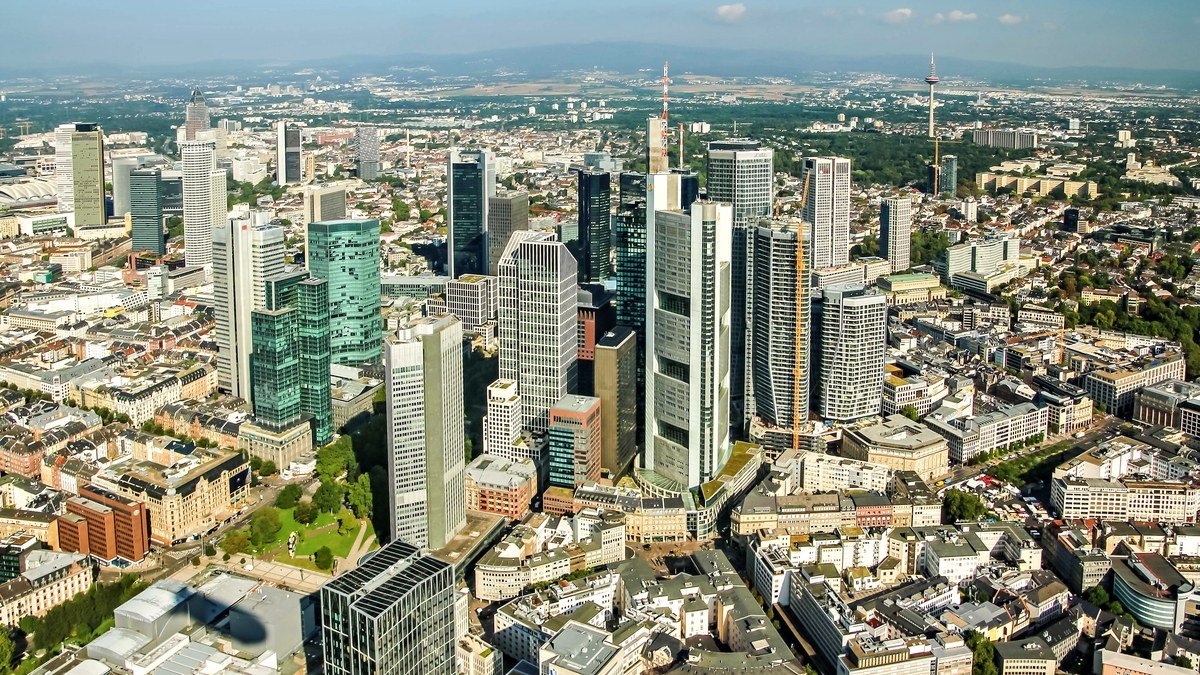
Business morale in Germany deteriorated for the fourth consecutive month in September, as the benchmark Ifo Business Climate Index fell to 85.4 points from 86.6 in August, reaching its lowest reading since January. The sharper-than-expected decline signals deepening distress across Europe's largest economy, reinforcing forecasts that Germany may conclude 2024 trapped in an outright recession.
Conducted monthly by the Munich-based Ifo Institute for Economic Research, the closely watched survey of roughly 9,000 corporate leaders revealed across-the-board pessimism. Companies evaluated their current operating condition significantly more critically, dropping the current assessment index to 84.4 points, while expectations regarding the upcoming six months worsened to 86.3 points.
Manufacturing Malaise and Slumping Automotive Orders
The deterioration was most pronounced in the core manufacturing sector, long the bedrock of German export prosperity. Order backlogs continued their steady decline as global demand weakened—most notably in China, where domestic competition and economic sluggishness have hit German premium automakers and industrial machinery producers particularly hard.
Automotive sentiment sank into deeply negative territory following profit warnings and restructuring announcements from flagship manufacturers including Volkswagen, BMW, and Mercedes-Benz. Executives cited structural handicaps including elevated industrial electricity tariffs, burdensome bureaucratic compliance costs, and fierce pricing wars from Asian electric vehicle manufacturers.
“The German economy is coming under ever greater pressure. The downturn in manufacturing is entrenched, and pessimism regarding future months has visibly intensified.”
Recession Risks and Structural Competitiveness Headwinds
Service sector confidence, which had previously cushioned the industrial downturn earlier in the summer, also gave ground in September. Hospitality, trade, and corporate logistics providers reported slowing turnover as corporate clients slashed discretionary budgets and consumer sentiment remained paralyzed by job insecurity.
With gross domestic product having contracted by 0.1% in the second quarter, leading economic research institutes warned that a second consecutive quarterly contraction in the third quarter would push Germany into an official technical recession, prompting urgent calls for federal corporate tax reforms.


Comments (0)
Log in to join the discussion.