

In an extraordinary discovery that bridged two centuries of historical scholarship, a team of student archaeologists excavating an ancient Gallic settlement on the cliff tops of Normandy has unearthed an intact 200-year-old message in a bottle left by a fellow researcher in January 1825.
The discovery occurred at the Camp de César site in the town of Eu, near Dieppe in northern France. Excavation director Guillaume Blondel and his team of student volunteers were conducting emergency digs at the fortified Gallic village (oppidum) when a student uncovered a glazed earthenware pot buried just below the surface.
A Poetic Time Capsule Preserved in an Earthenware Pot
Inside the clay pot lay a small vintage glass scent flask sealed with wax. When Blondel carefully opened the vial in the field laboratory, he extracted a tightly rolled piece of paper inscribed in elegant cursive script.
The handwritten note declared: 'P.J. Féret, native of Dieppe, member of various intellectual societies, carried out excavations here in January 1825. He continues his research in this vast area called the Cité de Limes.' Féret was a prominent local antiquarian whose historical records are preserved in municipal archives.
“It was an absolutely magical moment. We know there had been excavations here in the past, but finding this message from 200 years ago left specifically for us felt like time had dissolved.”
Salvaging Ancient History from Normandy's Collapsing Cliffs
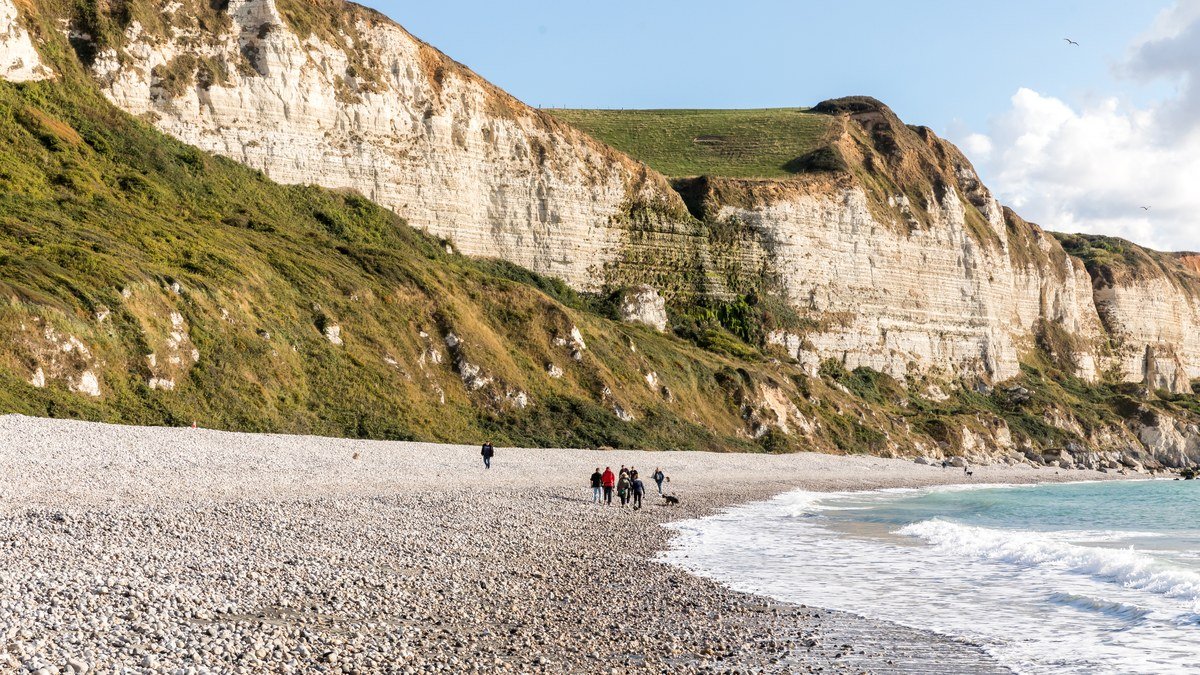
The contemporary excavation was organized as an urgent archaeological salvage effort because severe coastal erosion along the chalk cliffs of the English Channel is rapidly threatening to collapse the cliff edge and send the irreplaceable Gallic site tumbling into the sea.
The municipal heritage department of Eu announced that Féret's handwritten note and the clay vessel will be conserved and placed on permanent public exhibition in the town's museum alongside the newly recovered Gallic pottery.


Comments (0)
Log in to join the discussion.