

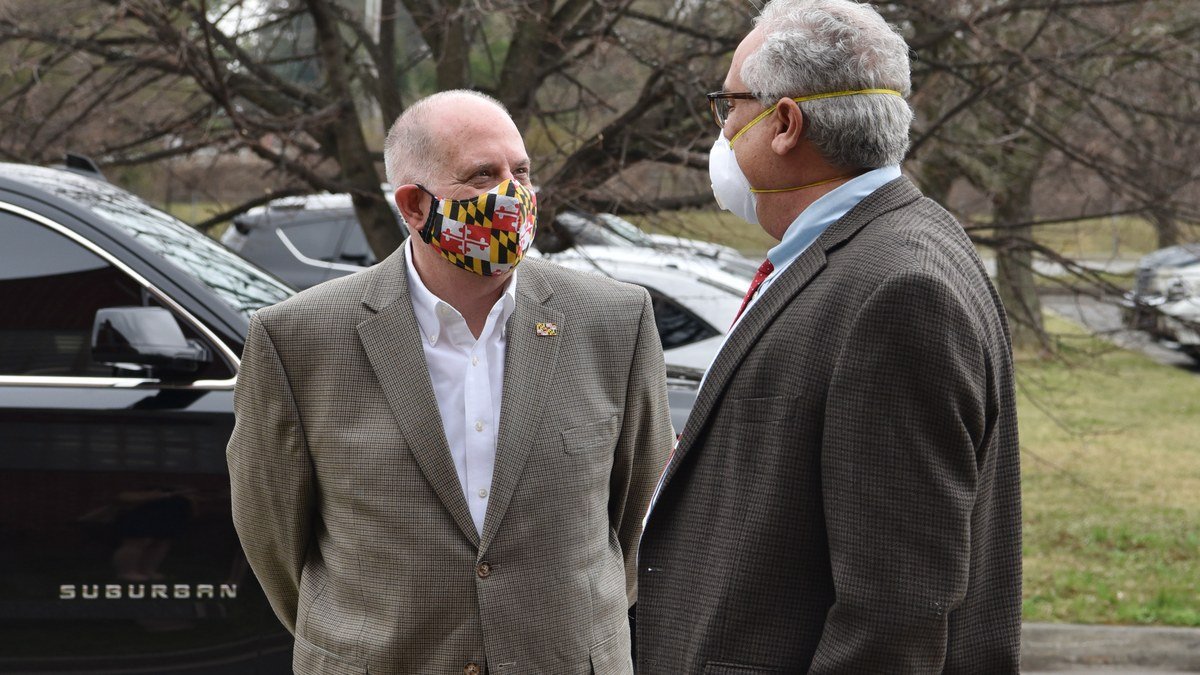
The World Health Organization (WHO) and Gavi, the Vaccine Alliance, have successfully completed the delivery of the first shipment of Bavarian Nordic's Mpox vaccine (MVA-BN) to N'djili International Airport in Kinshasa, Democratic Republic of the Congo (DRC). The arrival of more than 250,000 doses represents a decisive operational turning point in the international response to the rapidly escalating viral outbreak across central Africa.
The DRC has been the epicentre of an alarming surge in Mpox cases throughout 2024 and 2026, driven primarily by the virulent Clade Ib strain that has demonstrated sustained human-to-human transmission. National health authorities have documented more than 21,000 suspected cases and over 700 fatalities, with children under the age of fifteen disproportionately affected across endemic provinces including South Kivu and Équateur.
Targeted Inoculation Strategy for Frontline Health Workers and Contacts
Working in close collaboration with the Africa Centres for Disease Control and Prevention (Africa CDC) and the Congolese Ministry of Public Health, initial inoculation campaigns will target frontline medical workers, laboratory technicians, and close contacts of confirmed cases to establish an immediate cordon of immunological protection around active transmission clusters.
Public health logisticians have deployed specialized ultra-cold chain mobile freezers and solar-powered storage hubs to maintain vaccine efficacy across remote equatorial regions where reliable electrical grid access is non-existent.
“The arrival of these initial vaccine batches marks a critical operational turning point in halting the transmission of Mpox and protecting vulnerable frontline health personnel in central Africa.”
Overcoming Cold-Chain Infrastructure and Logistical Barriers in Central Africa
International humanitarian donors, including the European Union, the United States, and Japan, pledged additional financial and logistical support to scale vaccine procurement toward an estimated regional target of three million doses needed to effectively suppress transmission across central Africa.
Global health advocates emphasized that sustained vaccine equity must be paired with community-level diagnostic testing, nutritional support, and localized educational outreach to dismantle social stigma and ensure high vaccine uptake among vulnerable populations.
Comments (0)
Log in to join the discussion.