

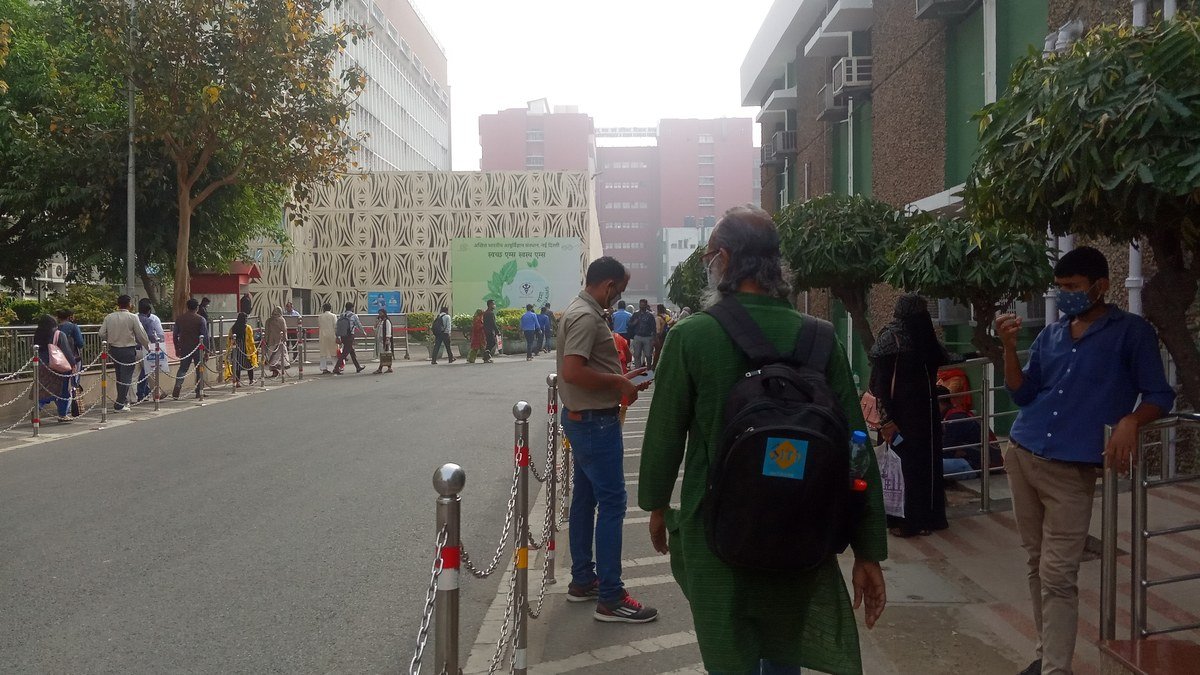
India's Union Ministry of Health and Family Welfare has accelerated its national campaign to eliminate tuberculosis by expanding the rollout of the novel six-month, all-oral BPaLM treatment regimen for multidrug-resistant and rifampicin-resistant tuberculosis (MDR/RR-TB). Introduced under the National Tuberculosis Elimination Programme (NTEP), the four-drug combination comprises bedaquiline, pretomanid, linezolid, and moxifloxacin, offering a safer and substantially faster alternative to traditional therapies.
Historically, patients diagnosed with drug-resistant tuberculosis in India faced grueling treatment schedules lasting between 18 and 24 months, often involving painful daily injections, severe adverse side effects, and high rates of treatment default. Clinical trials validated by the World Health Organization (WHO) and the Indian Council of Medical Research (ICMR) have demonstrated that the 26-week BPaLM protocol achieves cure rates approaching 89 percent while drastically lowering pill burden and out-of-pocket expenses.
Cutting Multidrug-Resistant TB Treatment from Two Years to Six Months
Central Drug Standard Control Organization (CDSCO) approval and NTEP operational guidelines now enable state-level TB training centers and district nodal hospitals to transition approximately 75,000 drug-resistant TB patients annually onto the BPaLM regimen. State health directorates have commenced intensive capacity-building workshops for pulmonologists, district TB officers, and frontline Accredited Social Health Activist (ASHA) workers to monitor drug safety and baseline diagnostics.
To complement the pharmacological breakthrough, the central government has overhauled its nutritional support framework under the Ni-kshay Poshan Yojana (NPY). Recognizing that undernutrition is the single largest population-level risk factor driving TB reactivation in India, the Ministry doubled the Direct Benefit Transfer (DBT) financial assistance from 500 rupees to 1,000 rupees per month for every TB patient throughout the course of treatment.
“Deploying the six-month BPaLM regimen alongside enhanced nutritional support will dramatically improve cure rates and reduce treatment burdens for multidrug-resistant tuberculosis patients across India.”
Doubled Nutritional Aid and Digital Tracking via Ni-kshay 2.0
Additionally, the government expanded the 'Pradhan Mantri TB Mukt Bharat Abhiyan' through the upgraded Ni-kshay 2.0 digital portal, which connects community donors—known as Ni-kshay Mitras—with patients requiring supplemental high-protein food baskets and household energy support. Under the revised guidelines, household family contacts of infectious TB patients will also receive preventive nutritional kits and expanded TB Preventive Treatment (TPT).
Public health officials estimate that combining the six-month BPaLM regimen with doubled Direct Benefit Transfers and molecular nucleic acid amplification testing (NAAT) at primary health centers will save the national healthcare system billions of rupees while propelling India toward its ambitious sustainable development target of ending tuberculosis as a public health threat.
Comments (0)
Log in to join the discussion.