


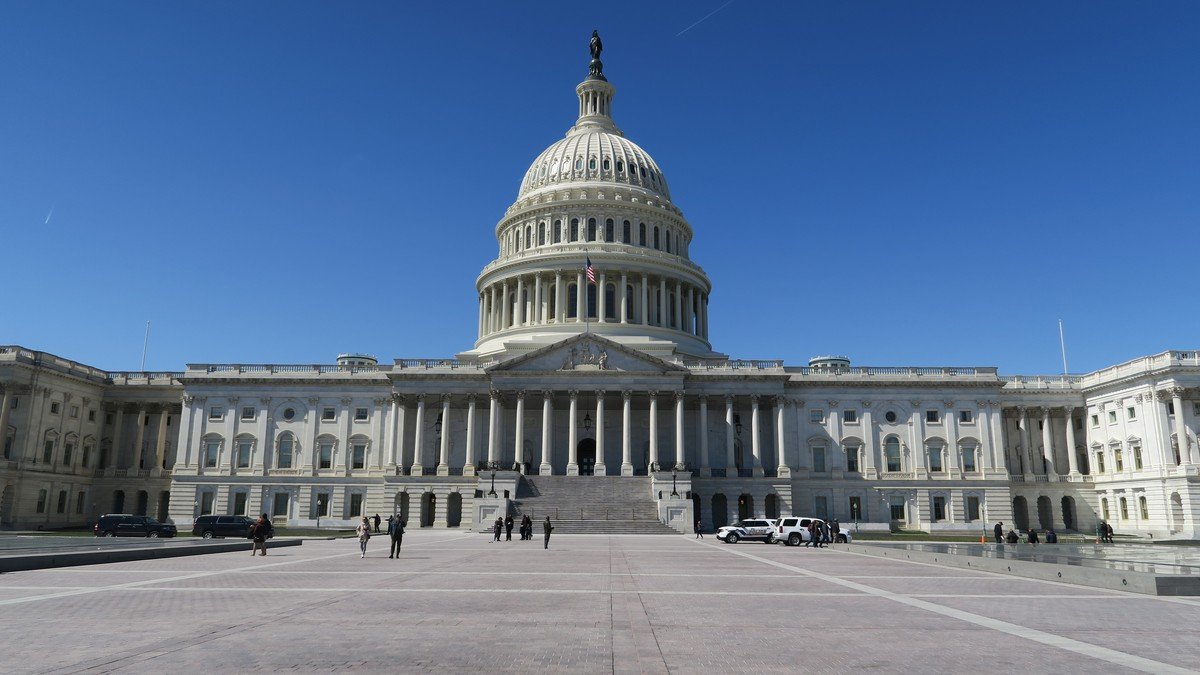
The United States Senate on Wednesday evening decisively approved a bipartisan stopgap funding package in a lopsided 78-18 vote, effectively extinguishing the threat of a partial federal government shutdown ahead of the looming October 1 deadline. The legislative breakthrough followed swift passage in the House of Representatives earlier in the day, demonstrating rare cross-aisle cooperation in Washington just weeks before the national elections.
Under the terms of the continuing resolution, all federal departments and agencies will maintain existing budgetary allocations through December 20, 2024. The measure prevents furloughs for hundreds of thousands of federal employees, guarantees uninterrupted pay for active-duty military personnel, and ensures national parks, federal courts, and regulatory agencies continue standard public operations without interruption.
Decisive Bipartisan Consensus Across Both Chambers
Senate Majority Leader Chuck Schumer praised lawmakers from both sides of the aisle for setting aside partisan confrontations to prioritize governance stability. The package cleared after House Speaker Mike Johnson abandoned earlier demands to attach contentious proof-of-citizenship voting mandates, opting instead for a clean spending continuation that commanded broad mainstream backing among both Democrats and Republicans.
In addition to base discretionary funding, the legislation incorporates $231 million in emergency supplementary resources for the United States Secret Service. Lawmakers earmarked these funds to bolster protective operations and security infrastructure following two recent assassination attempts targeting former President Donald Trump on campaign trail stops.
“By passing this bipartisan measure, Congress has kept the government open, fulfilled our fundamental responsibility to the American people, and rejected the reckless chaos of a government shutdown.”
Key Provisions and Next Budget Milestones
Fiscal hawks in the House Freedom Caucus voiced persistent objections against stopgap maneuvers, arguing that continuing resolutions perpetuate unsustainable deficit spending without enforcing spending caps. Nonetheless, procedural unity prevailed in both chambers as leadership acknowledged that triggering a federal shutdown weeks before high-stakes elections would carry severe political liability.
With congressional approval formalized, the enrolled bill was transmitted directly to the White House, where President Joe Biden is scheduled to sign it into law well before current spending authorizations expire. Lawmakers will now recess for campaign season before returning during the post-election lame-duck session to negotiate full-year appropriations.


Comments (0)
Log in to join the discussion.