

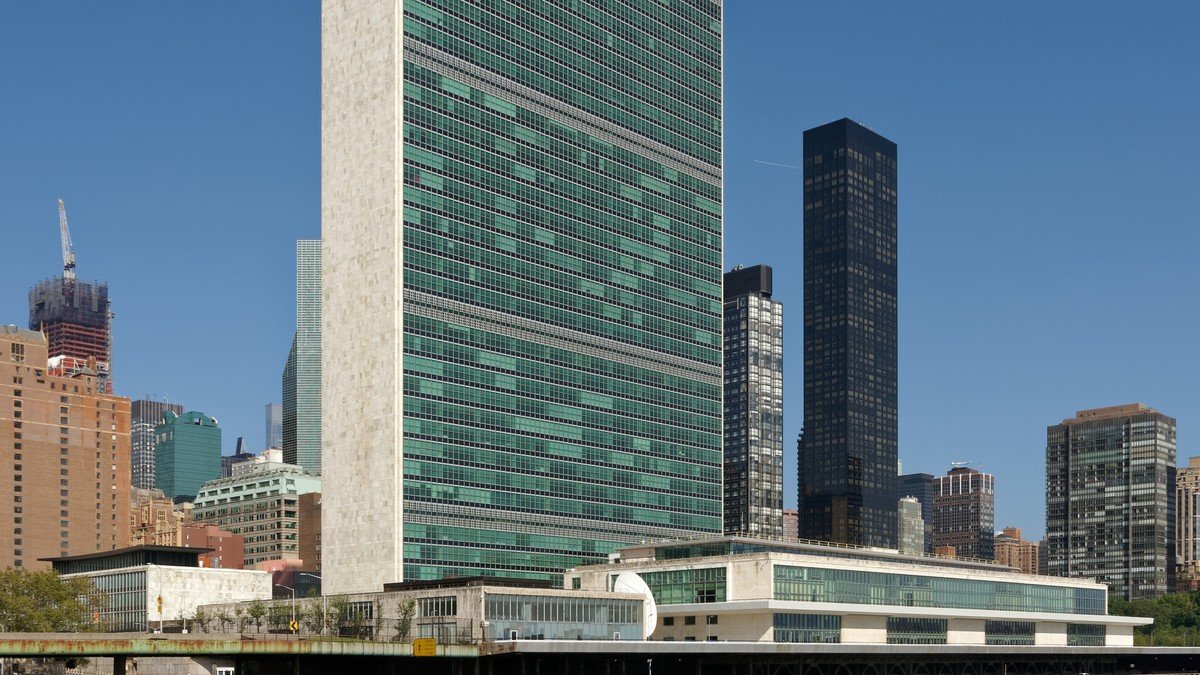
The United States, France, and an influential coalition of ten international partners on September 24, 2026, formally tabled an emergency proposal calling for an immediate 21-day temporary ceasefire across the Israel-Lebanon border. Formulated during intense diplomatic deliberations on the sidelines of the 79th United Nations General Assembly in New York, the initiative seeks to halt rapidly escalating aerial bombardments and prevent an imminent Israeli ground invasion into southern Lebanon.
The joint proposal was co-signed by the United States, France, the European Union, Germany, Italy, Japan, Canada, Australia, Saudi Arabia, the United Arab Emirates, and Qatar. It urges the governments of Israel and Lebanon to endorse a three-week cessation of hostilities along the UN-demarcated Blue Line to enable comprehensive diplomatic talks.
Intensive Multilateral Diplomacy on the Sidelines of UNGA 79
Hostilities have spiked drastically over recent days, with Israeli airstrikes targeting southern Lebanon, the Bekaa Valley, and southern Beirut suburbs, resulting in more than 600 fatalities and displacing over 100,000 civilians. Concurrently, Hezbollah has launched salvos of rockets and ballistic missiles deep into northern Israel, triggering air-raid sirens across Haifa and Tel Aviv.
Western and Arab mediators intend to utilize the proposed 21-day pause to negotiate a sustainable political settlement anchored in full implementation of United Nations Security Council Resolution 1701, which ended the 2006 war by mandating Hezbollah's withdrawal north of the Litani River and the exclusive deployment of the Lebanese Armed Forces and UNIFIL peacekeepers in southern Lebanon.
“The situation between Lebanon and Israel since October 8 is intolerable and presents an unacceptable risk of a broader regional escalation. We call for an immediate 21-day ceasefire to allow diplomacy to succeed.”
Reviving Resolution 1701 and Preventing a Wider Regional Conflagration
US President Joe Biden and French President Emmanuel Macron released a synchronized statement affirming that their respective national security teams have coordinated directly with Israeli Prime Minister Benjamin Netanyahu and Lebanese caretaker Prime Minister Najib Mikati to advance the framework.
International observers view the proposal as the most coordinated multilateral effort yet to avert a catastrophic regional war that could draw in regional powers, though durable enforcement hinges on binding commitments from both the Israeli military cabinet and Hezbollah leadership.


Comments (0)
Log in to join the discussion.