

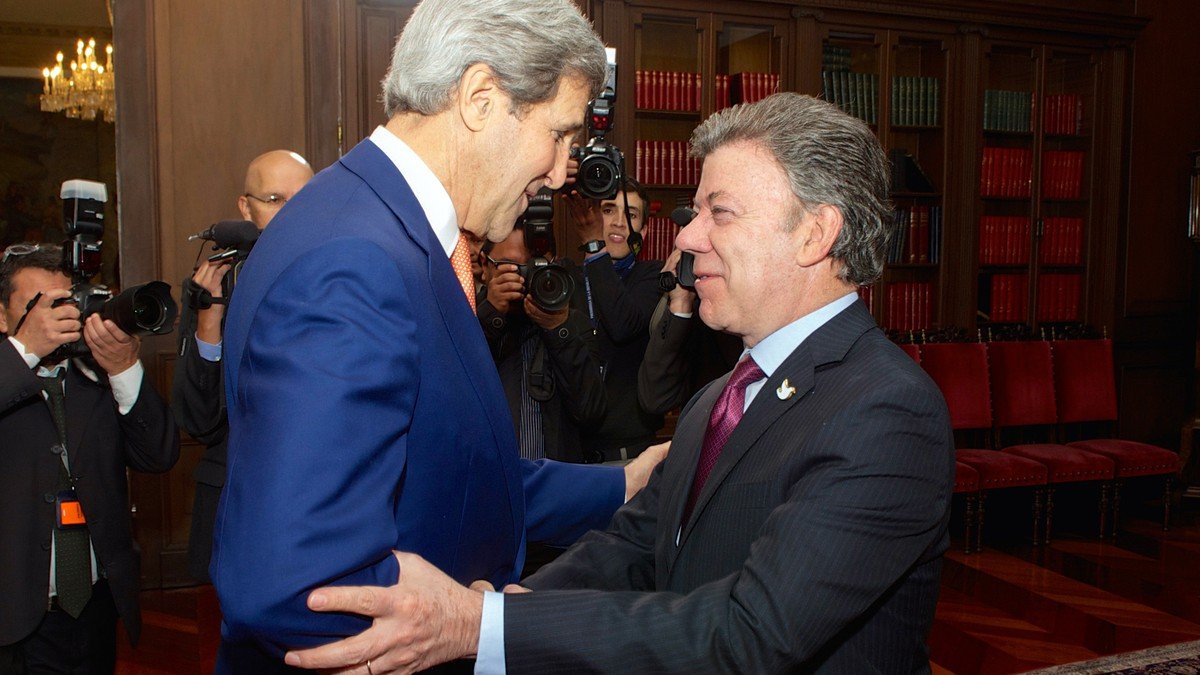
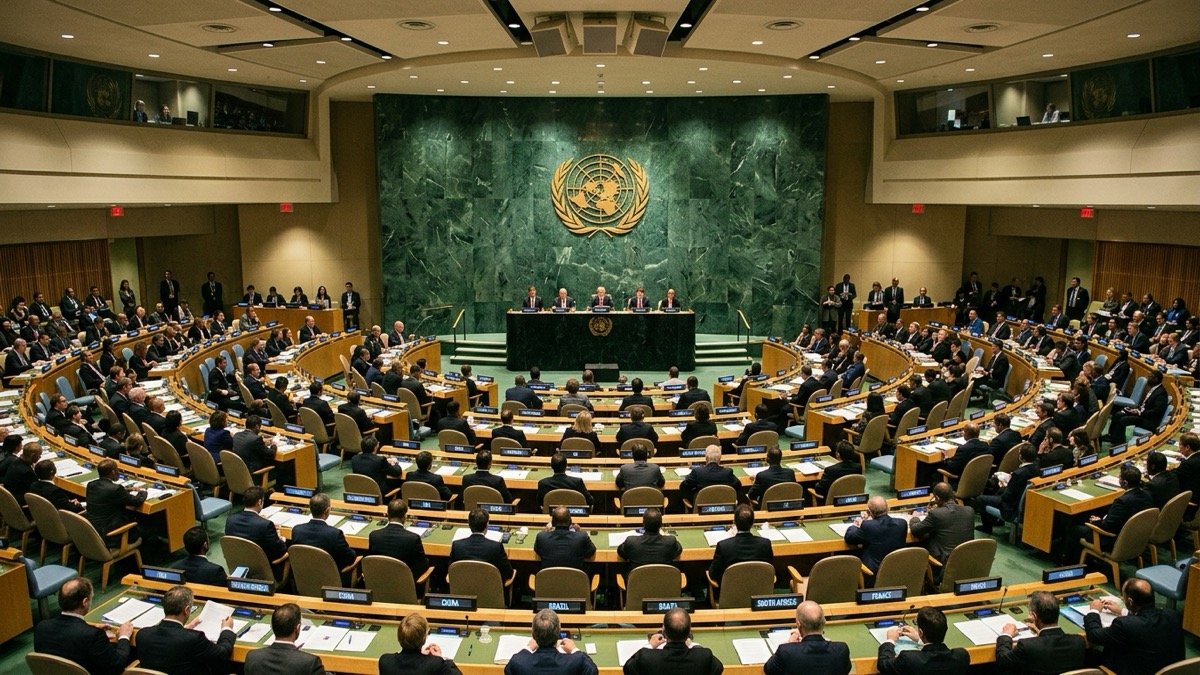
Colombian President Gustavo Petro delivered an impassioned keynote address before the United Nations General Assembly in New York on September 24, 2026, challenging world leaders and multilateral financial institutions to dismantle an economic order he argued is driving the biosphere toward catastrophic collapse. Speaking from the green-marbled rostrum of the UNGA hall, Petro framed humanity's struggle against climate change not as a technical dilemma, but as an existential conflict between global capital accumulation and planetary survival.
Central to Petro's diplomatic offensive was a sweeping proposal to restructure sovereign debt across the developing world. The Colombian head of state urged the International Monetary Fund (IMF) and the World Bank to institutionalize broad-based debt-for-climate action swaps, allowing heavily indebted nations in Latin America, Africa, and Asia to reduce sovereign debt obligations in exchange for legally binding domestic investments in decarbonization, ecological restoration, and rainforest protection.
Restructuring Global Debt to Fund Amazonian and Planetary Preservation
Addressing the assembly of heads of state, Petro directed fierce criticism at industrialized nations and transnational fossil fuel conglomerates, accusing them of perpetuating carbon addiction while ignoring the irreversible degradation of vital ecosystems. Under Petro's administration, Colombia has taken the unprecedented step among major South American hydrocarbon producers of halting all new oil and gas exploration contracts, a policy he implored wealthier consuming nations to mirror.
The Colombian leader highlighted the existential importance of the Amazon rainforest, describing it as one of the planet's primary climatic lungs whose destruction threatens global weather systems and biodiversity. Petro tied his New York appeal directly to Colombia's role as host of the upcoming COP16 United Nations Biodiversity Conference in Cali, where developing countries plan to demand concrete climate finance mechanisms rather than non-binding pledges.
“The power to destroy our planet rests in the hands of global capital, but the power to save life on Earth requires transforming debt into real climate investment. We must choose life over financial greed.”
Phasing Out Fossil Fuels Ahead of COP16 in Cali and Global Reactions
The speech elicited a polarized response among delegates and international observers. Representatives from across the Global South and environmental organizations praised Petro's forthright critique of orthodox debt servicing models, which frequently force impoverished governments to prioritize creditor repayments over climate resilience spending. Conversely, representatives from major financial centers and credit rating agencies expressed skepticism regarding the feasibility and market risks of wide-scale debt cancellations.
Back in Bogotá, conservative and business opposition groups criticized the president's confrontational tone, warning that freezing extractive concessions could weaken fiscal revenues and sovereign creditworthiness. Petro nonetheless remained resolute, asserting that standard economic formulas are obsolete in an era of planetary emergency. His UNGA intervention solidifies Colombia's ambition to position itself as a vocal standard-bearer for progressive climate diplomacy ahead of critical multilateral summits.
Comments (0)
Log in to join the discussion.