

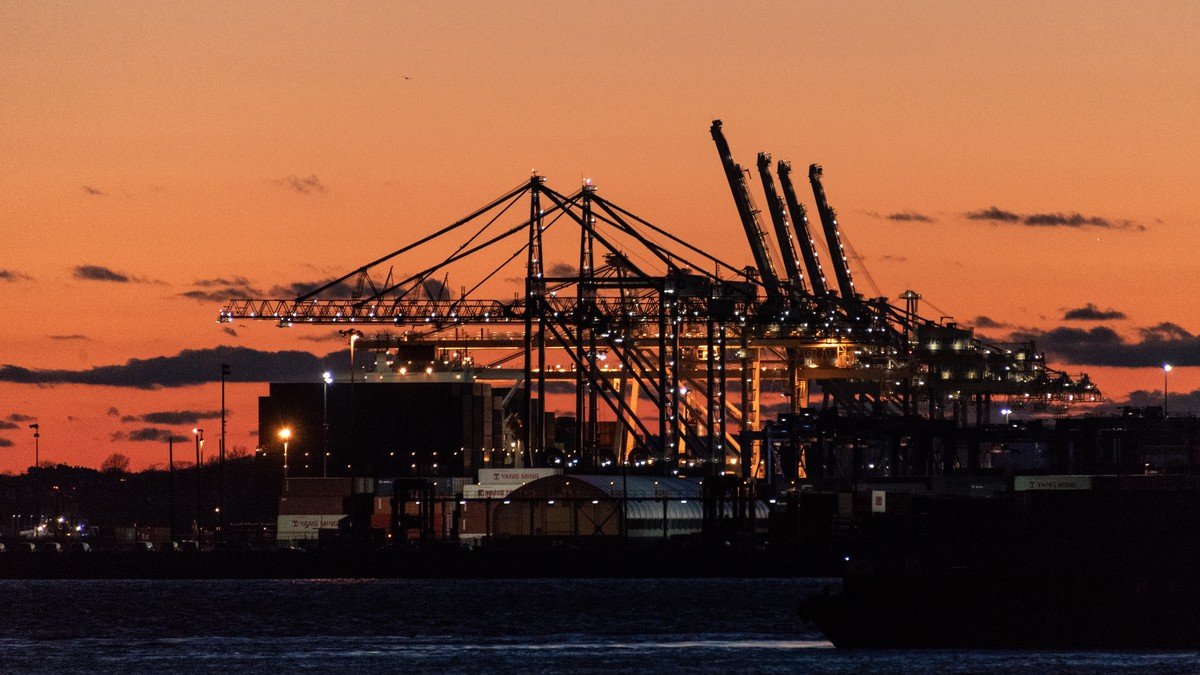
More than 45,000 dockworkers represented by the International Longshoremen's Association (ILA) prepared to strike across 36 major ocean ports from Maine to Texas on Monday night. The impending labor action follows the expiration of their six-year master contract with the United States Maritime Alliance (USMX), which represents ocean container carriers and port terminal operators.
The walkout marks the union's first coastwide strike since 1977, threatening to paralyze maritime trade along the Atlantic and Gulf coasts. Affected hubs include vital national gateways such as the Port of New York and New Jersey, Savannah, Houston, Norfolk, and Charleston, through which approximately half of all United States containerized imports and exports flow.
Core Disputes Over Wage Demands and Terminal Automation
Contract negotiations broke down primarily over compensation and safeguards against automated machinery. The ILA is seeking substantial wage increases across the six-year agreement to offset inflation and reflect record carrier profits accumulated during the pandemic. Union leadership has also demanded strict contractual prohibitions against semi-automated and fully automated cargo-handling equipment.
USMX countered with revised pay proposals, but union officials rejected the offers as inadequate given the soaring cost of living and the critical contributions of dockside labor. With picket lines assembling outside terminal gates, commercial shipping vessels anchored offshore or diverted toward western routes to avoid stranded containers.
“We are prepared to fight as long as necessary to get the wages and protections against automation our members earned through decades of dedicated service.” — Harold J. Daggett, International President of the International Longshoremen's Association
Supply Chain Consequences and Looming Economic Fallout
Economists estimate that a protracted shutdown could cost the United States economy upwards of four billion dollars per day. Critical supply chains—including automobiles, perishable agricultural goods, consumer electronics, and holiday retail merchandise—face immediate bottlenecks, raising the specter of renewed inflationary pressure.
Business coalitions and industry trade groups have appealed to the White House to invoke the Taft-Hartley Act to enforce an 80-day cooling-off period. However, administration officials indicated a reluctance to intervene directly in collective bargaining, urging both parties to remain at the negotiating table until an equitable settlement is reached.
Frequently Asked Questions
How many ports and workers are affected by the ILA strike?
The strike affects roughly 45,000 union dockworkers operating across 36 commercial ports spanning the US East and Gulf Coasts.
What are the primary sticking points in contract negotiations?
The dispute centers on wage increases to compensate for inflation and strong contractual protections against terminal automation.



Comments (0)
Log in to join the discussion.