

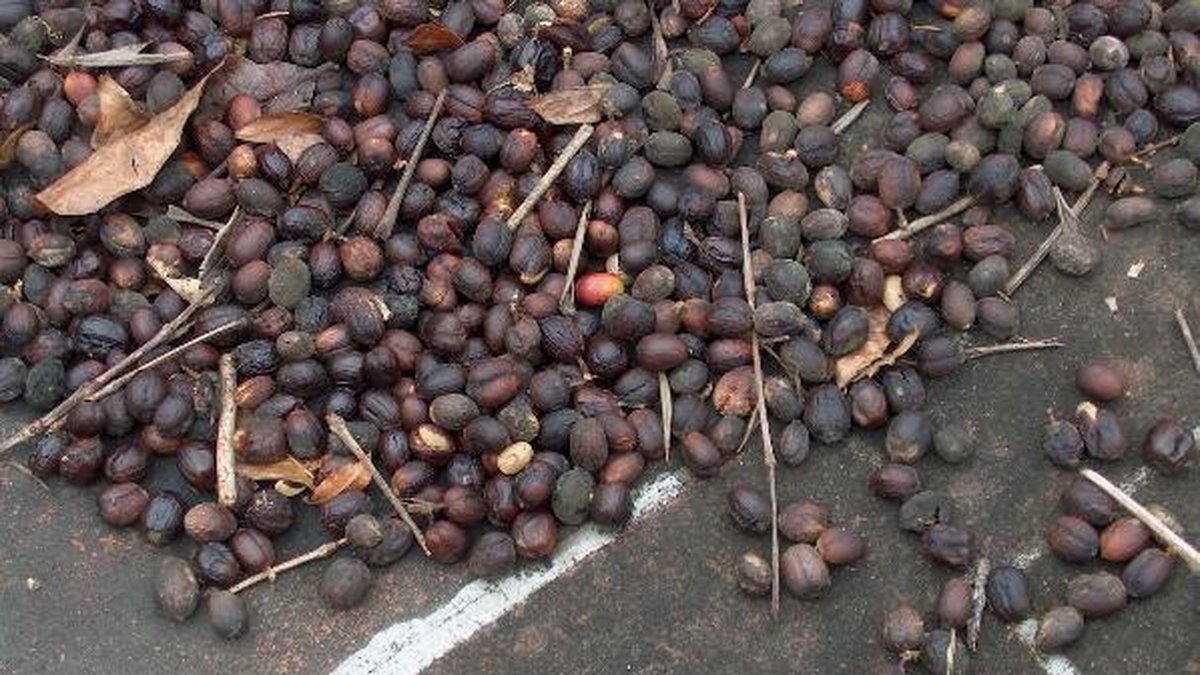
Global coffee futures traded on the Intercontinental Exchange (ICE) in New York and London have surged to multi-year highs, driven by worsening drought conditions across Brazil's premier agricultural regions. Benchmark Arabica contracts breached 260 cents per pound, reaching price levels unseen since the historic commodity rally of 2011.
In Brazil's south-central coffee heartland, particularly across the state of Minas Gerais and the Mogiana region of São Paulo, growers have endured months of below-average rainfall coupled with record-breaking temperatures. Agronomists warn that persistent soil moisture deficits during the vital flowering phase could severely curtail the 2025–2026 harvest volume.
Severe Moisture Deficits in Minas Gerais and ICE Futures Rally
Coffee cherries require steady precipitation following initial spring flowering to set fruit properly. Instead, satellite vegetation monitoring demonstrates severe moisture stress across vast plantation belts, leading to premature leaf shedding and dried blossom clusters on mature Arabica trees.
Compounding the crisis in South America, Robusta supply chains in Southeast Asia face concurrent meteorological disruptions. In Vietnam, the planet's largest supplier of Robusta beans used in espresso blends and instant granules, early-season droughts were followed by disruptive typhoon rains, delaying harvesting operations.
“Prolonged heat and moisture deficits in Brazil during the critical flowering phase have created unprecedented supply uncertainties across the global coffee market.” — International Coffee Organization (ICO)
Supply Pressures From Vietnam and Rising Costs for Global Roasters
According to monthly trade assessments released by the International Coffee Organization, certified exchange inventories have shrunk to critically low buffers. Commercial traders and hedge funds have accelerated speculative buying, anticipating that global demand will significantly outstrip export availability over the next twelve months.
International roasting conglomerates, including Nestlé, JDE Peet's, and Italian specialty roasters, have signaled unavoidable wholesale price adjustments. Commodity analysts predict that retail consumers worldwide will encounter noticeably higher supermarket shelf prices for roasted ground beans and cafe espresso beverages.
Frequently Asked Questions
Why are global coffee prices surging to multi-year highs?
Prices are surging due to severe drought in Brazil's Minas Gerais region and climate disruptions in Vietnam.
Which coffee varieties are affected by the current price rally?
Both Arabica coffee futures in New York and Robusta coffee contracts in London have surged.
Comments (0)
Log in to join the discussion.