

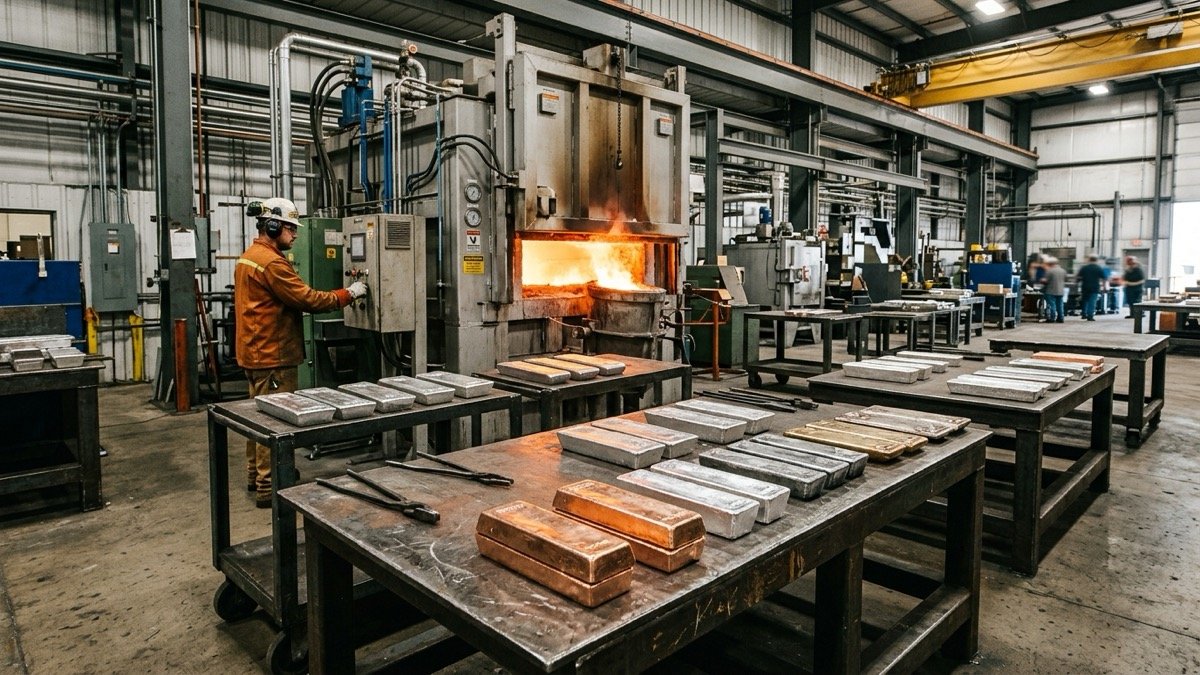
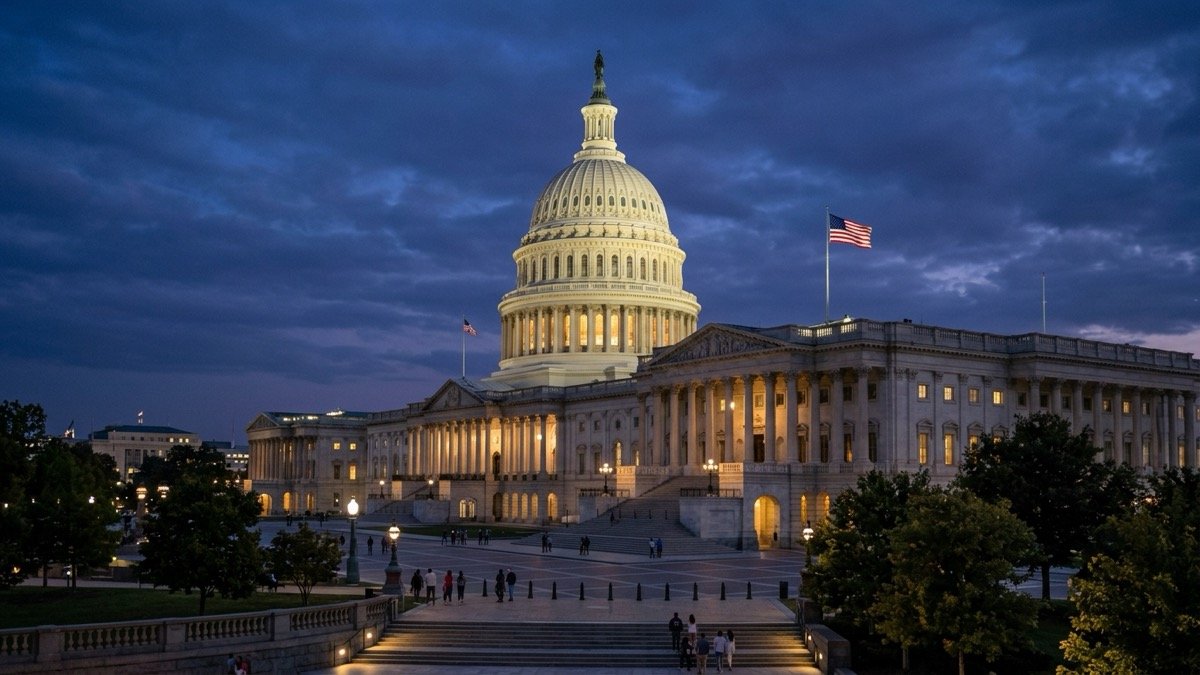
The United States Department of Energy (DOE) today enacted a decisive policy action to strengthen American clean energy supply chains, issuing an executive directive that allows national laboratories and federal reserve sites to sell surplus high-purity critical minerals directly to commercial fabricators.
Under the new program managed by the Office of Manufacturing and Energy Supply Chains (MESC), certified domestic producers of electric vehicle batteries, high-efficiency wind generators, and advanced aerospace semiconductors will gain priority access to strategic stockpiles of dysprosium, terbium, battery-grade cobalt, and refined lithium carbonate.
De-risking Clean Tech Manufacturing from Geopolitical Chokepoints
The transfer program releases mineral inventories accumulated across national research sites and decommissioned federal energy projects over the past two decades. The initial tranche comprises an estimated 1,400 metric tons of refined battery and magnet precursors.
Recipients must certify that all materials will undergo secondary processing or assembly strictly within the United States or allied partner nations, barring any re-export to non-aligned entities.
“By moving idle critical minerals from government vaults directly onto American factory floors, we are reducing supply chain vulnerabilities and accelerating our clean industrial renaissance.”
Direct Catalyst for Domestic Gigafactories
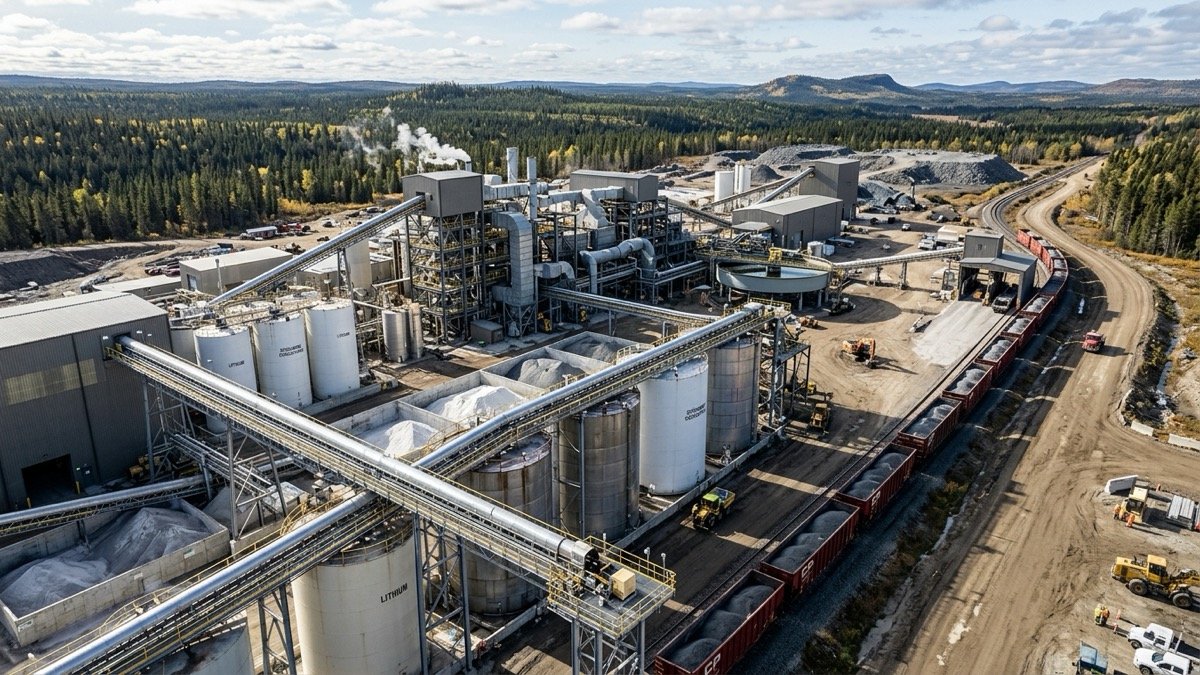
Domestic battery manufacturers in the American Midwest and Southeast welcomed the announcement, noting that access to certified domestic lithium and cobalt will help satisfy Inflation Reduction Act domestic content standards.
The DOE confirmed that revenue generated from the mineral transfers will be reinvested into advanced recycling technologies and hydrometallurgical extraction research at the National Energy Technology Laboratory.

Comments (0)
Log in to join the discussion.