

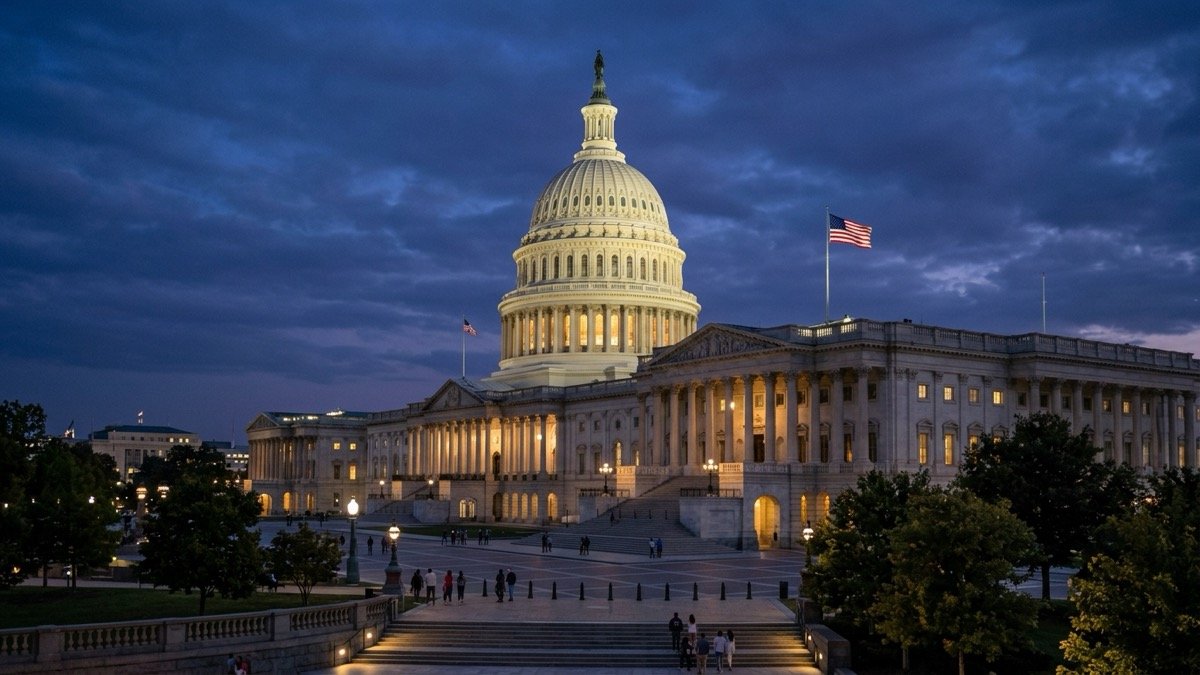
In a rare and emphatic demonstration of cross-aisle cooperation on national security, the United States House of Representatives today passed the Foreign Service Modernization Act by an overwhelming vote of 341 to 78. The measure represents the most comprehensive legislative update to American diplomatic career architecture since the Foreign Service Act of 1980.
Co-sponsored by House Foreign Affairs Committee Chairman Michael McCaul and Ranking Member Gregory Meeks, the bill modernizes the State Department's technological capabilities, replaces legacy telecommunications infrastructure at over 270 overseas posts, and establishes streamlined recruitment pipelines for specialized cyber and AI diplomats.
Investing $1.2 Billion in Modern Diplomatic Readiness
The legislation authorizes $1.2 billion in dedicated funding over three fiscal years. A cornerstone provision allocates $450 million for next-generation sovereign encrypted communication systems to counter electronic espionage targeting American embassies and consulates worldwide.
The bill also revamps family support systems for foreign service personnel, adjusting hardship stipends for diplomats serving in non-permissive geopolitical environments and establishing mental health resources tailored to personnel stationed in conflict zones.
“Diplomacy is America's first line of defense. We cannot expect our diplomats to compete against adversary coercion using 20th-century technology and outdated administrative structures.”
Smooth Path Expected in the United States Senate
Senate Foreign Relations Committee leaders Ben Cardin and Jim Risch issued a joint statement welcoming the House vote, signaling that companion legislation will be fast-tracked to the Senate floor before the close of the current legislative session.
The State Department praised the bill's passage, noting that reformed hiring authorities will cut the onboarding timeline for incoming foreign service officers from two years to under nine months.


Comments (0)
Log in to join the discussion.