

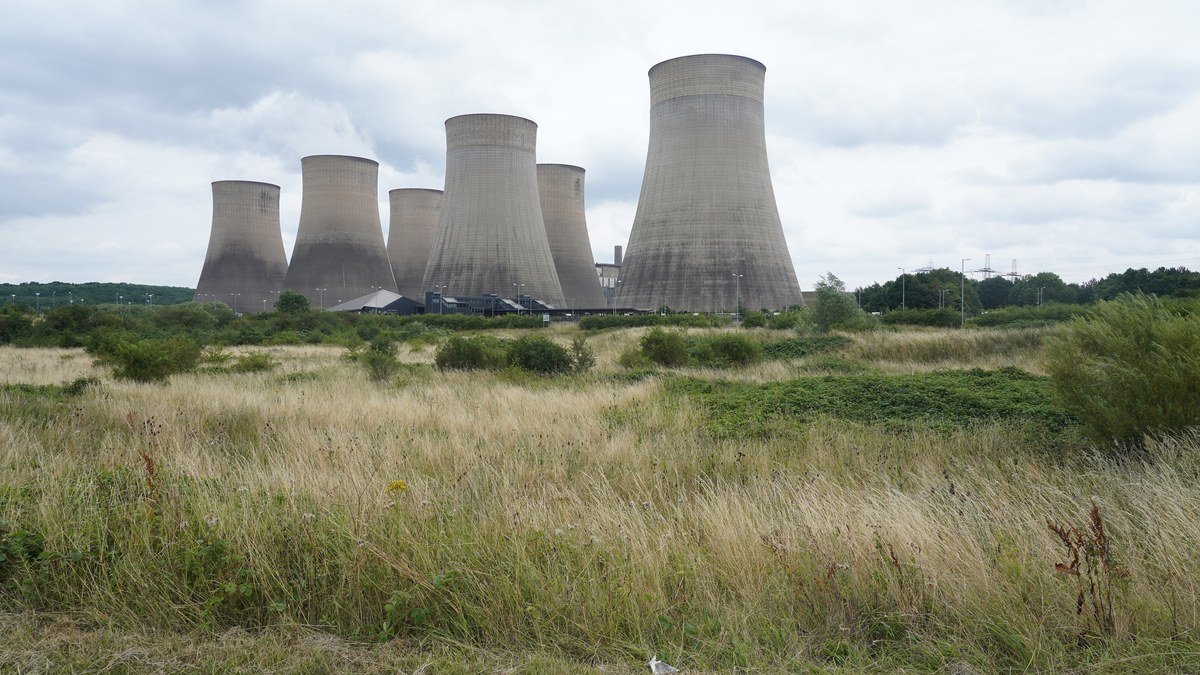
The United Kingdom is entering the final hours of its 142-year reliance on coal-fired electricity as engineers at Uniper's 2-gigawatt Ratcliffe-on-Soar power station in Nottinghamshire burn through the facility's remaining fuel reserves ahead of its permanent decommissioning on September 30. Commissioned in 1968 and capable of powering two million homes, the landmark station with its eight towering concrete cooling towers is the last operational coal plant in Great Britain.
Its closure marks a historic global energy milestone, making the UK the first member of the Group of Seven (G7) industrialized nations to completely eliminate coal from its electricity supply. Britain was the birthplace of coal-fired power when inventor Thomas Edison opened the world's first public steam-driven coal power station at Holborn Viaduct in London in January 1882, fueling more than a century of industrial expansion.
Ending a 142-Year Legacy Since Edison's Holborn Viaduct Plant
For decades, coal formed the backbone of the British power grid, generating roughly 80% of the nation's electricity in the early 1980s and still accounting for nearly 40% as recently as 2012. A combination of carbon pricing introduced in 2013, stricter pollution standards, and rapid deployment of offshore wind and solar photovoltaic capacity drove a dramatic decline in coal burn over the past decade without compromising grid reliability.
Renewable energy sources—led by offshore wind farms in the North Sea, solar installations, biomass, and hydroelectricity—now generate more than half of Britain's electricity, supplemented by natural gas and nuclear power. Uniper confirmed that the majority of Ratcliffe's 170 permanent staff will remain on site over a two-year decommissioning process or transfer to clean energy roles across the company.
“Closing the chapter on 142 years of coal power at Ratcliffe-on-Soar is a monumental achievement for British workers and a defining milestone in the global transition to clean energy.”
Grid Transformation and Zero-Carbon Redevelopment Plans
The 270-hectare Nottinghamshire site is slated to be redeveloped into a Zero Carbon Technology and Energy Hub in partnership with regional authorities and East Midlands Freeport. Proposed future uses include green hydrogen production, battery energy storage systems, and advanced low-carbon manufacturing facilities taking advantage of the site's high-voltage grid connections and rail links.
Energy analysts note that Britain's rapid exit from coal serves as a blueprint for other G7 nations—which collectively pledged earlier this year to phase out unabated coal power by 2035. With coal eliminated, the UK government's next challenge is achieving its target of a fully decarbonized electricity grid by 2030 through accelerated grid upgrades and offshore wind auctions.



Comments (0)
Log in to join the discussion.