

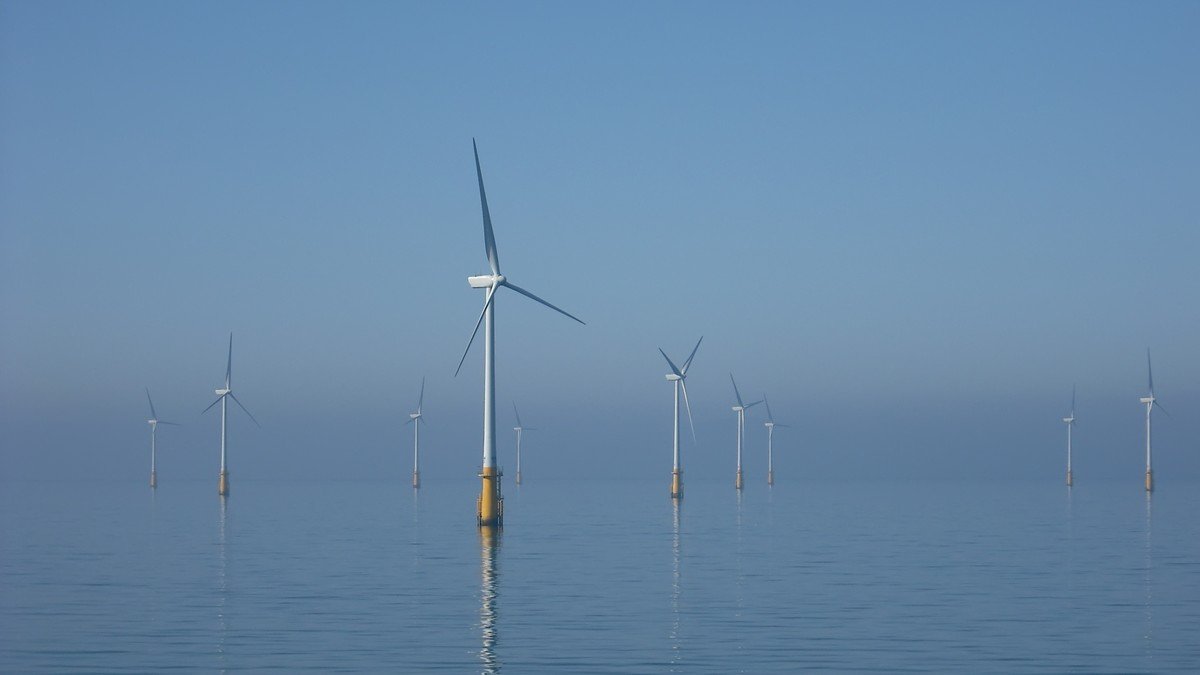
The UK Department for Energy Security and Net Zero has officially initiated a comprehensive public consultation on planning reforms and electricity grid modernization, setting out the policy blueprint to achieve a decarbonised power system by 2030. The initiative represents a core pillar of the Labour government's flagship mission to make Britain a clean energy superpower while safeguarding domestic energy independence.
Under the proposals outlined in the consultation document, ministers seek to overhaul legacy town and country planning frameworks to expedite approvals for nationally significant energy infrastructure. The government's roadmap targets doubling onshore wind capacity to 30 gigawatts, tripling solar generation to 50 gigawatts, and quadrupling offshore wind deployment to 60 gigawatts within the next six years.
Dismantling Planning Bottlenecks and Grid Queues
A pivotal focus of the consultation addresses the persistent bottleneck in transmission connections. Currently, viable renewable energy developments often face grid connection waiting times stretching well past a decade due to speculative applications clogging the queue. Working alongside the National Energy System Operator (NESO), the government proposes a 'first-ready, first-connected' rule to purge stalled projects.
The consultation also solicits feedback on community benefit packages designed to secure local consent for high-voltage overhead lines and substations. Communities hosting new energy transmission corridors will be offered direct discounts on domestic electricity bills, alongside funding for regional recreational, biodiversity, and educational initiatives.
“Clean power by 2030 is the greatest economic opportunity of our time. We are sweeping away planning barriers to unlock private investment and secure energy sovereignty.”
National Wealth and Economic Resilience in the Energy Shift
Industry bodies, including RenewableUK and the Energy Networks Association, welcomed the consultation, emphasizing that private capital stands ready to invest tens of billions of pounds into British clean power if consenting and grid access can be streamlined. However, opposition lawmakers and conservation groups raised concerns regarding landscape preservation and agricultural land usage.
The eight-week statutory consultation period will conclude in late autumn, paving the way for updated National Policy Statements and dedicated planning legislation to be laid before Parliament early next year. Ministers maintain that achieving clean power by 2030 is essential to shield British households from volatile international fossil fuel markets.


Comments (0)
Log in to join the discussion.