

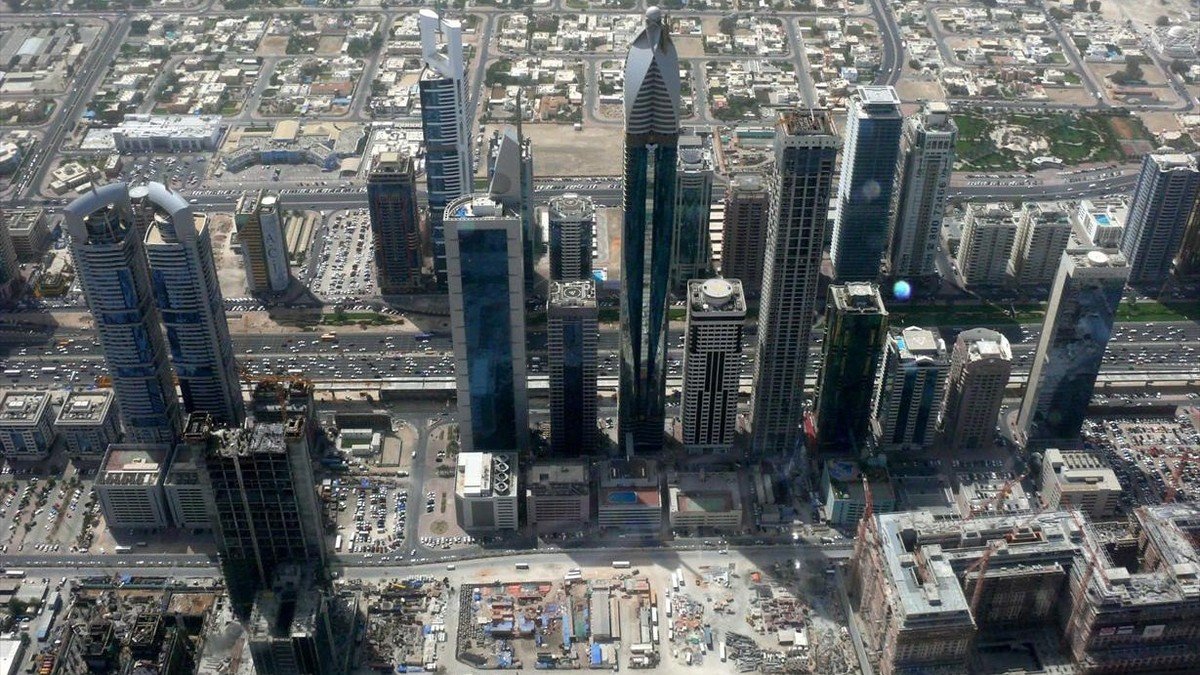
The Central Bank of the United Arab Emirates (CBUAE) released its comprehensive Quarterly Economic Review on September 22, 2026, projecting that the nation's non-oil gross domestic product will expand by 5.4% in 2026. This upward momentum underscores the structural transformation of the Gulf nation's economy, which has systematically decoupled headline growth from crude oil price volatility through strategic industrial and services investments.
According to the monetary authority's assessment, non-hydrocarbon sectors are demonstrating extraordinary resilience, supported by rapid institutional adoption of Comprehensive Economic Partnership Agreements (CEPAs) signed with major trading partners across Asia, Africa, and Latin America. Total non-oil foreign trade approached historic highs during the first half of the year, bolstered by high-value re-exports, transshipment logistics, and wholesale commerce.
Financial Services and Bilateral Trade Drive Economic Diversification
Tourism, aviation, and hospitality sectors also posted double-digit expansion, reinforcing Dubai and Abu Dhabi as premier international business and leisure hubs. Airport passenger traffic surpassed pre-pandemic benchmarks across all national carriers, while hotel occupancy rates across the seven Emirates averaged over 80%, providing strong cash flows across retail and real estate ecosystems.
Manufacturing and advanced construction activities contributed significantly to the economic forecast. Federal industrial acceleration initiatives under 'Operation 300bn' have channeled institutional financing toward domestic manufacturing, specialized pharmaceuticals, clean energy components, and sustainable building materials, attracting unprecedented levels of greenfield foreign direct investment (FDI).
“The UAE's macroeconomic resilience stems from deliberate economic diversification, deep capital buffers in our banking system, and transformative trade corridors that anchor global enterprise in the Emirates.”
Resilient Banking Indicators and Sustained Credit Demand
The CBUAE report highlighted the pristine health of the UAE banking sector, with aggregate bank assets climbing past AED 4.3 trillion ($1.17 trillion). Commercial lending to private corporations and small-to-medium enterprises grew at a healthy 6.8% annualized rate, while gross non-performing loans dropped to multi-year lows of 4.9%, reflecting conservative provisioning and robust underwriting standards.
With average capital adequacy ratios standing securely at 17.6%—far above Basel III regulatory minimums—and liquid assets accounting for nearly a fifth of total banking assets, the financial system maintains ample capacity to finance multi-billion-dollar infrastructure developments. As voluntary OPEC+ crude quotas constrain oil sector output, the non-oil economy remains the undisputed engine of sovereign prosperity.

Comments (0)
Log in to join the discussion.