

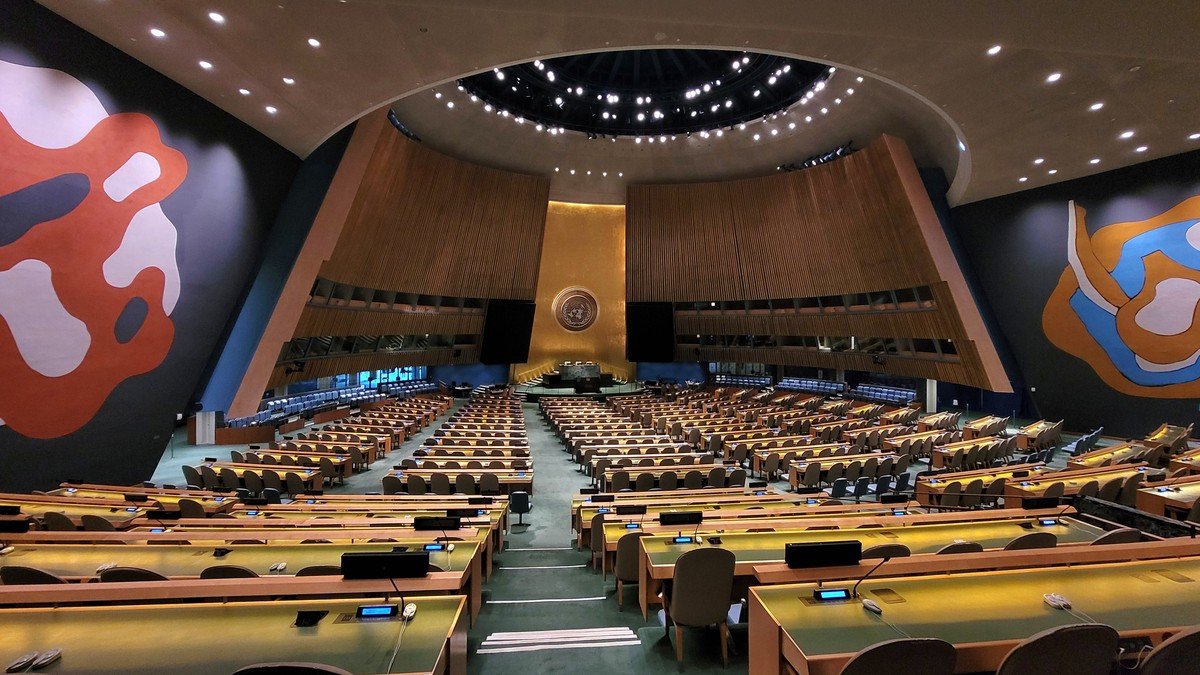
On the sidelines of the 79th Session of the United Nations General Assembly in New York, the Kingdom of Saudi Arabia formally launched the 'Global Alliance for the Implementation of the Two-State Solution.' The landmark diplomatic coalition, unveiled by Saudi Foreign Minister Prince Faisal bin Farhan Al Saud during a high-level ministerial gathering, unites member states from the Arab League, the Organisation of Islamic Cooperation (OIC), and the European Union in a renewed collective push to end decades of conflict.
Addressing international delegates, Prince Faisal highlighted the catastrophic humanitarian toll of ongoing warfare in Gaza and escalating violence in the occupied West Bank. He emphasized that regional integration and lasting security for all Middle Eastern nations remain unattainable without directly addressing the legitimate national rights of the Palestinian people through an internationally recognized independent state based on 1967 borders.
Building Multilateral Momentum for Palestinian Self-Determination
The alliance represents a decisive pivot from traditional rhetoric toward actionable multilateral mechanisms. Co-organized with Norway and the European Union, the coalition aims to mobilize tangible diplomatic pressure, coordinate legal recognition efforts, and coordinate financial and structural support for the Palestinian Authority to govern both the West Bank and post-war Gaza effectively.
Several European foreign ministers, including representatives from Spain, Norway, and Ireland—nations that formally recognized the State of Palestine earlier in the year—reaffirmed their steadfast backing for the Saudi-led framework, noting that a negotiated two-state paradigm offers the sole viable architecture for regional peace.
“We are launching today a global alliance to implement the two-state solution. We must break the cycle of violence and establish an irreversible pathway toward an independent Palestinian state.”
Operationalizing the Alliance Through High-Level Diplomatic Tracks
Under the agreed operational timetable, the alliance will convene its first substantive working sessions in Riyadh, followed by follow-up summits in Brussels and other participating capitals. Working groups will focus on legal frameworks, international recognition milestones, security arrangements, and reconstruction blueprints.
The initiative reinforces Riyadh's central diplomatic leadership in global affairs, signaling that any normalization of regional relations must be contingent upon genuine, irreversible progress toward Palestinian sovereignty and enduring stability across the Middle East.
Comments (0)
Log in to join the discussion.