

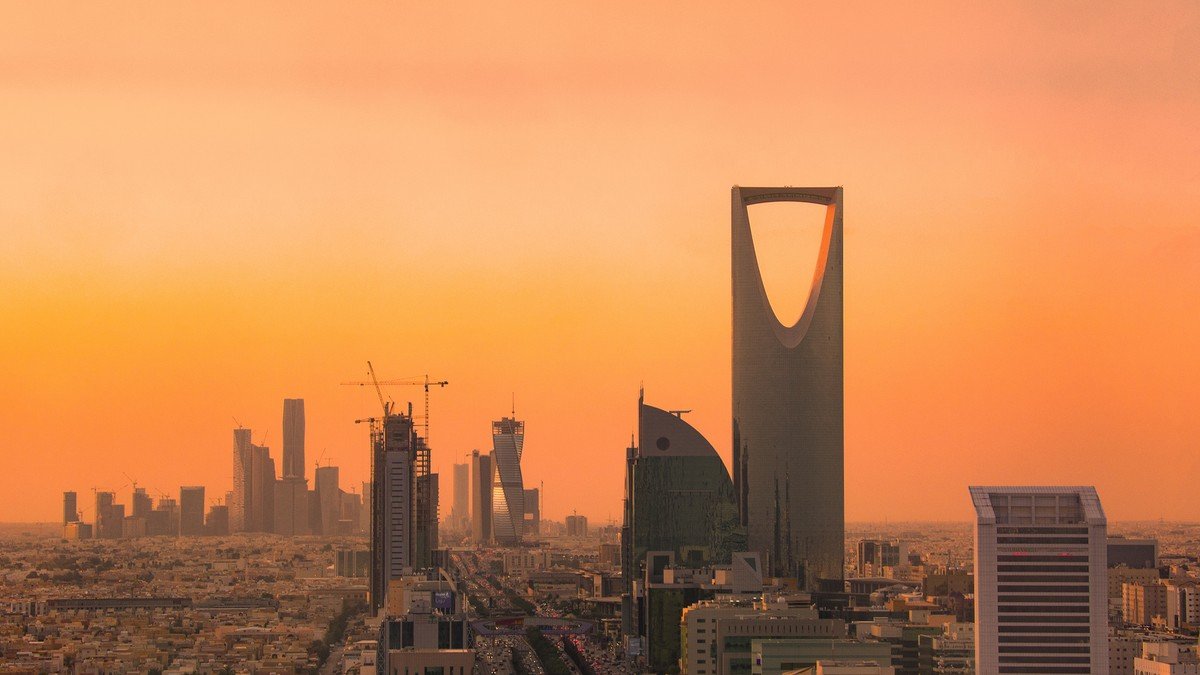
The Kingdom of Saudi Arabia officially unveiled an aggressive upward revision of its clean power goals under the Vision 2030 national transformation framework on Wednesday, setting a revised target of 130 gigawatts of installed renewable generation capacity by 2030.
Announced under the auspices of Crown Prince Mohammed bin Salman and outlined in detail by Energy Minister Prince Abdulaziz bin Salman, the plan accelerates project rollouts under the National Renewable Energy Program (NREP) and the sovereign Public Investment Fund (PIF).
Scaling Solar and Wind to Replace Domestic Liquid Fuel Burning
The expanded 130-gigawatt roadmap is designed to transform the Kingdom's domestic electricity generation mix into an equal balance of 50 percent renewables and 50 percent high-efficiency gas-fired thermal plants, completely eliminating the burning of roughly one million barrels per day of crude and heavy fuel oil in domestic utilities.
Leading regional energy developer ACWA Power, co-owned by the PIF, announced the financial closing and construction commencement for three flagship solar photovoltaic complexes totaling 5.5 gigawatts across the Makkah and Qassim provinces, bringing the cheapest solar levelized electricity costs in history.
“We are accelerating our national transformation to cement Saudi Arabia's standing as an indispensable clean energy powerhouse and the central logistics bridge connecting three continents.”
Developing Red Sea Corridors Under the Global Supply Chain Initiative
Complementing the power transition, the Saudi government inaugurated new phases of the Global Supply Chain Resilience Initiative (GSCRI). Special economic zones adjacent to King Abdullah Port and the planned King Salman International Airport in Riyadh were granted streamlined customs zones to lure international manufacturing giants.
The strategic synchronization of zero-carbon green power, green hydrogen production at NEOM, and state-of-the-art maritime logistics establishes Saudi Arabia as the pivotal transcontinental conduit linking European consumers with Asian manufacturing hubs.

Comments (0)
Log in to join the discussion.