
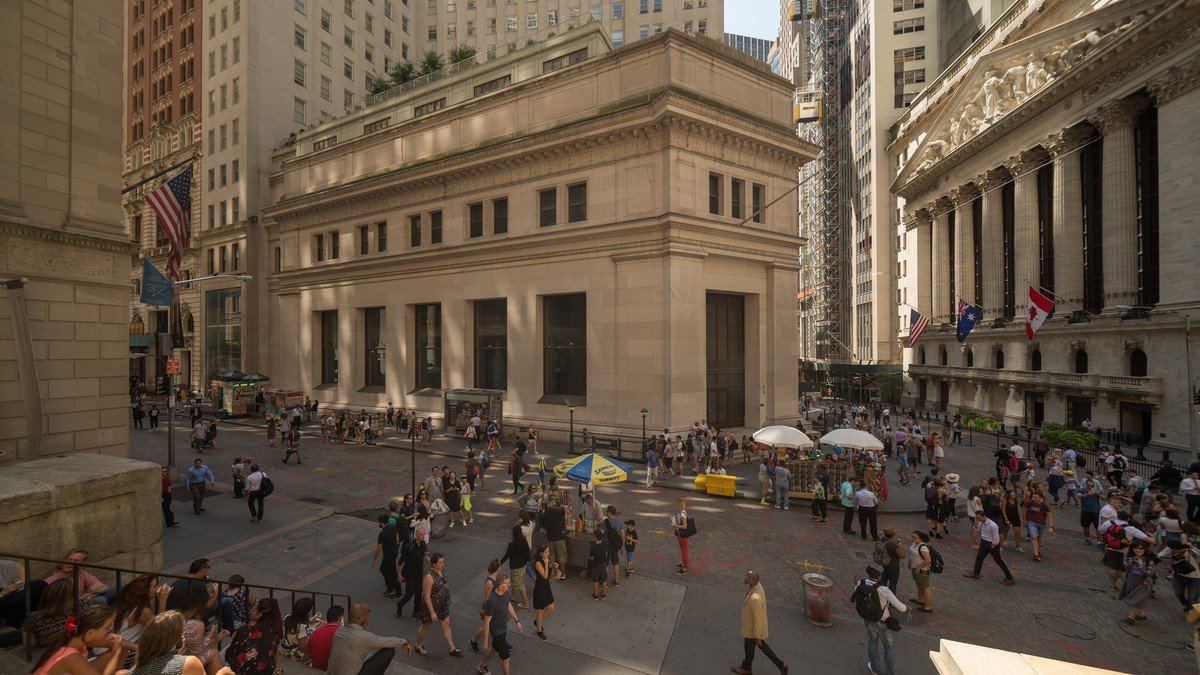
Argentine President Javier Milei rang the opening bell at the New York Stock Exchange on Monday morning, using the iconic financial platform to reaffirm his administration's uncompromising commitment to fiscal austerity, market deregulation, and the ultimate abolition of Argentina's labyrinthine currency controls.
Accompanied by Economy Minister Luis Caputo and Argentine Ambassador Gerardo Werthein, Milei addressed traders and international asset managers on the NYSE floor. The self-described anarcho-capitalist emphasized that Argentina's newly achieved fiscal surplus—the first sustained budget surplus recorded in 16 years—represents a permanent institutional transformation rather than an ephemeral accounting adjustment.
Wall Street Showcase for Libertarian Shock Therapy
During his energetic address, Milei reiterated that achieving a balanced budget remains non-negotiable regardless of political opposition or legislative roadblocks in Buenos Aires. He stressed that slashing public spending, eliminating government ministries, and shutting down state subsidies had succeeded in decelerating monthly inflation from 25.5% in December 2023 to around 4% by late summer.
However, international investors pressed the Argentine delegation on when the government plans to dismantle the restrictive foreign exchange controls, known colloquially as the 'cepo cambiario'. Milei insisted that lifting controls precipitously without resolving the central bank's remunerated liabilities would risk a hyperinflationary spiral, specifying that controls will only be scrapped once monthly inflation hits zero.
“We will not lift the currency controls in a hurry to please the markets only to suffer another financial crisis. We will lift them when inflation is zero and the central bank is fully cleaned up.”
Conditions for Dismantling the Foreign Exchange Cepo
Wall Street institutions, including JPMorgan, Goldman Sachs, and BlackRock, have acknowledged Argentina's striking fiscal turnaround while remaining cautious regarding deep domestic recession, rising poverty rates, and legislative resistance to structural privatizations. Sovereign bond yields have rallied, yet the gap between the official and parallel exchange rates continues to weigh on foreign direct investment.
Following the NYSE ceremony, Milei held bilateral meetings with US corporate leaders and attended sessions at the United Nations General Assembly. His message to international capital was unambiguous: Argentina will continue its radical economic course, relying on private enterprise rather than state intervention to restore economic sovereignty.
Comments (0)
Log in to join the discussion.