

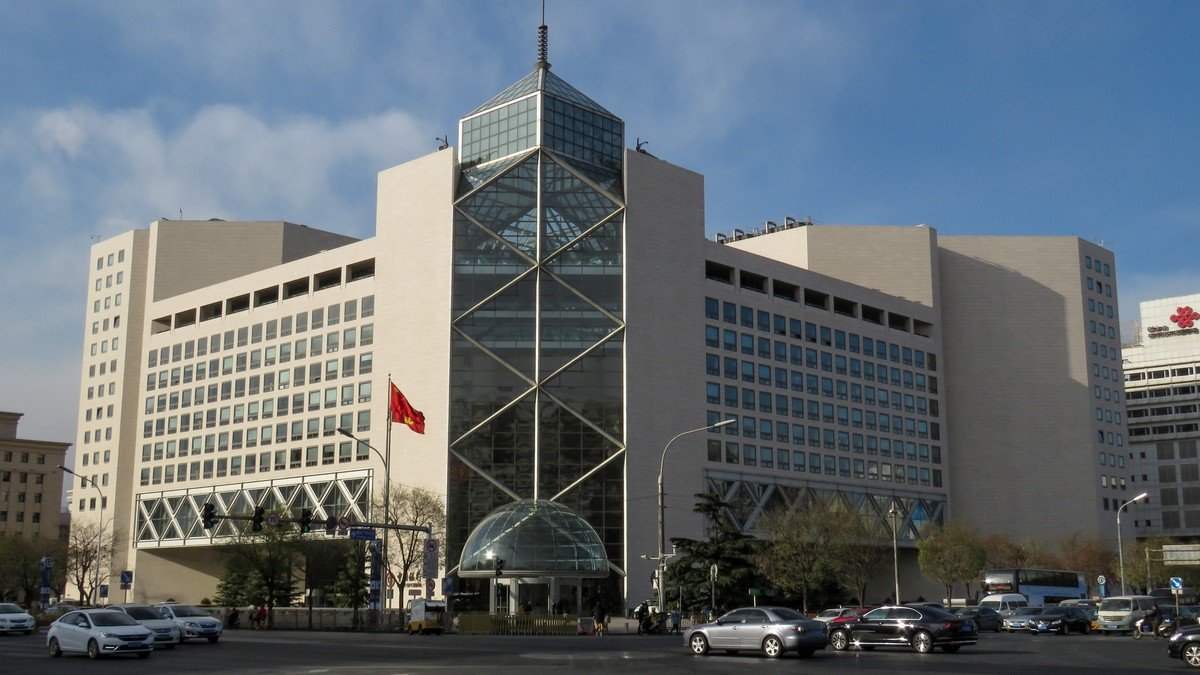
The People's Bank of China (PBOC) lowered the interest rate on its 14-day reverse repurchase agreements by 10 basis points on September 23, 2026, cutting the borrowing benchmark from 1.95% to 1.85%. Concurrently, the central bank injected 74.5 billion yuan ($10.6 billion) into the interbank banking system via the 14-day facility, alongside 160.1 billion yuan through its staple 7-day reverse repo at an unchanged 1.70%, delivering a coordinated liquidity cushion.
The move is designed to ensure ample cash liquidity across China's financial sector as commercial lenders confront heightened cash requirements for end-of-quarter regulatory checks and surging consumer cash withdrawals ahead of the week-long National Day Golden Week holiday starting October 1. By deploying the 14-day tool for the first time since February, policymakers provided banks with term financing spanning the entire public holiday period.
Holiday Cash Cushion and Alignment of Short-Term Policy Rates
Monetary economists noted that the 10-basis-point reduction was primarily a technical catch-up to bring the 14-day rate into parity with the central bank's earlier cut to the primary 7-day repo rate in July. By re-establishing a steady 15-basis-point term spread between the 7-day and 14-day windows, the PBOC is refining its modern interest rate transmission mechanism around short-term open market operations rather than the traditional Medium-term Lending Facility (MLF).
Beyond the technical adjustment, the liquidity operation is widely interpreted by international financial markets as the opening salvo of a much larger, coordinated fiscal and monetary stimulus barrage. Facing sluggish domestic consumption, ongoing property market distress, and deflationary producer prices, Beijing is under growing urgency to safeguard its annual headline gross domestic product (GDP) growth target of approximately 5.0%.
“The central bank remains determined to implement a supportive monetary policy stance, flexibly using various policy tools to maintain reasonable and ample liquidity in the banking system while guiding financing costs steadily downward.”
Prelude to Sweeping Real Estate and Banking Sector Support
Market anticipation was further electrified by the State Council Information Office's scheduling of an unscheduled joint high-level press briefing featuring PBOC Governor Pan Gongsheng, National Financial Regulatory Administration (NFRA) Minister Li Yunze, and China Securities Regulatory Commission (CSRC) Chairman Wu Qing. Analysts forecast that Governor Pan will unveil cuts to the reserve requirement ratio (RRR) of 50 basis points, lower existing home mortgage rates, and introduce targeted stock market stabilization funds.
Asian stock markets rallied strongly following the rate cut and liquidity injection, with the benchmark Shanghai Composite Index jumping 0.44% and Hong Kong's Hang Seng Index climbing over 1.2%. Ten-year Chinese sovereign bond yields nudged lower to 2.03%, reflecting investor expectations that Beijing has entered an aggressive, uninhibited phase of policy accommodation to revitalize domestic economic momentum.

Comments (0)
Log in to join the discussion.