

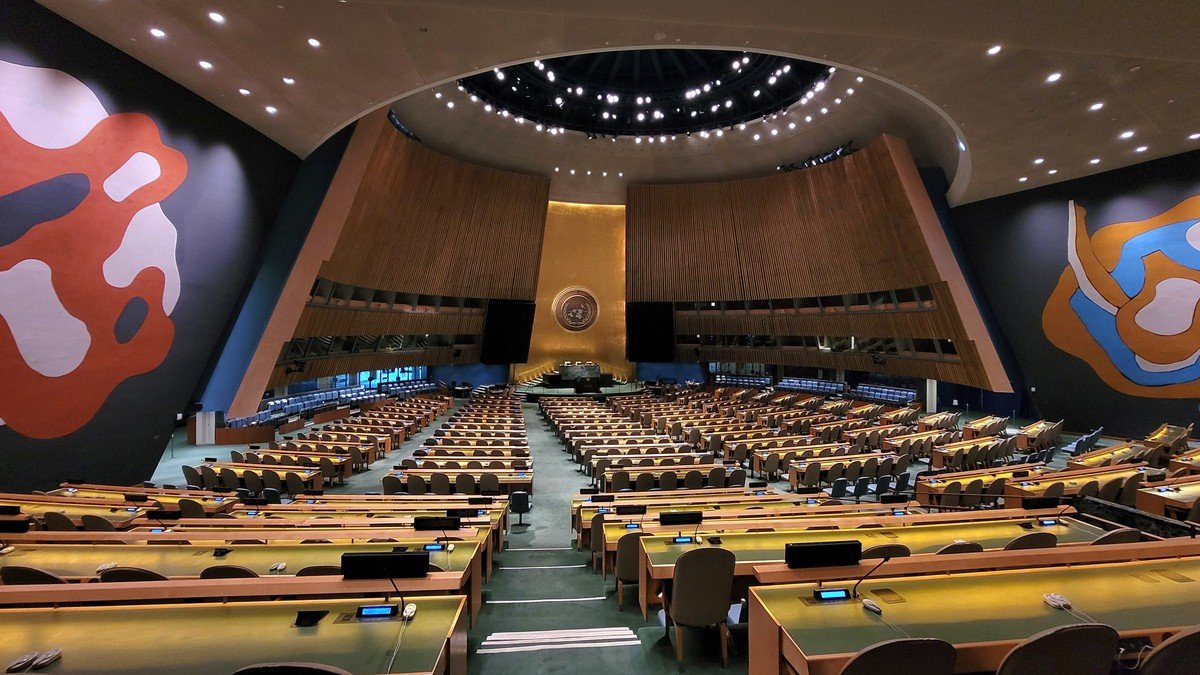
President Joe Biden stood before the green marble rostrum of the United Nations General Assembly on Tuesday for his final address to world leaders, delivering a sweeping defense of multilateralism and collective security. Marking the culmination of more than five decades in American public life, Biden used the global stage to argue that democratic partnerships remain humanity's most potent bulwark against autocratic aggression and fragmented instability.
Reflecting on historical inflection points from the Cold War to the post-pandemic era, Biden reminded delegates that seemingly intractable global divisions can be navigated when nations choose shared values over zero-sum nationalism. He emphasized that the international order established in the wake of World War II, anchored by the UN Charter, must not be discarded for unilateral cynicism or transactional diplomacy.
Defending Sovereignty in Ukraine and Averting Middle East Escalation
Turning to Europe, the American president forcefully reaffirmed Washington's unshakeable commitment to Ukraine's defense against Russia's illegal invasion. Biden asserted that Russian President Vladimir Putin's core war aims had failed, while NATO stood larger, stronger, and more unified than ever. He urged the international community not to grow weary, warning that allowing Ukraine's sovereignty to be extinguished would jeopardize the foundational principle that national borders cannot be redrawn by force.
Biden also addressed escalating crises across the Middle East, calling for an immediate ceasefire and hostage release deal between Israel and Hamas, alongside a credible pathway toward an independent Palestinian state. Amid surging hostilities along the Israel-Lebanon border, the president insisted that full-scale war is in no party's interest and that diplomatic solutions remain the only viable mechanism for restoring enduring regional security.
“Some things are more important than staying in power. It's your people. We must never forget who we are here to serve, and our collective duty to preserve democracy.”
Democracy, Peaceful Transitions, and the Purpose of Power
In a deeply personal climax to his remarks, Biden addressed his decision to withdraw from the 2024 presidential contest, framing his step back as a testament to American democratic traditions. He implored leaders worldwide to remember that elected office is a public trust rather than an entitlement, urging them to elevate the dignity and rights of citizens above individual political survival.
The valedictory address drew prolonged applause from the assembled heads of state and foreign ministers in the General Assembly hall. Diplomatic envoys praised the speech as an earnest appeal for cooperative global governance, contrasting Biden's defense of international pacts with emerging populist currents advocating retrenchment and sovereign isolationism.

Comments (0)
Log in to join the discussion.