

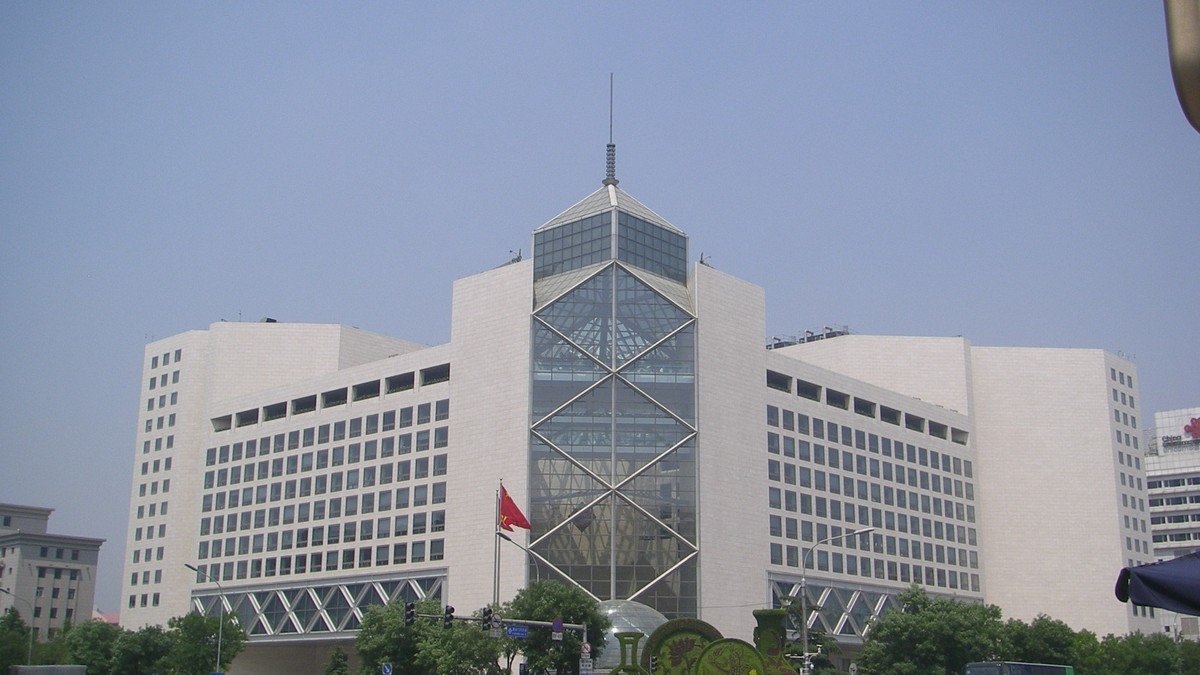
The People's Bank of China (PBOC) officially enacted its widely anticipated sweeping monetary stimulus package on Friday, putting into force a 50-basis-point reduction in the reserve requirement ratio (RRR) for financial institutions alongside an immediate 20-basis-point cut to the seven-day reverse repurchase policy rate. The coordinated regulatory maneuver unleashes approximately 1 trillion yuan ($142 billion) in long-term liquidity into the domestic banking network, marking Beijing's most aggressive monetary intervention since the pandemic era.
Under the new directives, the weighted average reserve requirement ratio for Chinese commercial banks falls from roughly 7.0% to 6.6%, freeing up substantial capital reserves that lenders can deploy toward industrial credit and small business financing. Concurrently, the PBOC lowered its benchmark seven-day reverse repo interest rate from 1.70% to 1.50%, steering short-term interbank financing costs sharply lower.
Decisive Liquidity Injection to Reinvigorate the Real Economy
Central bank governor Pan Gongsheng had outlined the comprehensive easing roadmap earlier in the week, indicating that monetary authorities would not hesitate to enact an additional 25-to-50-basis-point RRR cut later this year depending on market conditions. The rapid regulatory implementation underscores Beijing's growing urgency to hit its annual gross domestic product growth target of around 5% amid lingering deflationary pressures.
A substantial portion of the newly released liquidity is intended to fortify China's embattled real estate sector. The central bank directed commercial mortgage lenders to reduce interest rates on existing home loans by an average of 50 basis points, while lowering minimum down payment requirements for second-home buyers from 25% to 15%, providing tangible financial relief to millions of middle-class households.
“This immediate implementation of our comprehensive monetary easing package ensures sufficient banking liquidity to support the real economy and stabilize property sector fundamentals.”
Stabilizing Real Estate Fundamentals and Fueling Market Rallies
Domestic and international financial markets reacted with euphoric rallies to the policy implementation. The CSI 300 index of mainland blue-chip stocks and Hong Kong's Hang Seng index posted explosive gains, capping off their best weekly trading performance since 2008. Foreign institutional investors rushed back into Chinese equities, driving turnover volumes on the Shanghai and Shenzhen exchanges to historic highs.
Economic analysts noted that while aggressive monetary easing provides essential liquidity and restores market sentiment, sustainable long-term economic momentum will require complementary fiscal stimulus. Observers anticipate that the Standing Committee of the National People's Congress will convene next month to authorize substantial special sovereign bond issuances to fund public consumption vouchers and urban infrastructure projects.


Comments (0)
Log in to join the discussion.