

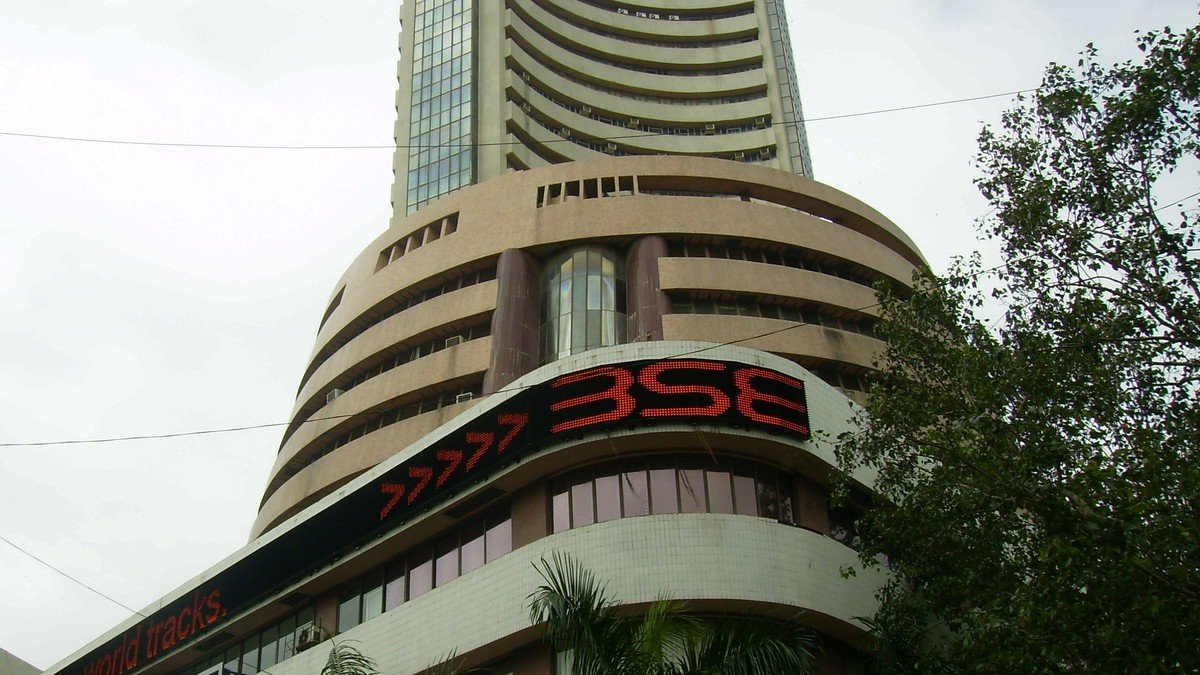
The Securities and Exchange Board of India (SEBI) announced a transformative six-point regulatory overhaul for the equity index derivatives framework on Friday, decisively raising barrier thresholds to protect individual retail participants from escalating speculative financial losses. Under the finalized rules, the minimum contract value for trading index futures and options has been tripled from ₹5 lakh to ₹15 lakh, effectively curtailing low-capital participation.
In addition to increasing lot sizes, SEBI ordered that each stock exchange will be permitted to offer weekly expiry contracts on only one benchmark index. Currently, multiple weekly expiries spanning Nifty, Bank Nifty, Sensex, and FinNifty occurred on nearly every trading day of the week, fueling a hyper-speculative trading frenzy that bloated India's derivatives turnover to world-leading volumes.
Six-Step Regulatory Overhaul Erects Robust Barriers for Retail Speculation
The regulatory package also enforces the mandatory upfront collection of option premiums from retail buyers by clearing corporations, closing a loophole where brokerages allowed clients to execute intra-day trades on borrowed credit. To mitigate extreme market volatility near settlement, SEBI introduced a mandatory 2 percent additional extreme loss margin on expiry days.
The aggressive intervention follows an exhaustive analytical study published by SEBI revealing that 93 percent of individual retail traders suffered net financial losses in the futures and options (F&O) segment between fiscal years 2022 and 2024. Aggregate retail losses exceeded ₹1.8 lakh crore over the three-year period, with younger traders accounting for a disproportionate share.
“These calibrated regulatory interventions are essential to protect retail participants from excessive speculative exposure and ensure long-term stability across India's financial markets.”
Alarming Retail Loss Metrics Compel Decisive Action by Capital Regulators
Market exchanges including the National Stock Exchange of India (NSE) and BSE will implement the phased rollout starting in November 2024, with the full framework taking effect by April 2025. While brokerage revenues and exchange turnover are expected to experience a temporary compression of 20 to 30 percent, financial analysts widely praised the moves for reinforcing capital formation.
The Reserve Bank of India and Ministry of Finance have repeatedly voiced deep concern that speculative gambling in index options was diverting household household savings away from productive physical and financial assets. By directing household capital toward long-term mutual funds and equities, SEBI aims to reinforce the structural foundation of the Indian economy.



Comments (0)
Log in to join the discussion.