

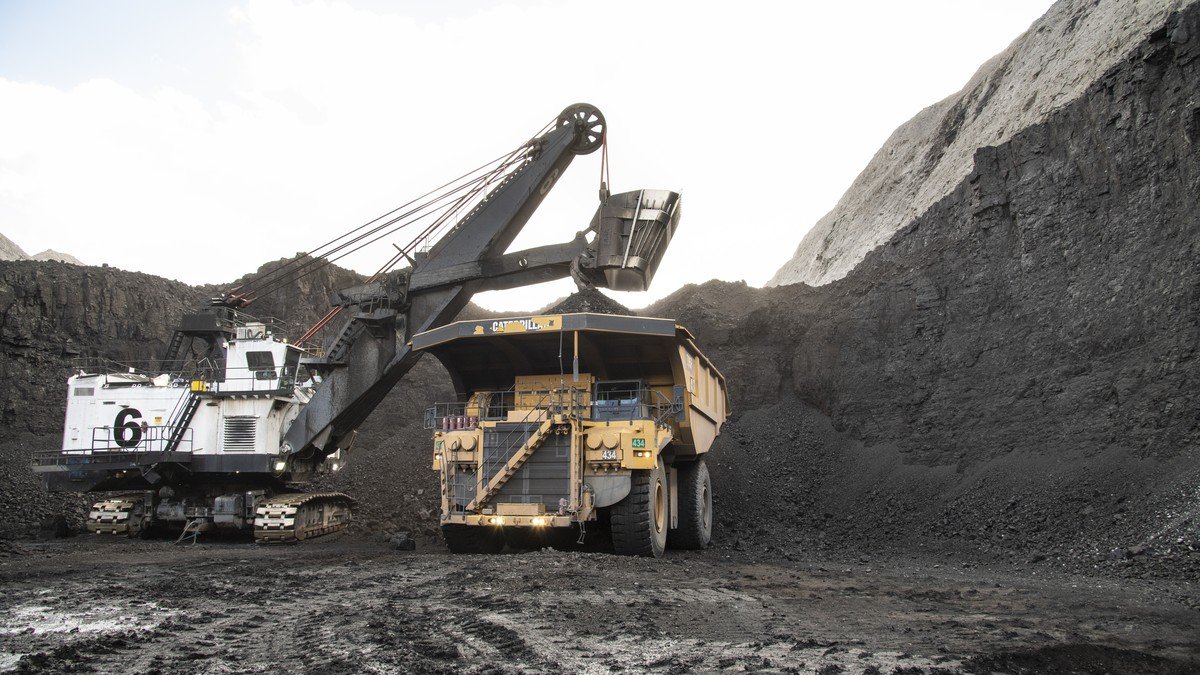
Indonesia's Ministry of Environment and Forestry on September 23, 2026, officially promulgated a rigorous regulatory framework targeting environmental management across high-pressure acid leach (HPAL) and rotary kiln-electric furnace (RKEF) nickel smelters. Focused squarely on the resource-rich corridors of Central Sulawesi, Southeast Sulawesi, and North Maluku, the new decree establishes legally binding operational thresholds designed to alleviate intense international scrutiny over the environmental footprint of the nation's critical minerals boom.
Under the new directives, all refining operations are unequivocally barred from utilizing Deep Sea Tailings Placement (DSTP), a contentious disposal practice that threatened biodiverse coral reefs and coastal fisheries in the Coral Triangle. Instead, operators must transition fully to engineered dry-stacking facilities with multi-layered impermeable geomembrane liners, continuous leachate drainage systems, and real-time groundwater monitoring boreholes. Smelters failing to meet verified geotechnical safety benchmarks by the first quarter of 2027 face suspension of operational permits.
Banning Marine Tailings and Mandating Sustainable Dry Stacking
The government's intervention comes at a pivotal juncture for Indonesia's industrial ambitions. While the country accounts for more than half of global mined nickel output, Western automakers and battery manufacturers subject to stringent ESG mandates—such as the European Union's Battery Regulation and the United States' Inflation Reduction Act sourcing rules—have voiced sustained concerns over coal-intensive processing and habitat degradation. By codifying strict ecological baselines, Jakarta aims to reposition Indonesian nickel as an ethically viable cornerstone of the global clean energy transition.
Air quality and carbon intensity standards have also been significantly escalated. Industrial parks in Morowali and Weda Bay are now mandated to deploy continuous emissions monitoring systems (CEMS) directly integrated into the ministry's national surveillance grid. Operators must measure sulfur dioxide, nitrogen oxides, and particulate matter hourly, while implementing sulfur scrubbers on all existing captive coal-fired generating units.
“Our mineral sovereignty cannot come at the expense of our archipelago's ecological heritage. These new standards guarantee that Indonesian nickel will meet the highest global sustainability benchmarks while protecting our coastal communities.”
Decarbonizing Captive Power and Securing Global EV Partnerships
Crucially, the decree compels industrial park developers to submit binding renewable energy integration master plans within six months. Smelter operators must outline concrete milestones for replacing captive thermal coal with utility-scale solar photovoltaic arrays, floating solar on tailings reservoirs, and geothermal baseload power. Tax deductions and expedited permitting will be granted to consortiums that accelerate grid interconnection with state-owned utility PLN's cleaner regional transmission networks.
Market analysts and trade federations have broadly welcomed the regulatory clarity, noting that transparent enforcement will help compress the ESG discount currently attached to Indonesian intermediate products like mixed hydroxide precipitate (MHP). With global demand for Class 1 battery nickel projected to surge through 2030, Indonesia's assertive environmental governance marks a decisive step toward securing long-term premium supply contracts across North America, Europe, and Northeast Asia.
Comments (0)
Log in to join the discussion.