

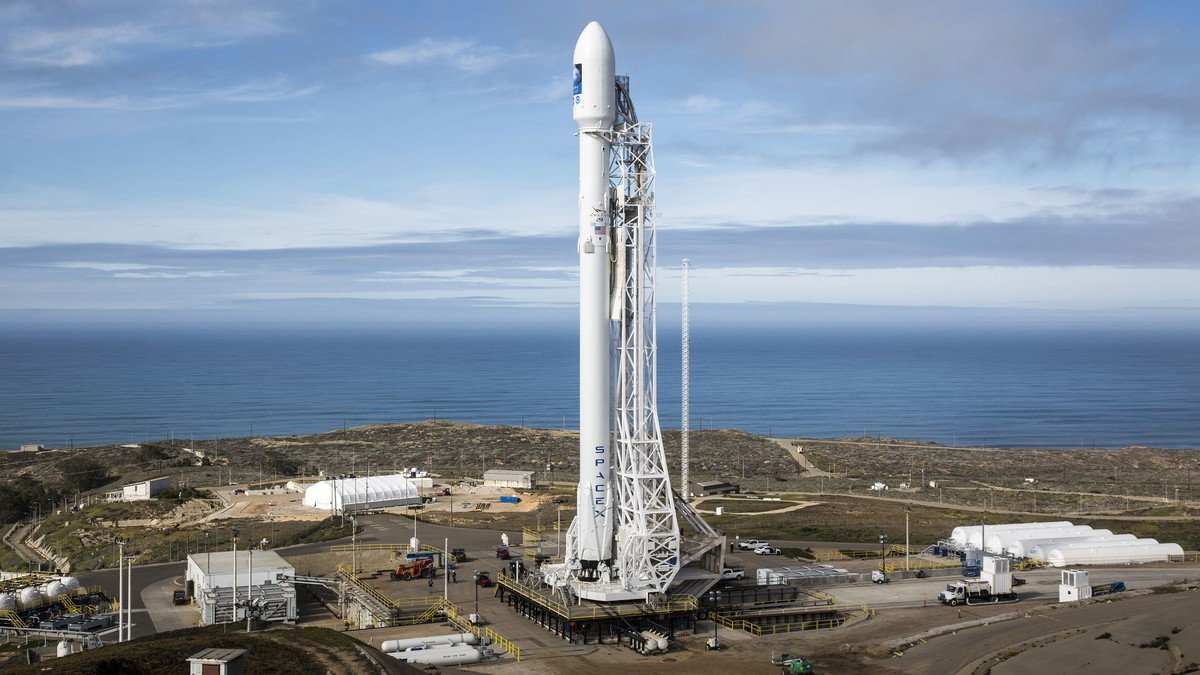
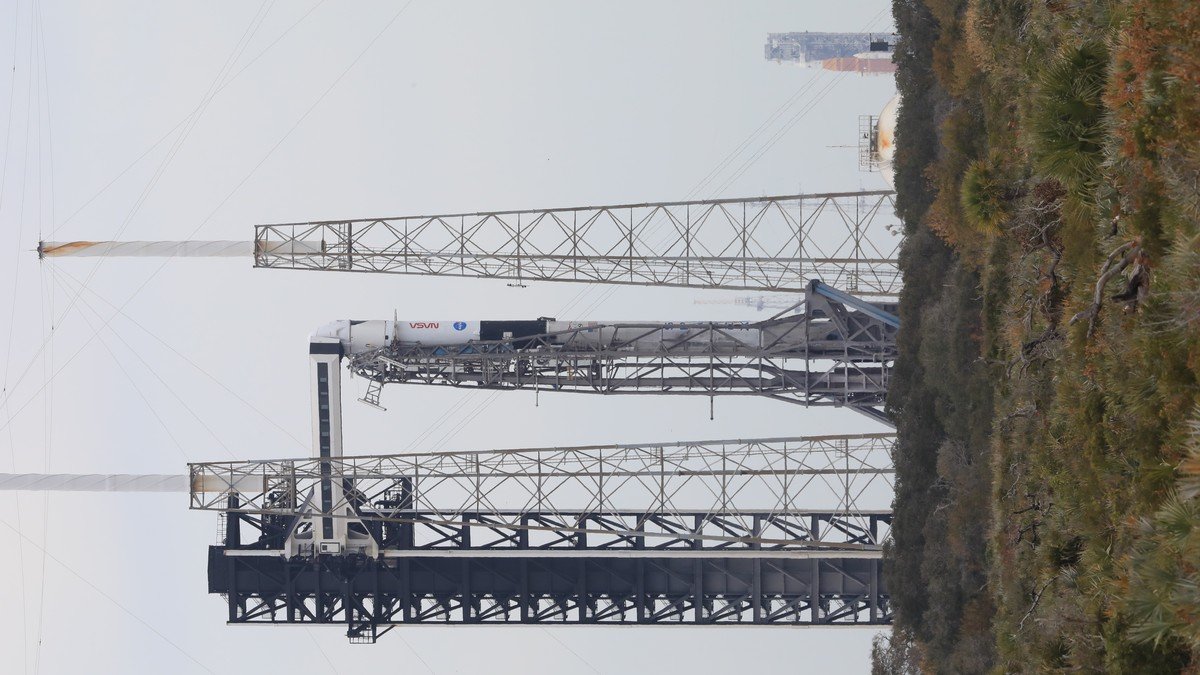
NASA and SpaceX have officially cleared the Crew-9 human spaceflight mission for launch to the International Space Station (ISS) after rigorous post-storm engineering inspections confirmed that launch facilities and flight hardware at Cape Canaveral Space Force Station weathered Hurricane Helene with zero damage. Teams rolled the Falcon 9 rocket and Dragon Freedom capsule back out to Space Launch Complex 40 (SLC-40) on Friday morning to resume final launch countdown milestones.
The monstrous Category 4 hurricane made landfall in Florida's Big Bend region late Thursday night, bringing severe coastal storm surges and hurricane-force winds across much of northern Florida. However, the Space Coast experienced only tropical-storm-force gusts and passing rain bands, sparing critical aerospace infrastructure at Cape Canaveral and the adjacent Kennedy Space Center.
Storm Passes Florida Space Coast Leaving Flight Hardware Unharmed
The Crew-9 mission represents a historic operational milestone as the very first crewed spaceflight to lift off from SLC-40. SpaceX invested over two years upgrading the former satellite launch facility with an emergency egress system, crew access arm, and specialized environmental control modules to serve as an operational backup to the historic Launch Complex 39A.
Aboard the Dragon Freedom spacecraft are NASA astronaut Nick Hague, serving as commander, and Roscosmos cosmonaut Aleksandr Gorbunov, serving as mission specialist. The crew configuration was specially adapted from four astronauts to two after NASA decided to return Boeing's Starliner spacecraft uncrewed, leaving two open seats for stranded astronauts Suni Williams and Butch Wilmore to return home in February 2025.
“Launch infrastructure and spacecraft hardware weathered Hurricane Helene with zero damage. Our teams have completed pad re-evaluations and we are go for a historic liftoff from SLC-40.”
Historic Milestone at Space Launch Complex 40 for Crewed Exploration
Following the roll-back to the pad, ground crews successfully executed static fire testing and completed rehearsals of launch-day telemetry integration with Johnson Space Center mission control in Houston. Forecasters with the U.S. Space Force 45th Weather Squadron predicted a 70 percent probability of acceptable weather conditions at liftoff, with cumulus clouds representing the primary concern.
Once in orbit, Hague and Gorbunov will conduct a 28-hour orbital rendezvous before docking with the Harmony module of the ISS. Over their planned five-month expedition, the crew will execute over 200 scientific experiments spanning space biology, material sciences, and human physiology to pave the way for future Artemis missions to the Moon.
Comments (0)
Log in to join the discussion.