

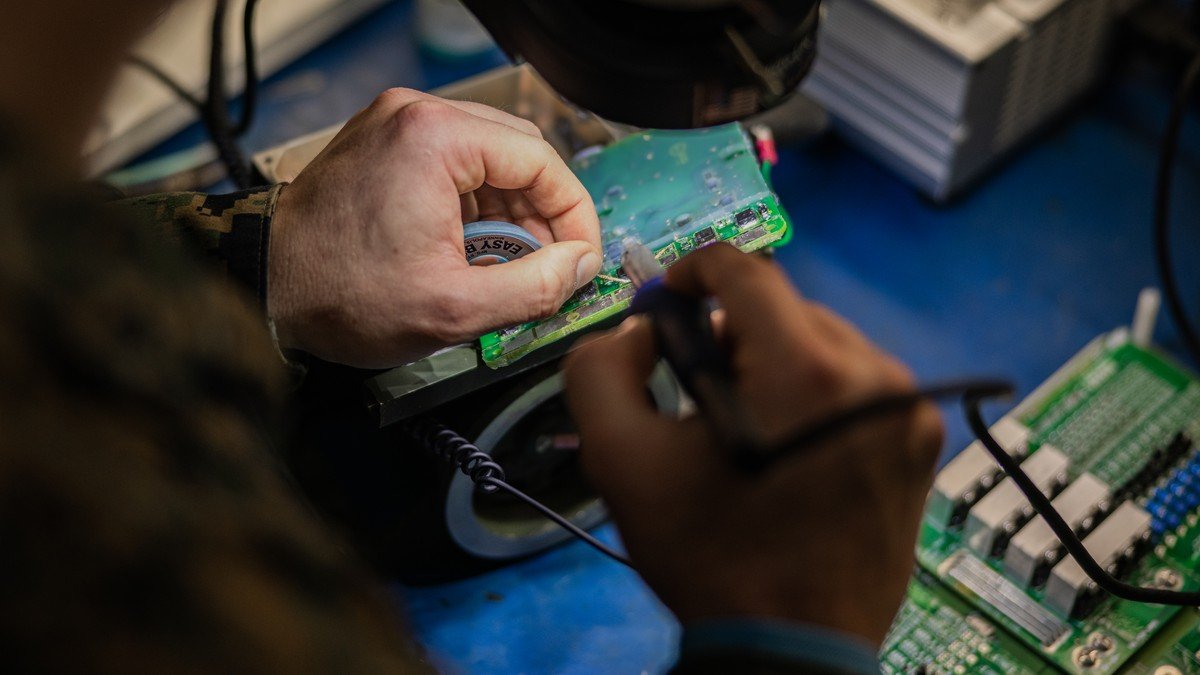
In a decisive move to strengthen consumer rights and curb mounting e-waste, India's Department of Consumer Affairs convened extensive national stakeholder consultations in New Delhi to introduce a mandatory Repairability Index for smartphones and consumer electronics. The proposed regulatory framework aims to assign electronic gadgets a score ranging from 1 to 5, providing buyers with clear upfront visibility into how easily a device can be serviced, dismantled, and maintained throughout its lifecycle.
The consultations brought together senior policymakers, consumer advocacy groups, leading smartphone original equipment manufacturers (OEMs), and third-party repair associations. Discussions centered on establishing standardized parameters that prevent deceptive marketing and planned obsolescence—the practice where manufacturers intentionally restrict spare parts or software access to accelerate device replacements. Under the draft guidelines, manufacturers will be mandated to display the repairability score prominently on product packaging and online retail listings.
Standardized 1-to-5 Scoring and Manufacturer Obligations
The scoring rubric evaluates devices across five fundamental pillars: the availability of comprehensive repair manuals and diagnostic software, the ease of physical disassembly without proprietary specialized tools, the long-term availability of genuine spare parts, pricing transparency for components, and guaranteed software update timelines. Consumer groups have long criticized the exorbitant cost of replacement displays and batteries, which frequently nudges consumers to purchase new devices rather than repair existing units.
Global benchmarks such as the French repairability index and European Union circular economy directives served as reference points during the deliberations. Indian officials stressed that as the world's second-largest smartphone market, India generates upwards of 1.7 million tonnes of electronic waste annually. Empowering local repair ecosystems and independent repairers is considered vital for grassroots employment and resource sustainability.
“Consumers have an inherent right to repair their devices affordably rather than being forced into planned obsolescence. This index will empower buyers and reduce e-waste across the nation.”
Environmental Impacts, Industry Pushback, and Global Precedents
While tech giants and industry trade bodies expressed broad support for consumer transparency, representatives raised concerns over intellectual property rights, user safety during battery replacements, and potential compliance costs for mid-tier brands. In response, ministry officials assured that the implementation will follow a phased roadmap, beginning with premium and mid-range smartphones before expanding to tablets, laptops, and household consumer appliances.
The Department of Consumer Affairs plans to integrate the Repairability Index directly into its existing national Right to Repair portal, where registered brands already share self-repair manuals and authorized service network details. With the final framework expected within the coming quarter, consumer advocates hailed the policy as a watershed milestone that places user autonomy and ecological responsibility at the heart of India's booming digital electronics economy.



Comments (0)
Log in to join the discussion.