

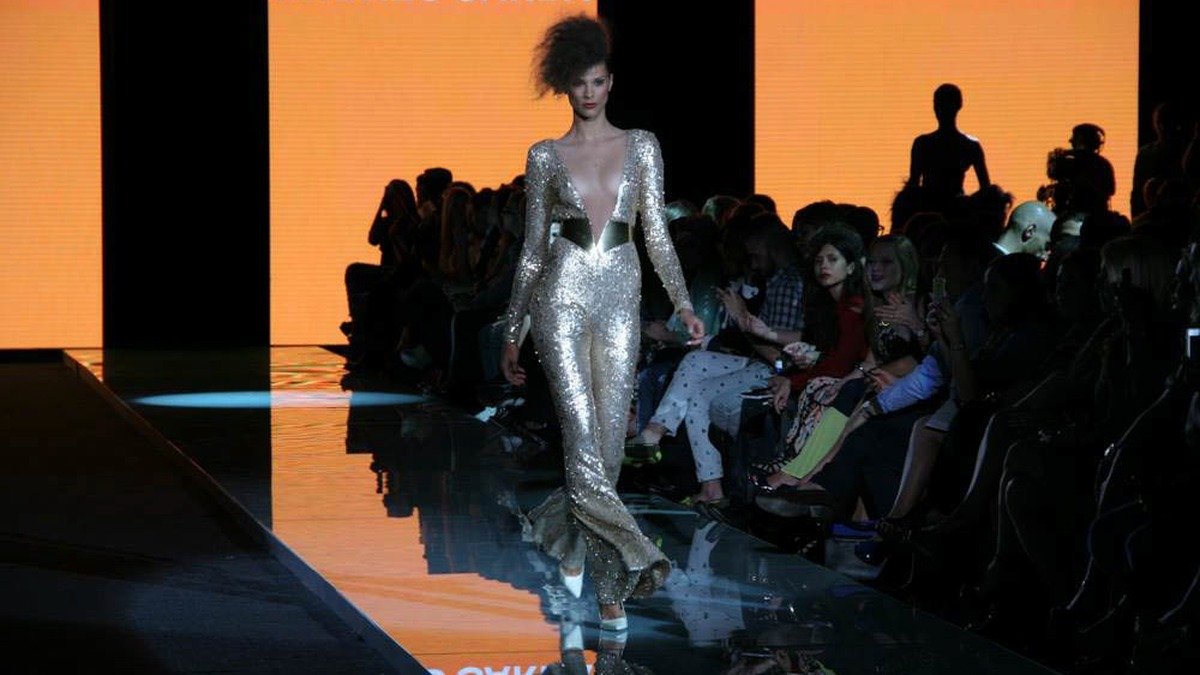
As Milan Fashion Week Spring/Summer 2025 drew to a close across Italy's design capital, the world's most prestigious luxury houses delivered a unified creative thesis: an assertive reaffirmation of tactile human craftsmanship, emotional nuance, and intentional imperfection as an essential counterweight to artificial intelligence and algorithmic trend forecasting.
Across more than fifty live runway shows and dozens of presentations, creative directors from Prada, Bottega Veneta, Gucci, and Fendi deliberately moved away from homogenized social-media aesthetics. Instead, collections celebrated the slow, idiosyncratic touch of the human atelier, showcasing hand-worked leathers, intricate embroidery, and complex textile layering that resist machine replication.
Prada and Bottega Veneta Embrace Instinct and Tactile Illusion
At Prada, co-creative directors Miuccia Prada and Raf Simons presented an eclectic collage of conflicting fashion eras, juxtaposing mid-century tailoring with athletic nylon and sci-fi eyewear. Backstage, the designers explained that the collection was conceived as a celebration of personal human instinct and unpredictable intuition in an era overwhelmed by algorithm-curated content feeds.
Meanwhile, Matthieu Blazy's showcase for Bottega Veneta elevated tactile illusion to fine art. Presenting garments that appeared from a distance like everyday cotton flannels, crumpled jeans, and casual trench coats, Blazy revealed they were meticulously hand-crafted from featherlight nappa leather, underscoring that authentic luxury lies in physical surprise and masterly human execution.
“In a world driven by predictive algorithms that smooth away risk, true fashion must remain a space of delightful friction and human eccentricity. No digital algorithm can synthesize the heart, instinct, and artisanal tradition found in an Italian workshop.”
Heritage Textile Mills Power the Movement Toward Slow Luxury
The collections also placed renewed emphasis on Italy's historic regional textile mills—from the renowned silk weaving houses of Como to the woolen workshops of Biella. Natural, sustainable fabrics including untreated linen, raw tussah silk, and recycled archival wools dominated the runways, advocating longevity over disposable fashion cycles.
International buyers and fashion critics observed that Milan's celebration of physical craftsmanship comes at a decisive moment for global luxury. By prioritizing tangible quality, emotional storytelling, and the irreplaceable hand of the artisan, Italian fashion has forcefully defined its value for the modern era.
Comments (0)
Log in to join the discussion.