

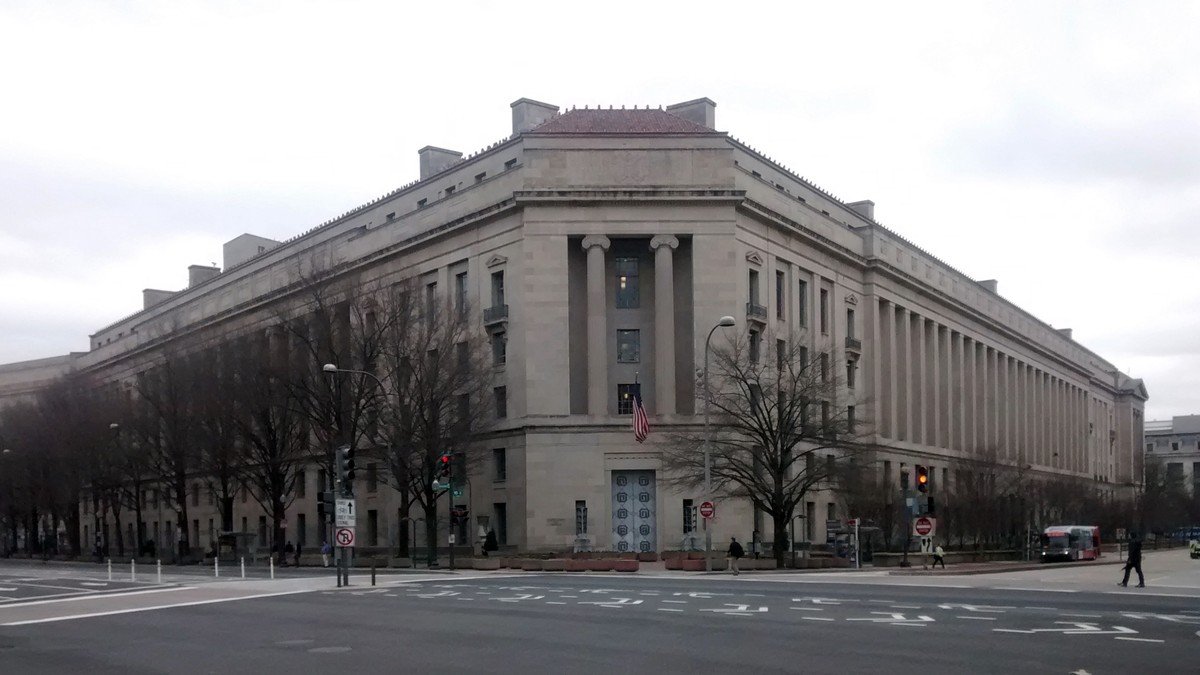
The United States Department of Justice is preparing to file a landmark federal antitrust lawsuit against payment giant Visa Inc., accusing the company of illegally monopolizing the nation's multi-trillion-dollar debit card network market. The impending complaint, culminating from an exhaustive multi-year civil investigation by the Antitrust Division, represents one of the most substantial regulatory assaults on digital payments infrastructure in decades.
According to sources familiar with the government's filings, prosecutors will allege that Visa leveraged its dominant market share—controlling over 60% of all US debit transactions—to lock in commercial banks and retail merchants through punitive pricing structures and exclusionary contractual clauses. These practices allegedly thwarted routing competition and systematically foreclosed rival payment rails.
Allegations of Exclusionary Pricing and Routing Restrictions
Central to the Justice Department's case are Visa's sophisticated volume-discounting frameworks and bundled interchange fee agreements. Regulators argue that Visa structured its contracts so that merchants who attempted to route even a modest percentage of transactions across rival networks—such as Pulse, NYCE, or Star—faced steep financial penalties across their entire transaction volume, making real routing competition economically unfeasible.
Furthermore, the antitrust complaint is expected to scrutinize private commercial pacts that Visa struck with prominent fintech enterprises, payment gateways, and digital wallet providers. Federal prosecutors assert that Visa neutralized potential disruptive threats by offering lucrative revenue-sharing incentives or threatening prohibitive access fees, effectively paying potential competitors to refrain from building alternative direct-debit clearing rails.
“Anticompetitive conduct that protects payment monopolies extracts an unfair toll from everyday businesses and directly increases the prices consumers pay at the checkout counter.”
Impact on Retail Costs, Consumer Prices, and Financial Technology
Debit card swipe fees, commonly known as interchange, represent one of the largest operating expenses for American retailers, supermarkets, and small business owners. Business trade groups have long complained that a lack of meaningful competition between network duopolies allows transaction tolls to steadily rise, adding an estimated tens of billions of dollars each year to retail operating overhead that is ultimately passed along to American households.
Visa has previously defended its business model by asserting that its expansive network investments provide world-class security, instantaneous settlement, and unmatched fraud prevention benefits for financial institutions, merchants, and cardholders alike. However, legal analysts note that a formal federal lawsuit will test whether established payment rails can legally use complex fee architectures to shield their network dominance against technological disruption.



Comments (0)
Log in to join the discussion.