

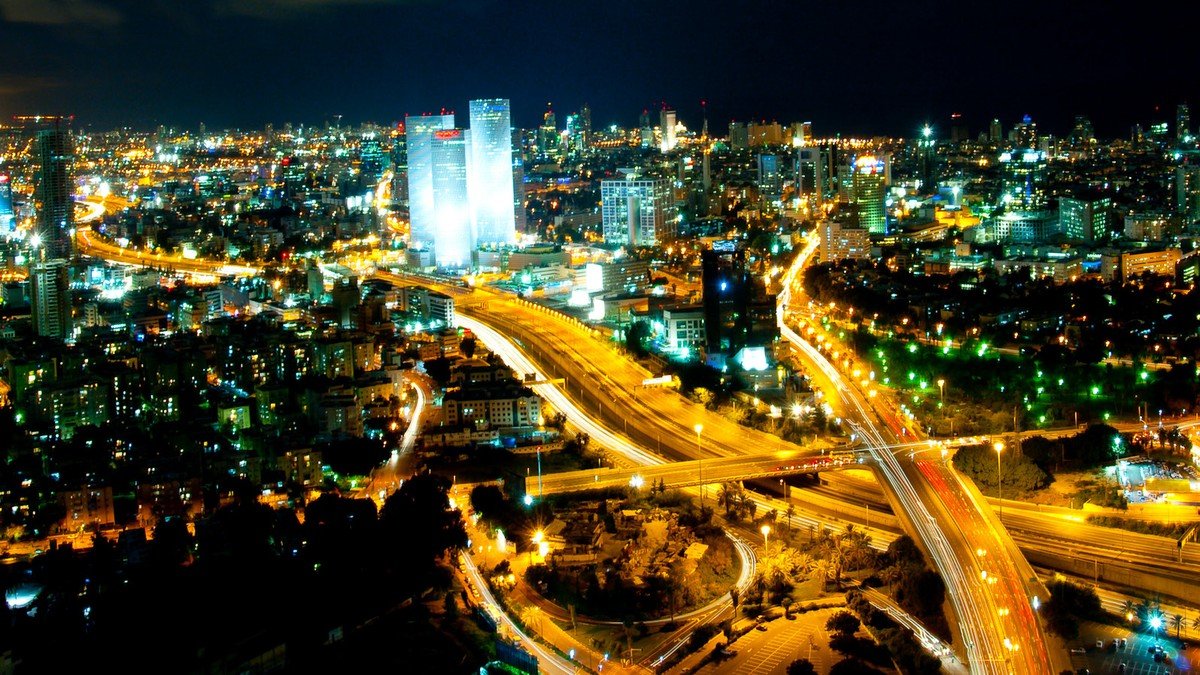
On Tuesday evening, Iran's Islamic Revolutionary Guard Corps (IRGC) unleashed a massive barrage of approximately 180 to 200 ballistic missiles directed at military and security infrastructure across Israel. Air raid sirens shrieked nationwide, ordering nearly ten million civilians into fortified bomb shelters as detonations echoed above Tel Aviv, Jerusalem, and the Negev Desert.
According to official military statements, the Iranian salvo specifically targeted frontline installations, including the strategic Nevatim and Tel Nof airbases, as well as intelligence complexes adjacent to the Glilot junction north of Tel Aviv. The strike marked Tehran's most extensive direct military assault against Israeli territory to date.
Barrage Aimed at Airfields, Radar Sites, and Intelligence Hubs
Israel's multi-tiered air defense network, anchored by the long-range Arrow 2 and Arrow 3 interceptor systems, operated at maximum readiness alongside David's Sling and the Iron Dome. In the eastern Mediterranean, guided-missile destroyers belonging to the United States Navy fired interceptors to assist in downing inbound Iranian projectiles before they reached population centers.
While military officials confirmed that the majority of incoming warheads were successfully neutralized in mid-air, several impacts and shrapnel falls were recorded in open areas, agricultural zones, and near military perimeters. Emergency responders deployed immediately to assess localized structural damage and provide medical assistance for minor injuries.
“This action was in response to aggression against our sovereignty and commanders. Should the Israeli regime respond, it will face crushing subsequent blows.” — Islamic Revolutionary Guard Corps General Command Statement
Air Defense Interceptions and Escalating Regional Confrontation
Israeli Prime Minister Benjamin Netanyahu convened an emergency security cabinet meeting in a secure bunker, stating that Tehran had committed a grave miscalculation and would bear severe consequences. Defense officials signaled that retaliatory operations would target sensitive Iranian strategic infrastructure in due course.
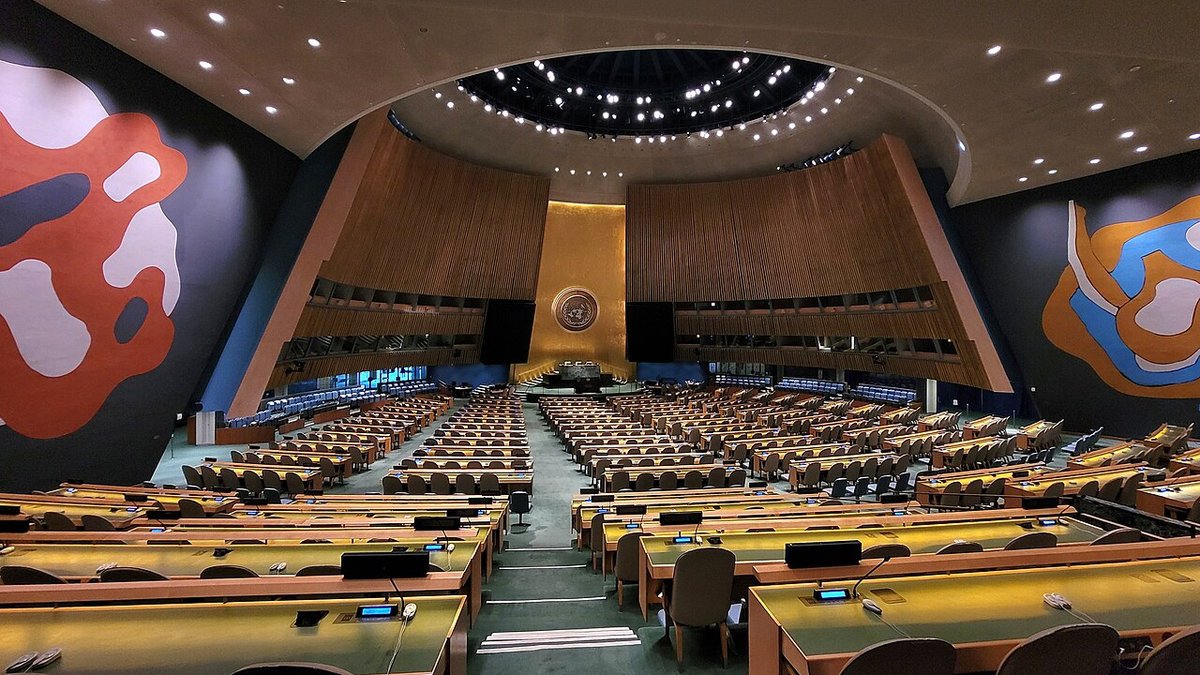
International leaders, including United Nations Secretary-General António Guterres and European Union diplomats, condemned the rapid escalation of violence and demanded an immediate ceasefire. The UN Security Council scheduled an urgent emergency session to evaluate the crisis and prevent the outbreak of an uncontrollable regional war across the Middle East.
Frequently Asked Questions
How many missiles were launched in Iran's attack against Israel?
Iran launched approximately 180 to 200 ballistic missiles targeting military bases and intelligence installations.
Which defensive systems intercepted the incoming Iranian missiles?
Israel's Arrow 2, Arrow 3, and David's Sling systems intercepted projectiles alongside US Navy guided-missile destroyers.

Comments (0)
Log in to join the discussion.