

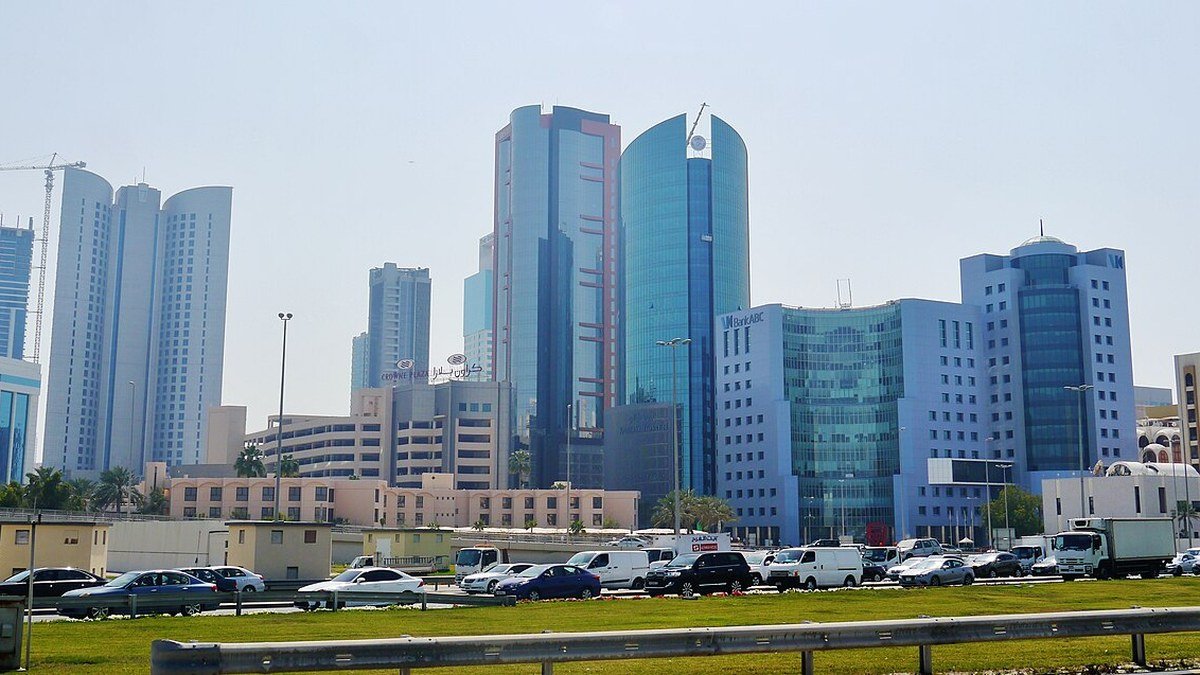
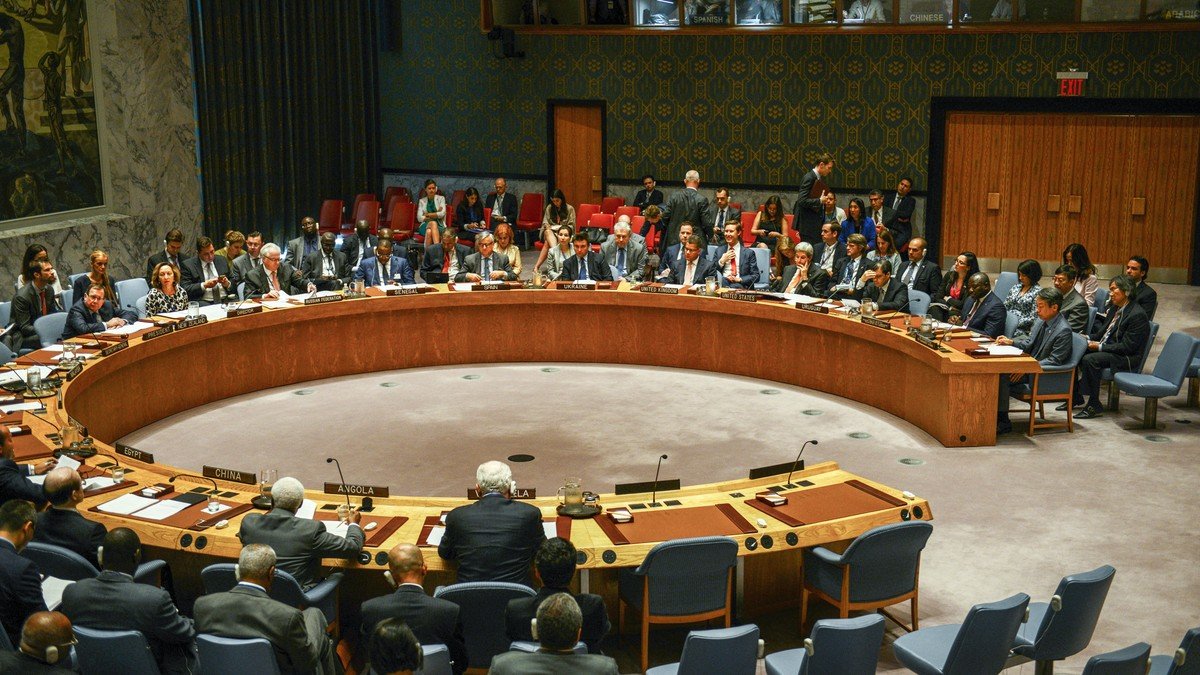
Ministers of finance and economy from the six member states of the Gulf Cooperation Council (GCC) gathered in Manama, Bahrain, for the 126th meeting of the GCC Financial and Economic Cooperation Committee. The high-level summit aimed to accelerate regional integration and remove remaining operational barriers to cross-border commerce across the Arabian Gulf.
Chaired by Bahrain's Minister of Finance and National Economy, Shaikh Salman bin Khalifa Al Khalifa, the delegates addressed critical economic directives approved by GCC leaders. The agenda placed prime focus on unifying customs processes, eliminating non-tariff obstacles, and completing legal frameworks governing the GCC Common Market.
Unifying Customs Procedures and Advancing the Common Market
The committee reviewed progress toward establishing a fully operational GCC Customs Union, which seeks to implement seamless electronic declaration transfers and single-window border clearances. Officials emphasized that establishing common border standards is pivotal to boosting trade volumes among Saudi Arabia, the UAE, Bahrain, Qatar, Kuwait, and Oman.
Discussions also focused on expanding parity for Gulf citizens across member states, guaranteeing equal treatment in employment, corporate registration, property ownership, and municipal services. Delegations evaluated actionable benchmarks to remove regulatory discrepancies that currently hinder the fluid mobility of capital and skilled labor throughout the bloc.
“Strengthening economic unity and regulatory coherence across the Gulf Cooperation Council is essential to expanding intra-regional trade and enhancing the global competitiveness of Gulf economies.” — Jasem Mohamed Al-Budaiwi, Secretary-General of the Gulf Cooperation Council
Regional Infrastructure and Long-Term Economic Resilience
The ministerial meeting also reviewed strategic logistics infrastructure, notably the scheduled rollout of the GCC Railway project. The multi-billion-dollar network, set to link all six member capitals by 2030, is projected to dramatically reduce shipping costs and strengthen the regional supply chain for key non-oil industrial sectors.
As GCC governments pursue comprehensive economic diversification programs to insulate their economies from hydrocarbon market volatility, the committee agreed to enhance fiscal policy alignment and joint investment vehicles. The ministers reaffirmed that regional economic solidarity remains the foundation for sustained post-oil prosperity.
Frequently Asked Questions
What were the primary priorities of the 126th GCC committee meeting in Bahrain?
The session prioritized unifying customs procedures, eliminating trade barriers, advancing the GCC Common Market, and reviewing progress on the GCC Railway project.
Which countries participated in the Financial and Economic Cooperation Committee?
The meeting was attended by finance and economy ministers from Saudi Arabia, the UAE, Bahrain, Qatar, Kuwait, and Oman, alongside the GCC Secretary-General.


Comments (0)
Log in to join the discussion.