

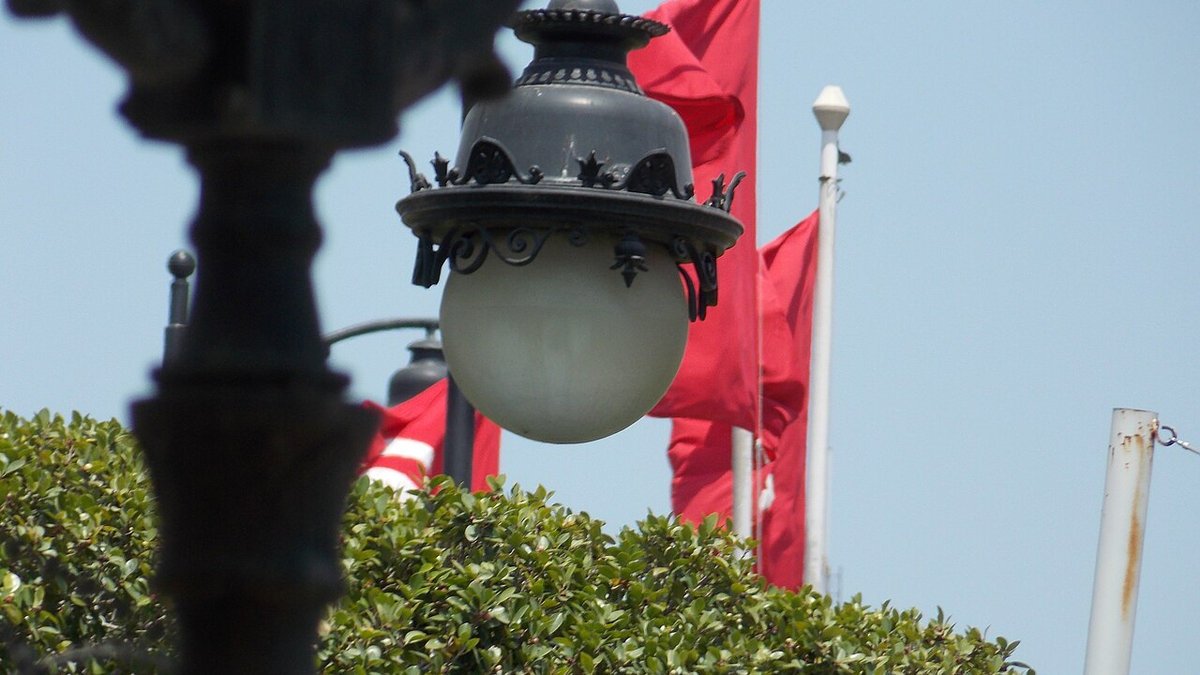
Tunisian President Kais Saied has secured a second five-year term in office after winning a sweeping 90.7% of the vote in the country's presidential election. Preliminary official tallies released by the Independent High Authority for Elections confirmed an overwhelming triumph for the 66-year-old former constitutional law professor against two approved challengers.
According to official figures presented by ISIE President Farouk Bouasker, imprisoned liberal businessman Ayachi Zammel finished in a distant second place with 7.35% of valid ballots, while pan-Arabist candidate Zouhair Maghzaoui garnered 1.97%. The election board announced that overall voter turnout reached 28.8%, reflecting a steep decline from earlier democratic contests.
Decisive Re-Election Victory and Electoral Commission Tallies
Major opposition movements, including the National Salvation Front coalition and the Ennahda party, urged supporters to boycott what they described as an uncompetitive ballot. Critics highlighted the pre-election disqualification of several prominent prospective candidates and the detention of political rivals, trade unionists, and journalists under restrictive administrative decrees.
Following the release of preliminary results, hundreds of enthusiastic Saied loyalists gathered on Avenue Habib Bourguiba in central Tunis, waving national flags and chanting patriotic anthems. Saied appeared before the crowd late in the evening to deliver a defiant victory speech celebrating what he termed a revolutionary popular mandate.
“This overwhelming vote represents a mandate to continue our historical struggle for national sovereignty, institutional integrity, and self-determination against internal corruption.” — Kais Saied, President of the Republic of Tunisia
Opposition Boycotts, Low Turnout, and Institutional Future
Since suspending parliament and restructuring Tunisia's political framework in July 2021, Saied has consolidated broad executive powers under a revised constitution approved in a 2022 referendum. Supporters credit his unyielding posture with dismantling an ineffective parliamentary system plagued by economic stagnation and chronic political infighting.
International observers and domestic human rights groups expressed concern over democratic backsliding and press freedom limitations throughout the campaign. Saied's second term begins amidst pressing economic headwinds, including high external debt obligations, persistent inflation, and elevated youth unemployment across the North African nation.
Frequently Asked Questions
What percentage of the vote did Kais Saied receive?
Kais Saied won re-election with 90.7% of valid ballots according to Tunisia's electoral authority ISIE.
What was the official voter turnout in Tunisia's presidential election?
The Independent High Authority for Elections reported an official national voter turnout of 28.8%.
Comments (0)
Log in to join the discussion.