

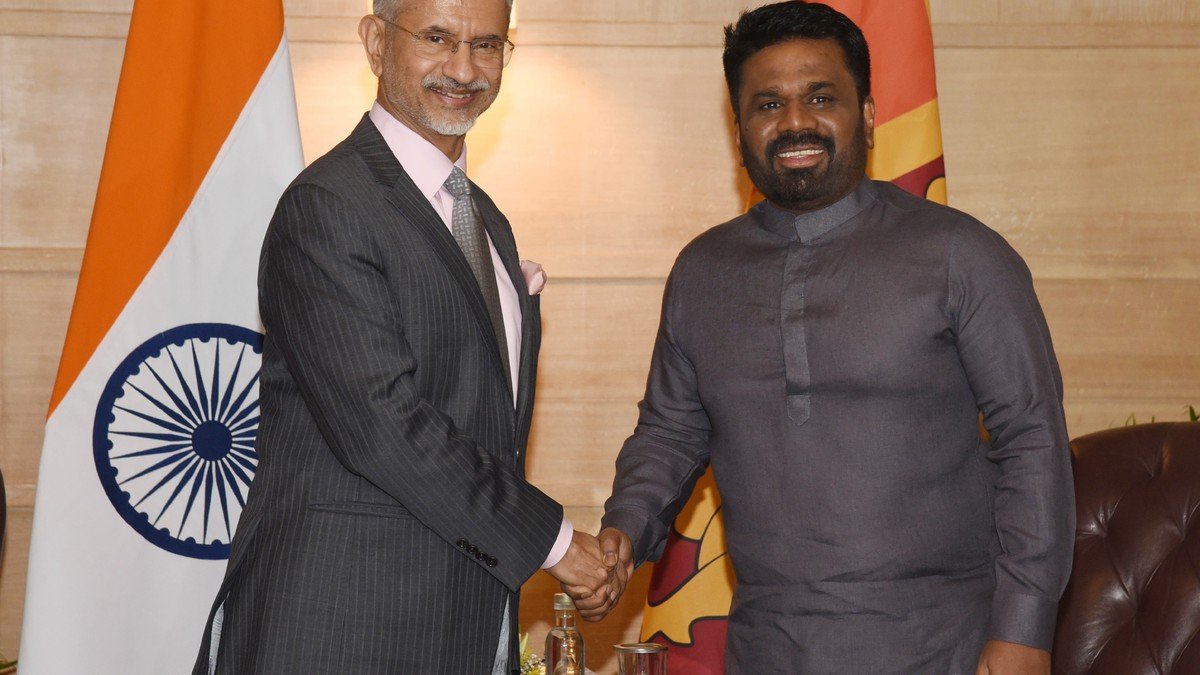
Delivering India's national statement at the General Debate of the 79th Session of the United Nations General Assembly (UNGA 79) in New York, External Affairs Minister Dr. S. Jaishankar issued a forceful call for a rebalanced international order that places the developmental aspirations of the Global South at the center of multilateral decision-making. Opening with the traditional Sanskrit invocation 'Om Namah Shivaya' before switching to English, Jaishankar warned that developing nations are bearing the brunt of cascading geopolitical shocks, climate disruptions, and structural economic inequities.
Jaishankar argued that decades of unchecked globalization have resulted in dangerous over-concentration of manufacturing and critical supply chains in a handful of geographies, leaving vast regions of Asia, Africa, and Latin America vulnerable to weaponized trade dependencies, non-tariff barriers, and subsidized dumping. He emphasized that resilient global growth requires de-risking supply chains, democratizing technology access—including India's Digital Public Infrastructure model—and ensuring fair market access.
Firm Warning Against Cross-Border Terrorism and Regional Instability
Turning to security challenges, the Indian External Affairs Minister delivered an unmistakable rebuke of cross-border terrorism and territorial revisionism. Referring to long-standing regional dynamics in South Asia, Jaishankar contrasted India's rapid economic modernization and technological advancement with neighbors that have relied on state-sponsored militancy as an instrument of statecraft, noting that 'karma' ultimately catches up with nations that export instability.
On the ongoing wars in Ukraine and the Middle East, Jaishankar reaffirmed Prime Minister Narendra Modi's stance that 'this is not an era of war' and that solutions cannot be found on the battlefield, offering India's readiness to facilitate dialogue and diplomatic engagement among all stakeholders.
“Large parts of the world cannot be left behind while the international order remains frozen in an outdated era. True multilateralism requires giving voice and representation to the Global South.”
Push for UN Security Council Expansion and 'Vishwabandhu' Vision
Addressing the institutional paralysis of the United Nations—designed in 1945 with just 51 member states compared to 193 today—Jaishankar called for urgent, text-based negotiations to expand both the permanent and non-permanent seats of the UN Security Council, alongside G4 partners Brazil, Germany, and Japan.
Concluding his address, Jaishankar outlined India's foreign policy philosophy of 'Vishwabandhu'—a trusted partner to the world—pointing to New Delhi's successful championing of the African Union's permanent membership in the G20, disaster relief operations, and vaccine diplomacy as proof that human-centric globalization can deliver tangible equity.

Comments (0)
Log in to join the discussion.