

Argentina's National Institute of Statistics and Census (INDEC) reported that the country's urban poverty rate climbed to 52.9% in the first half of 2024, marking the highest level in two decades since the aftermath of the 2001–2002 economic collapse. The semi-annual Permanent Household Survey revealed that poverty jumped 11.2 percentage points from the 41.7% recorded in the second half of 2023, encompassing approximately 15.7 million people in the 31 surveyed urban agglomerations—extrapolated to nearly 25 million nationwide.
Even more acute was the rise in extreme poverty, or indigence, which measures households whose total income fails to cover a basic food basket. Indigence surged from 11.9% in late 2023 to 18.1% in the first six months of 2024, leaving roughly 5.4 million urban residents unable to afford minimum nutritional requirements without public assistance.
Purchasing Power Erosion and Rising Indigence Across Urban Centers
The statistical deterioration captures the immediate social toll of the December 2023 peso devaluation of more than 50%, the removal of price controls and utility subsidies, and monthly inflation that peaked at 25.5% in December and 20.6% in January. During the first quarter, food and beverage prices rose faster than wages and informal sector earnings, severely compressing real household incomes.
Demographic breakdowns within the INDEC report underscored the vulnerability of younger Argentines: 66.1% of children aged 0 to 14 were living below the poverty line in the first half of the year, including 27.0% in extreme poverty. Regional disparities also widened, with the northeastern provinces recording poverty rates exceeding 62.9%, compared with 39.1% in the Patagonian region.
“The government inherited a catastrophic hyperinflationary spiral; had we not implemented decisive fiscal consolidation in December, poverty would have exploded far further.”
Government Fiscal Defense and Second-Quarter Disinflation Trends
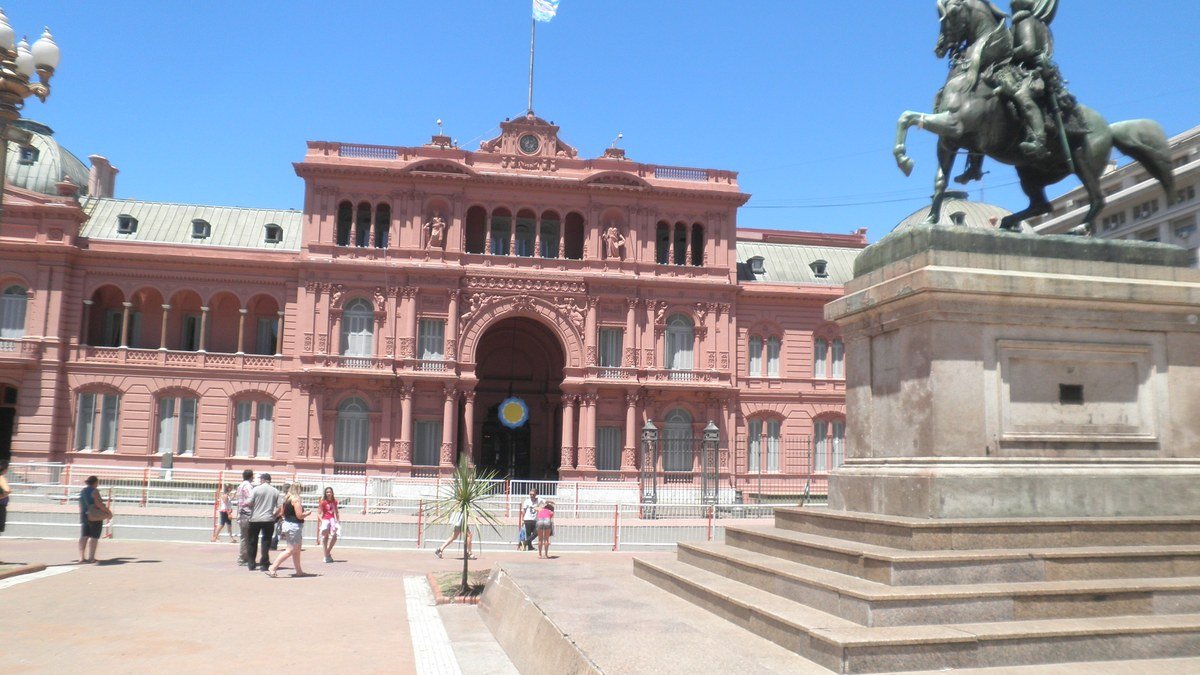
Responding to the release at the Casa Rosada, Presidential Spokesperson Manuel Adorni argued that the first-half average masks a turnaround that began in the second quarter as monthly inflation slowed toward 4% and real wages started recovering. Ministry of Human Capital officials also pointed to repeated increases in the Universal Child Allowance (AUH) and the Tarjeta Alimentar food assistance program, which have been expanded to cover basic food basket costs directly without intermediaries.
Independent economists at the Argentine Catholic University (UCA) Social Debt Observatory noted that while poverty spiked near 55% in the first quarter before easing toward 51% in the second quarter, a sustained reduction below 40% will require formal job creation and economic growth. With Argentina's economy projected to contract by roughly 3.5% in 2024 amid sharp cuts to public works and consumption, labor unions and social organizations warned that household recovery remains fragile.



Comments (0)
Log in to join the discussion.