

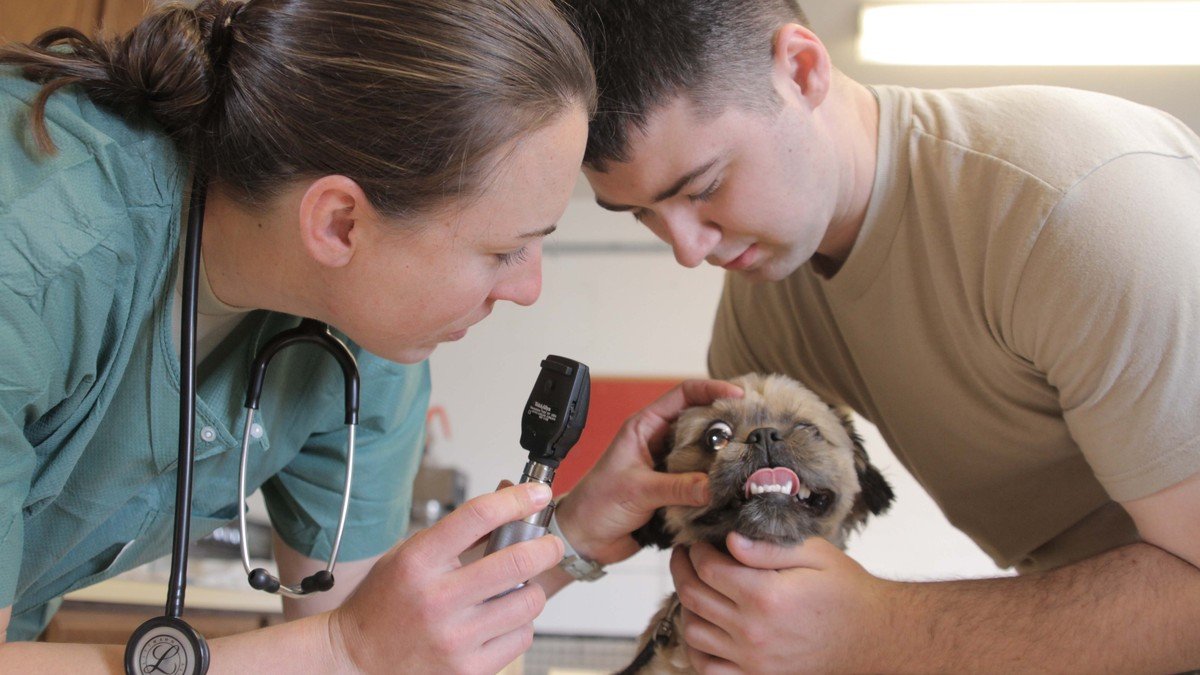
Marking World Rabies Day on September 28 under the theme 'Breaking Rabies Boundaries', the World Health Organization (WHO), the Food and Agriculture Organization (FAO), the World Organisation for Animal Health (WOAH), and the Global Alliance for Rabies Control (GARC) issued a joint call for accelerated investment in canine vaccination and human post-exposure prophylaxis.Observed annually on the anniversary of French microbiologist Louis Pasteur's death, the global campaign highlights the urgent steps needed to reach 'Zero by 30'—the international strategic goal to eliminate dog-mediated human rabies deaths by the year 2030.
Despite being 100 percent preventable through timely immunization, rabies continues to claim an estimated 59,000 human lives every year across more than 150 countries and territories, equivalent to one death every nine minutes. Approximately 95 percent of human cases occur in Africa and Asia, with rural and underserved communities bearing the heaviest burden, and children under the age of 15 accounting for 40 percent of all bite victims.
One Health Coordination and Mass Canine Vaccination
Because domestic dogs are responsible for up to 99 percent of all rabies transmissions to humans, epidemiologists emphasize that vaccinating at least 70 percent of the canine population in endemic regions is the single most cost-effective way to interrupt the transmission cycle at its source. Through the United Against Rabies Forum, veterinary and public health ministries are integrating cross-border surveillance, oral rabies vaccination trials for free-roaming dogs, and community bite-prevention education.
Several endemic countries have demonstrated measurable progress over the past year. Mexico remains certified by the WHO as the first country to validate the elimination of dog-transmitted human rabies, while national campaigns in India, the Philippines, Cambodia, Tanzania, and Kenya have scaled up municipal dog immunization and digital bite-reporting registries.
“Rabies is 100 percent vaccine-preventable, yet it still claims a human life every nine minutes—mostly children in rural communities. Breaking boundaries through One Health collaboration can end this tragedy.”
Gavi Vaccine Rollout Expands Post-Exposure Prophylaxis Access
A pivotal breakthrough highlighted during the 2024 observance is the operational rollout of Gavi, the Vaccine Alliance's investment in human rabies vaccines for post-exposure prophylaxis (PEP). After pandemic-related delays, more than 50 Gavi-eligible countries are now eligible to apply for subsidized intradermal rabies vaccines and cold-chain support, drastically reducing the out-of-pocket treatment costs that previously forced rural families into catastrophic medical debt.
WHO clinical guidelines strongly recommend transitioning from intramuscular to dose-sparing intradermal vaccination regimens, which reduce vaccine volume and cost by up to 60 percent while providing rapid protective immunity when combined with thorough wound washing and rabies immunoglobulin for severe exposures.



Comments (0)
Log in to join the discussion.