


The Israel Defense Forces (IDF) and Hezbollah formally confirmed on Saturday that Hassan Nasrallah, the powerful cleric who led the Lebanese militant and political movement for more than three decades, was killed in a massive Israeli aerial bombardment targeting the group's central underground headquarters in Beirut's southern suburb of Dahieh.
The confirmation marks a seismic turning point in the escalating conflict along the Israel-Lebanon border and across the broader Middle East. Nasrallah, 64, had served as Hezbollah's Secretary-General since 1992, transforming the organization into a formidable regional military actor with an extensive arsenal of precision-guided missiles and deep strategic ties to Tehran.
Operation New Order Targets Underground Command Complex
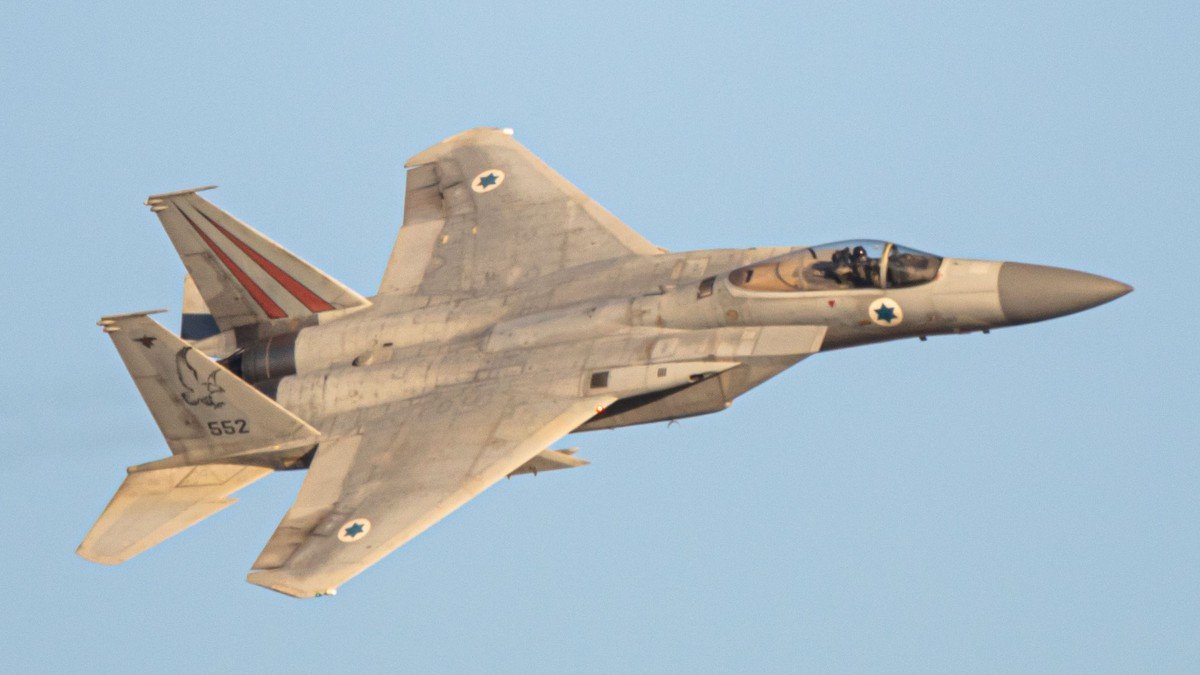
According to Israeli military briefings, fighter jets from the Israeli Air Force executed the operation—codenamed Operation New Order—dropping dozens of heavy bunker-busting munitions on a fortified subterranean command center embedded beneath residential buildings in the Haret Hreik neighborhood. Real-time actionable intelligence indicated that Hezbollah's senior military leadership had gathered at the complex to coordinate operations.
Alongside Nasrallah, the strike killed Ali Karaki, the commander of Hezbollah's Southern Front, as well as several high-ranking operational commanders and Iranian military advisers. In a statement broadcast across Lebanese media, Hezbollah mourned its longtime leader and vowed to continue its resistance posture while leadership succession protocols moved toward the group's Shura Council.
“Hassan Nasrallah will no longer be able to terrorize the world. Our forces struck the central underground headquarters in Beirut with intelligence-driven precision to eliminate an immediate threat to Israeli citizens.”
Regional Fallout and International Calls for De-escalation
In Beirut, the unprecedented scale of the explosions leveled multiple multi-story structures and sent shockwaves miles across the Lebanese capital, prompting thousands of residents to flee Dahieh overnight for shelter in central Beirut and northern provinces. Lebanon's caretaker government declared three days of official national mourning as emergency civil defense teams continued search-and-rescue operations in the rubble.
Internationally, the assassination triggered emergency diplomatic consultations in Washington, Brussels, and the United Nations Security Council. While United States officials described the strike as a measure of Israeli self-defense against an organization responsible for decades of attacks, European and UN leaders urged immediate restraint to prevent an all-out regional conflagration involving Iran.


Comments (0)
Log in to join the discussion.