

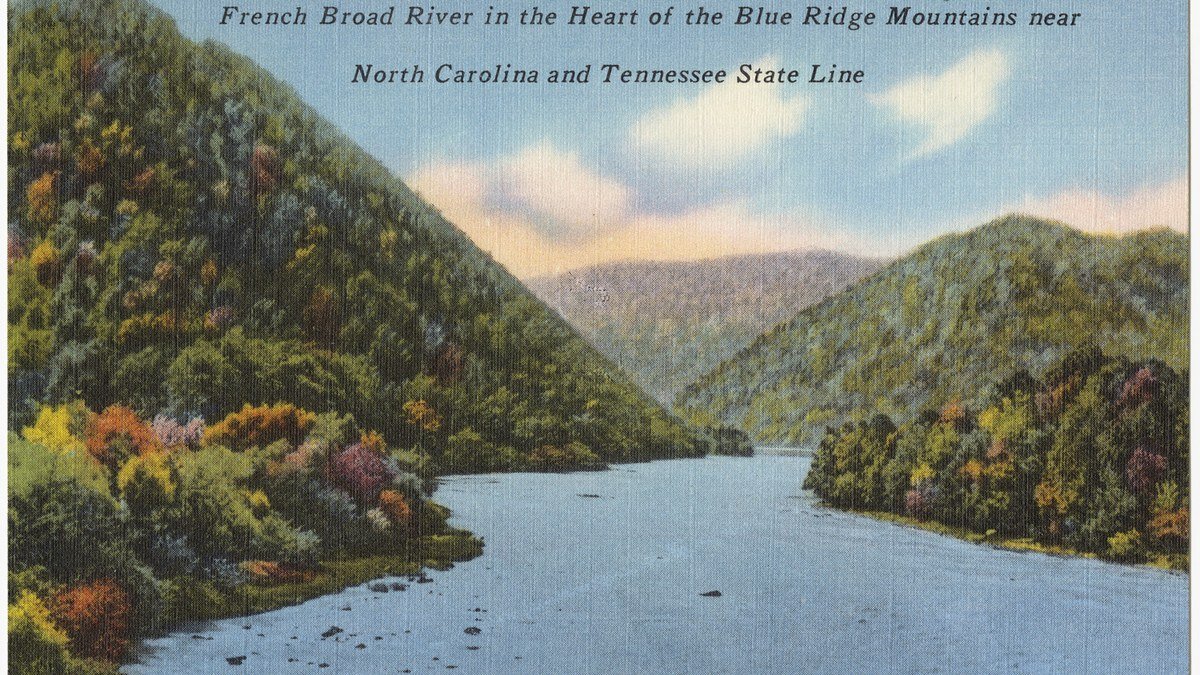
Hurricane Helene carved a devastating path across the southeastern United States on Friday and Saturday, unleashing historic, catastrophic inland flooding across the mountains of Western North Carolina and eastern Tennessee less than 24 hours after smashing into Florida's Big Bend coast as a ferocious Category 4 hurricane with 140 mph sustained winds.
Fueled by antecedent rain and rapid forward speed that pushed deep tropical moisture directly into the steep terrain of the Blue Ridge Mountains, Helene dumped between 15 and 29 inches of rainfall across high-elevation valleys. The deluge pushed the French Broad, Swannanoa, and Pigeon rivers well past century-old flood records set during the Great Flood of 1916.
Historic River Crests Isolate Appalachian Communities
In Asheville, North Carolina, surging waters inundated the historic Biltmore Village district and the River Arts District, submerging structures up to their rooftops and severing virtually all highway access into the city. Multiple rockslides and bridge washouts forced the indefinite closure of Interstate 40 near the North Carolina-Tennessee state line and Interstate 26 across several mountain counties.
Emergency officials issued urgent evacuation alerts near the Lake Lure Dam in Rutherford County and the Nolichucky Dam in eastern Tennessee as structural engineers monitored water overtopping concrete spillways. In Unicoi County, Tennessee, more than 50 patients and medical staff were airlifted by Virginia State Police and Tennessee National Guard helicopters from the roof of Unicoi County Hospital after the Nolichucky River engulfed the facility.
“Western North Carolina is experiencing one of the worst flood disasters in modern state history. Hundreds of emergency swift-water and National Guard rescue teams are operating around the clock to reach stranded communities.”
Hospital Evacuations and Multi-State Power Grid Disruptions
Across six southeastern states—Florida, Georgia, South Carolina, North Carolina, Tennessee, and Virginia—more than 4.2 million homes and businesses remained without electricity as downed transmission towers and flooded substations crippled regional utilities. Cellular network outages and damaged fiber-optic lines left dozens of mountain municipalities in near-total communication blackouts.
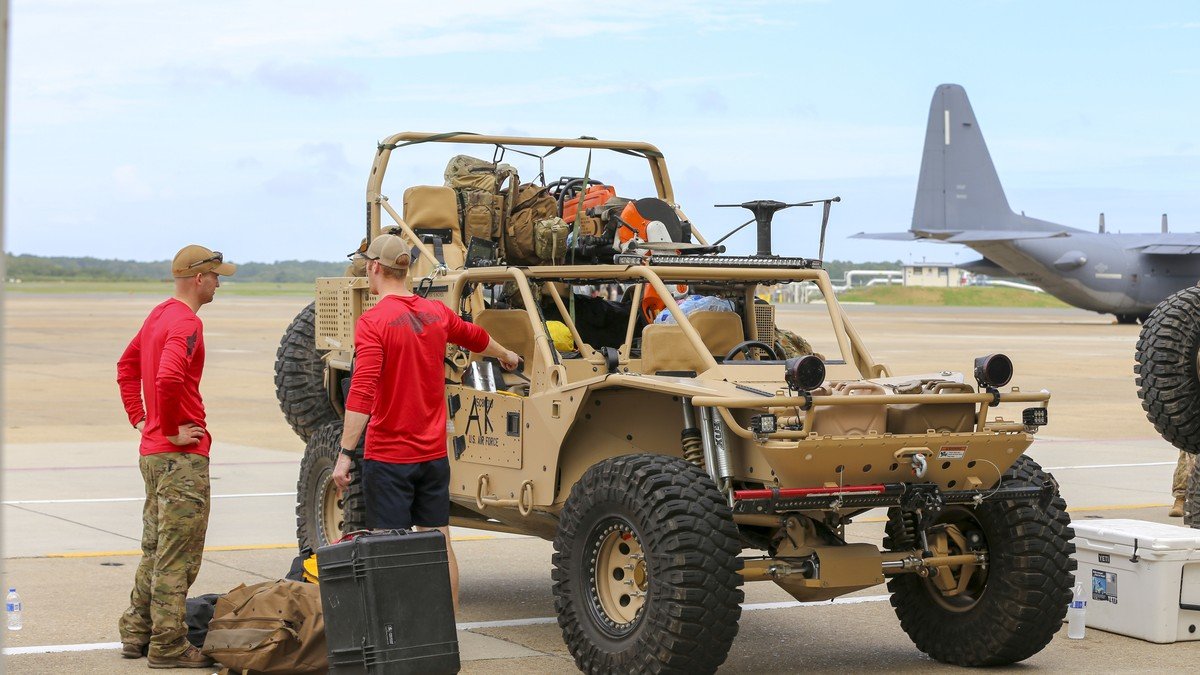
Federal Emergency Management Agency (FEMA) Administrator Deanne Criswell coordinated federal disaster declarations signed by President Joe Biden across the affected states, deploying over 1,500 federal search-and-rescue personnel, satellite communication units, and emergency water and generator supplies as authorities warned that recovery in the Southern Appalachians will take months.

Comments (0)
Log in to join the discussion.