

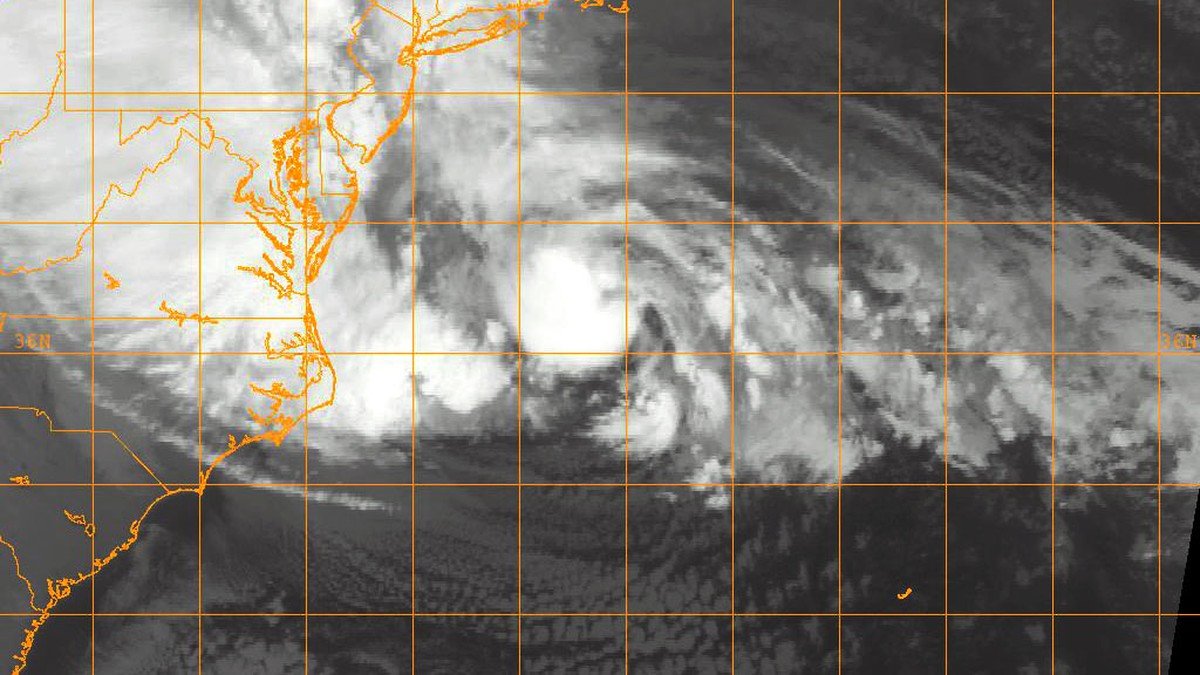
Hurricane Helene roared ashore late Thursday evening near the mouth of the Aucilla River and the city of Perry in Florida's rural Big Bend region, packing ferocious sustained winds of 140 miles per hour as an extremely powerful Category 4 hurricane. The monster tempest, one of the most expansive and intense tropical cyclones to strike the United States Gulf Coast in recent memory, pushed a lethal wall of water deep inland while tearing roofs off structures and uprooting ancient timber stands.
Coastal communities from Tampa Bay northward through Cedar Key, Steinhatchee, and Taylor County suffered unprecedented destruction as storm surge exceeded 15 feet in localized pockets, shattering historical tidal gauge records. Entire fishing hamlets were submerged under saltwater, while residential roadways were converted into rushing marine channels laden with floating debris and downed high-voltage power lines.
Deadly Landfall and Record Storm Surge Along the Gulf Coast
Federal and state emergency management agencies scrambled thousands of specialized urban search and rescue personnel, Florida National Guard soldiers, and coast guard aviators to extract stranded residents from flooded attics and inundated vehicles. Officials had issued mandatory evacuation directives covering several hundred thousand residents, warning repeatedly that surviving the projected oceanic inundation would prove virtually impossible for those remaining behind.
As Helene maintained rapid forward velocity after making landfall, its ferocious wind field swept inland across northern Florida and plowed directly into southern Georgia, toppling heavy transmission towers and crushing homes under falling trees. Meteorological radars documented intense convective wind gusts exceeding hurricane force as far inland as Tallahassee, Valdosta, and metropolitan Atlanta.
“Helene has unleashed unprecedented storm surge and catastrophic wind damage. Search and rescue operations are fully engaged across affected coastal and inland communities.”
Massive Regional Blackouts and Urgent Search Operations
The cyclone's immense footprint paralyzed energy grids throughout the southeastern United States, leaving more than four million homes and commercial facilities without electricity across Florida, Georgia, South Carolina, and North Carolina. Utility providers warned that full grid restoration would require weeks rather than days, as severe physical destruction of substations and main high-voltage corridors hampered repair crews.
Beyond coastal devastation, Helene's torrential rainbands converged with an approaching frontal system over the southern Appalachian Mountains, triggering catastrophic flash floods and landslides in mountainous regions of western North Carolina and eastern Tennessee. Rivers crested at all-time historic heights, sweeping away bridges and isolating vulnerable mountain communities while emergency declarations were enacted across five states.


Comments (0)
Log in to join the discussion.