

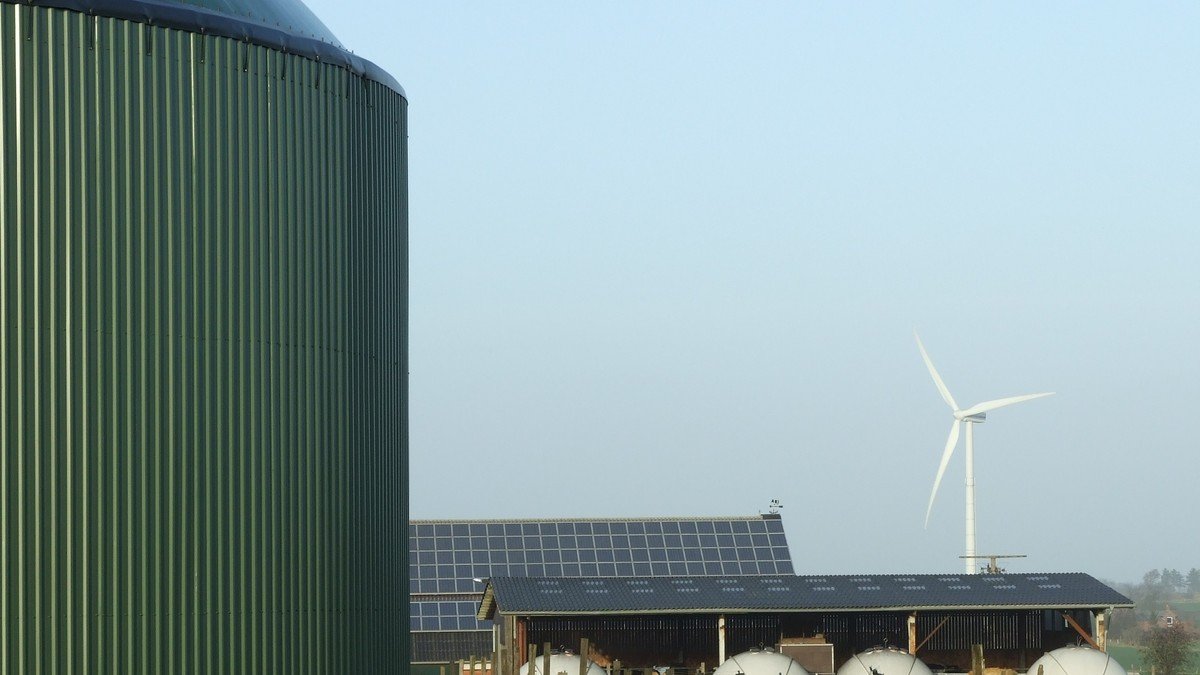
The International Renewable Energy Agency (IRENA) has released its flagship annual report, 'Renewable Power Generation Costs', documenting an unprecedented structural shift in global energy economics. The comprehensive study reveals that 81 percent of all utility-scale solar photovoltaic and wind capacity commissioned worldwide in 2023–2024 delivered electricity at lower levelized costs than the cheapest fossil fuel competitors.
According to IRENA's extensive empirical datasets spanning more than 20,000 commercial projects globally, the levelized cost of electricity (LCOE) for newly built utility-scale solar PV dropped by 12 percent year-on-year. Onshore wind power projects recorded an average cost decline of 3 percent, cementing both technologies as the most economically advantageous generation assets across developed and emerging economies.
Unprecedented Economic Competitiveness of Clean Electricity
The macroeconomic implications of this technological maturation are profound. IRENA estimates that renewable energy deployed globally since 2000 has saved the global electricity sector more than $409 billion in avoided fuel expenditures in 2023 alone. In developing nations, the decoupling of generation costs from volatile fossil commodity benchmarks has insulated national utilities from severe balance-of-payments shocks.
Despite elevated interest rates and localized supply chain bottlenecks over the past two years, technological innovation, economies of scale, and competitive auction design have continued to drive down capital expenditures for clean energy equipment. Photovoltaic module prices reached historic lows, widening the competitive chasm against coal-fired and combined-cycle gas thermal plants.
“Renewables remain cost-competitive despite supply chain challenges. Today, solar and onshore wind represent the lowest-cost power generation options on Earth.”
Accelerating Grid Modernization and 2030 Global Tripling Goals
However, the report underscores that generation competitiveness alone will not suffice to meet internationally agreed climate targets. Achieving the global goal established at COP28 to triple total renewable capacity to 11.2 terawatts by 2030 requires massive simultaneous capital mobilization in high-voltage transmission grids, cross-border interconnectors, and grid-scale battery energy storage systems.
IRENA called upon multilateral development banks and national policymakers to urgently reform permitting procedures and de-risk private financing in the Global South. As clean energy outpaces fossil fuels on purely commercial grounds, modernizing regulatory frameworks will determine the ultimate velocity of the worldwide green energy transition.



Comments (0)
Log in to join the discussion.