

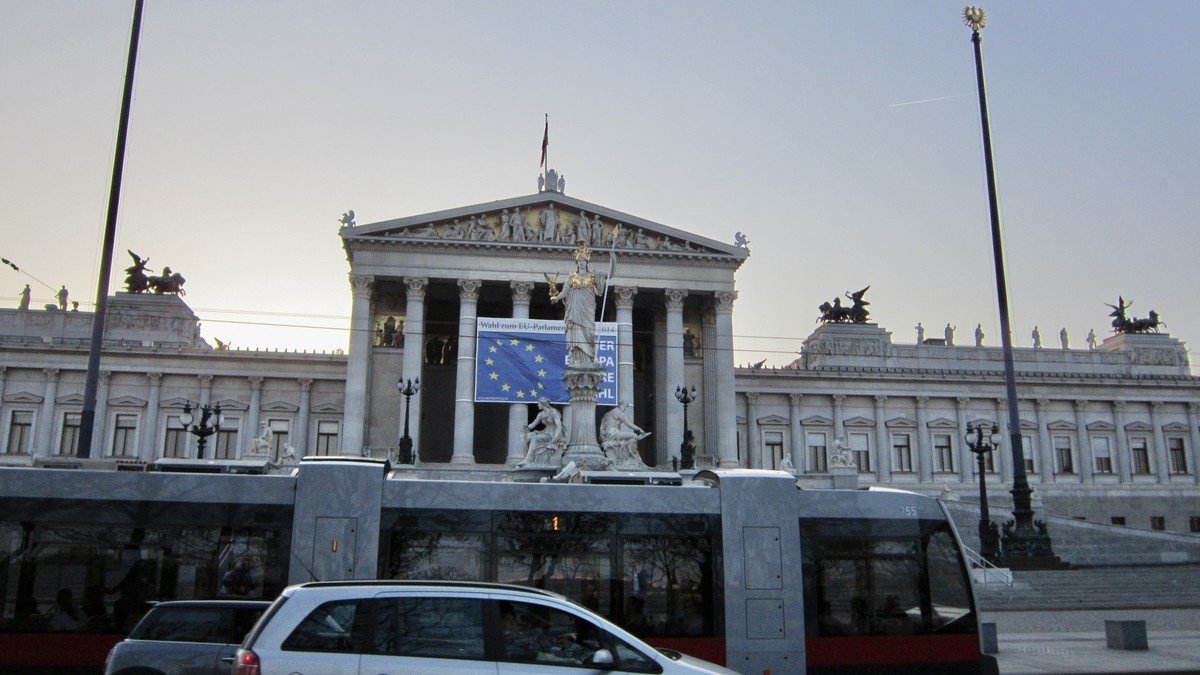
Herbert Kickl led the Freedom Party of Austria (FPÖ) to an unprecedented political triumph on Sunday, winning 28.8% of the vote in the country's parliamentary election. The result marks the first time that a far-right political party has captured first place in a national vote in Austria since the end of World War II, fundamentally redrawing the nation's political landscape.
Incumbent Chancellor Karl Nehammer's conservative Austrian People's Party (ÖVP) suffered severe losses, falling to 26.3% of the vote—an eleven percentage point drop compared to the 2019 general election. The center-left Social Democrats (SPÖ) placed third with 21.1%, recording their weakest historical showing in a national legislative ballot.
Historic Breakthrough for the Freedom Party
Voter dissatisfaction over stubborn inflation, soaring energy costs following the war in Ukraine, and mounting concerns over asylum and integration fueled the FPÖ's surge. Kickl campaigned aggressively on an 'Austria First' platform, demanding strict curbs on immigration, remigration policies, and an end to European Union sanctions against Russia.
Addressing jubilant supporters at party headquarters in Vienna, Kickl hailed the outcome as a democratic awakening. Despite the decisive margin, the FPÖ remains well short of an absolute parliamentary majority, holding 57 seats in the 183-member Nationalrat, meaning Kickl must secure a governing partner to form an administration.
“We have opened a new chapter in Austrian political history. The voters have spoken with crystal clarity: they want security, national sovereignty, and an end to business-as-usual in Vienna.” — Herbert Kickl, Leader of the Freedom Party of Austria
Coalition Obstacles and Vienna's Next Moves
Forming a viable government will present formidable challenges. Chancellor Nehammer swiftly conceded defeat but reaffirmed that the ÖVP would refuse to enter any coalition where Kickl serves as chancellor, citing his hardline rhetoric and pro-Russian foreign policy stances. SPÖ leader Andreas Babler and the Greens likewise ruled out any collaboration with the far right.
Federal President Alexander Van der Bellen emphasized that any future chancellor must respect constitutional norms, democratic rule of law, and Austria's international commitments. As official post-election negotiations begin, Austrian leaders face the delicate task of balancing Kickl's historic mandate against widespread resistance from rival factions.
Frequently Asked Questions
What percentage of the vote did Herbert Kickl and the FPÖ win?
The Freedom Party of Austria (FPÖ) won 28.8% of the national vote, securing 57 seats in the 183-seat Austrian Nationalrat.
Can Herbert Kickl easily become Austria's next Chancellor?
No; because the FPÖ lacks an absolute majority and mainstream parties refuse to serve under Kickl, building a coalition faces deep resistance.
Comments (0)
Log in to join the discussion.