

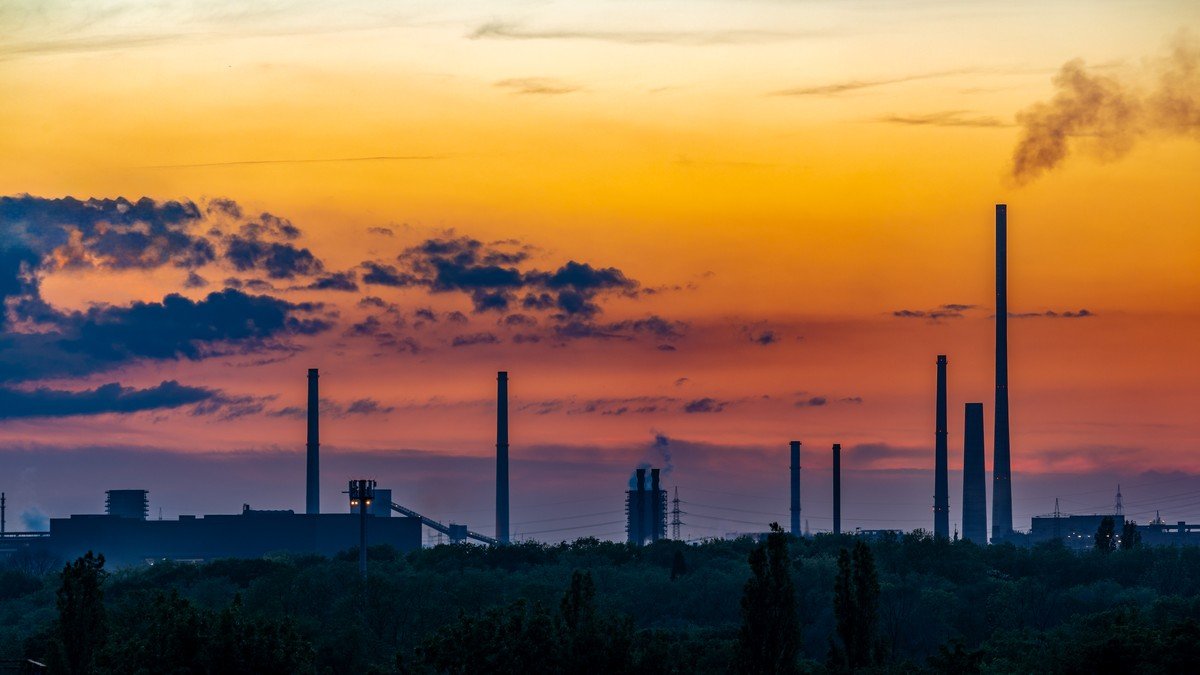
Sentiment across corporate Germany worsened sharply in September, as the Ifo Institute's headline Business Climate Index dropped for the fourth consecutive month to 85.4 points, down from 86.6 in August. The reading fell noticeably below consensus expectations among economists, underscoring the relentless headwinds battering Europe's preeminent manufacturing powerhouse and stoking concerns that the nation is poised for a renewed technical recession.
Based on a closely watched monthly survey of approximately 9,000 enterprises spanning manufacturing, services, trade, and construction, the Munich-based think tank revealed that managers grew markedly more pessimistic. Both key sub-indices weakened simultaneously: corporate assessments of current trading conditions slipped from 86.4 to 84.4, while six-month forward-looking expectations fell from 86.8 to 86.3, signaling protracted economic inertia.
Fourth Straight Decline and Broad Industrial Deterioration
The steepest deterioration occurred within Germany's vital industrial core. Manufacturing confidence plunged to its lowest level since the initial waves of the 2020 pandemic, with order backlogs evaporating and foreign demand—particularly from China and the United States—cooling dramatically. Factory operators continued to report competitive disadvantages rooted in persistently elevated industrial electricity tariffs, stringent regulatory burdens, and chronic labor shortages.
The automotive sector, traditionally the cornerstone of German export prowess, remains at the epicenter of the downturn. Facing sluggish consumer demand for electric vehicles, fierce price competition from Chinese manufacturers, and costly supply chain reorganizations, major domestic carmakers and tier-one suppliers have issued profit warnings and signaled potential domestic production cuts, amplifying broader economic anxiety.
“The German economy is coming under ever-greater pressure. The sentiment among German companies has deteriorated noticeably across both current business assessments and forward-looking expectations.”
Automotive Struggles, Structural Headwinds, and Growth Forecasts
Sectoral breakdowns demonstrated that the economic malaise is no longer confined to heavy manufacturing. The service sector, which had provided modest stabilization earlier in the year, registered declining optimism as business-to-business demand contracted. Similarly, the construction index lingered in deeply negative territory, crippled by prohibitive financing costs and stalling commercial building permits.
Leading economic research institutes and international institutions are now revising their annual growth forecasts downward, with several projecting that Germany's gross domestic product will contract slightly over the full year. The sobering Ifo figures put renewed pressure on Chancellor Olaf Scholz's governing coalition to accelerate structural reforms, slash bureaucratic red tape, and introduce decisive corporate tax incentives to revive industrial vitality.

Comments (0)
Log in to join the discussion.