

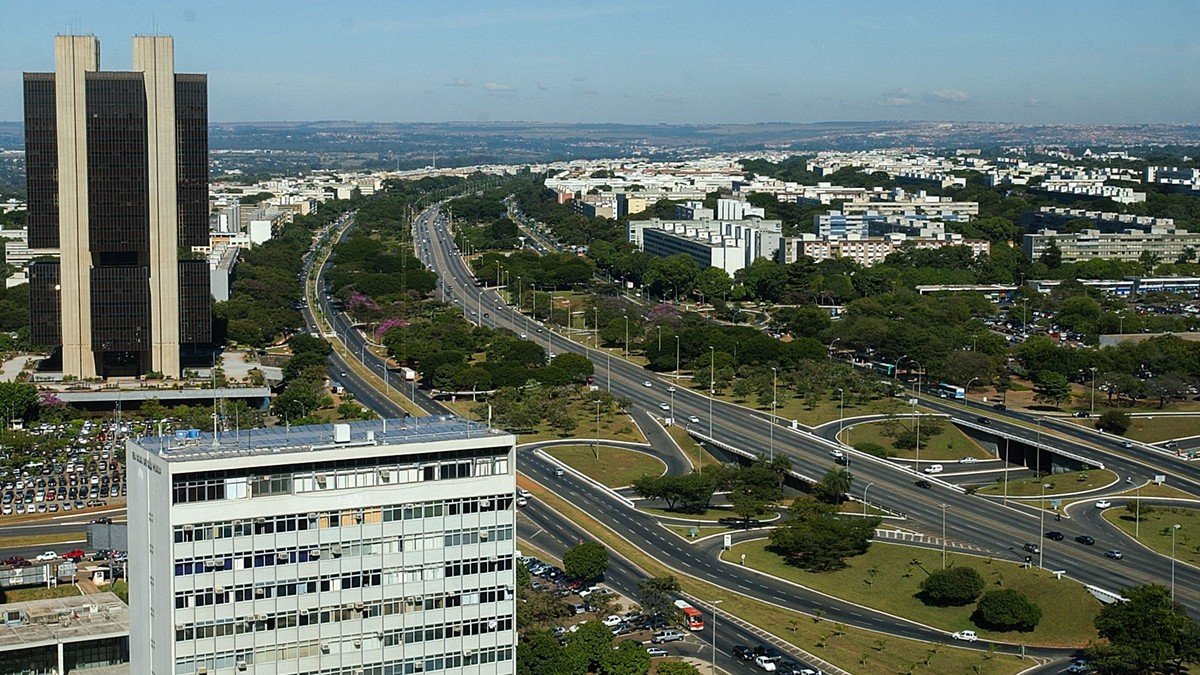
The Central Bank of Brazil (Banco Central do Brasil - BCB) published the minutes of its September Monetary Policy Committee (Copom) meeting on September 24, 2026, articulating the macroeconomic rationale behind its unanimous decision to increase the benchmark Selic interest rate by 25 basis points from 10.50% to 10.75%. The document highlights heightened vigilance regarding domestic demand pressures, emphasizing that the monetary authority will not hesitate to pursue further tightening if inflation convergence is threatened.
According to the minutes, policymakers were prompted into action by a constellation of stronger-than-expected economic indicators released by the Brazilian Institute of Geography and Statistics (IBGE). Brazil's gross domestic product expanded briskly through the first half of the year, driven by robust household consumption, sustained public transfers, and an exceptionally tight labor market where national unemployment fell to multi-year lows, triggering accelerated wage gains in the labor-intensive services sector.
Tight Labor Markets, Robust GDP Growth, and Rising Inflation Expectations
A core driver of Copom's hawkish shift was the persistent deterioration of inflation expectations. In the central bank's weekly Focus survey, market forecasts for consumer price index (IPCA) inflation over the policy-relevant horizons of 2024 and 2025 have steadily drifted upward, decoupling from the official 3.00% target toward the upper tolerance ceiling of 4.50%. Committee members emphasized that allowing inflation expectations to remain de-anchored would significantly increase the economic costs of restoring price stability.
Crucially, the minutes reflected complete institutional cohesion within the nine-member committee, bringing together outgoing central bank governor Roberto Campos Neto and board members nominated by the current government, including monetary policy director Gabriel Galípolo. The unanimous 9-0 vote was deliberately designed to reassure financial markets that monetary policy remains strictly technical and insulated from political friction over borrowing costs.
“The committee unanimously judged that the current macroeconomic environment, characterized by resilient economic activity and unanchored inflation expectations, demands a more contractionary monetary posture.”
Divergence from Global Rate Cuts and Fiscal Credibility Headwinds
Copom's decision cements Brazil as a notable counter-cyclical outlier in the global financial landscape. While the United States Federal Reserve commenced its monetary easing cycle with an aggressive half-percentage-point cut and the European Central Bank lowered rates, Brazil has pivoted back toward monetary tightening, underscoring the idiosyncratic domestic pressures facing Latin America's largest economy.
Market analysts in São Paulo and Brasília interpreted the minutes as signaling a protracted and data-dependent cycle of interest rate adjustments. Financial markets are pricing in additional 50-basis-point hikes at forthcoming meetings before the end of the year, with benchmark yields rising and the Brazilian real finding modest support. Copom concluded by warning that fiscal credibility and adherence to public spending targets remain essential prerequisites for lowering structural interest rates in the medium term.



Comments (0)
Log in to join the discussion.