

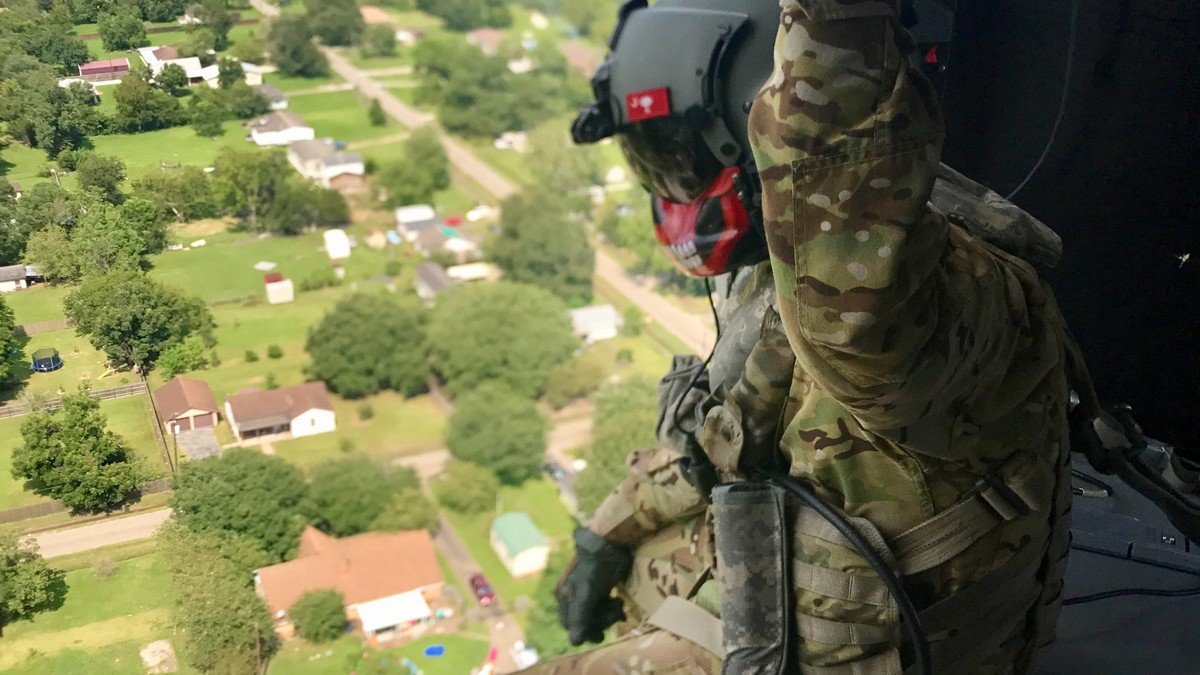
The Federal Emergency Management Agency (FEMA) has deployed over $1 billion in federal disaster assistance and mobilized more than 3,500 federal responders across North Carolina, South Carolina, Florida, Georgia, and Tennessee. Responding to the catastrophic devastation wrought by Hurricane Helene, the multi-state relief operation represents one of the largest federal emergency deployments in modern American history.
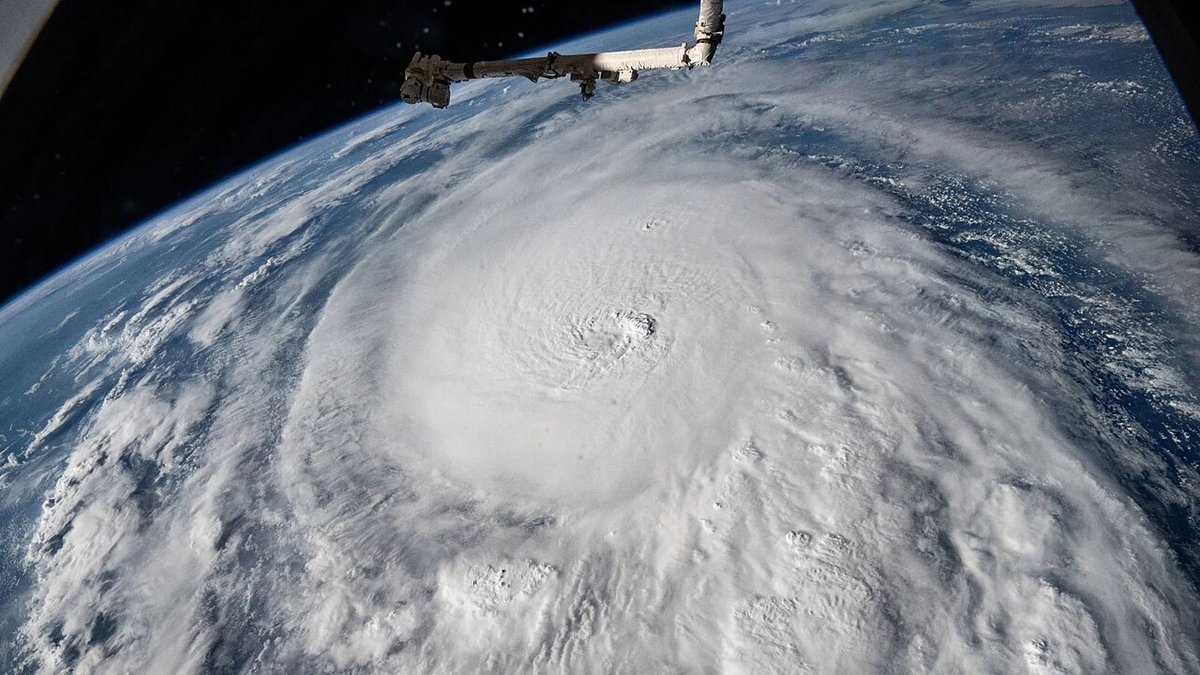
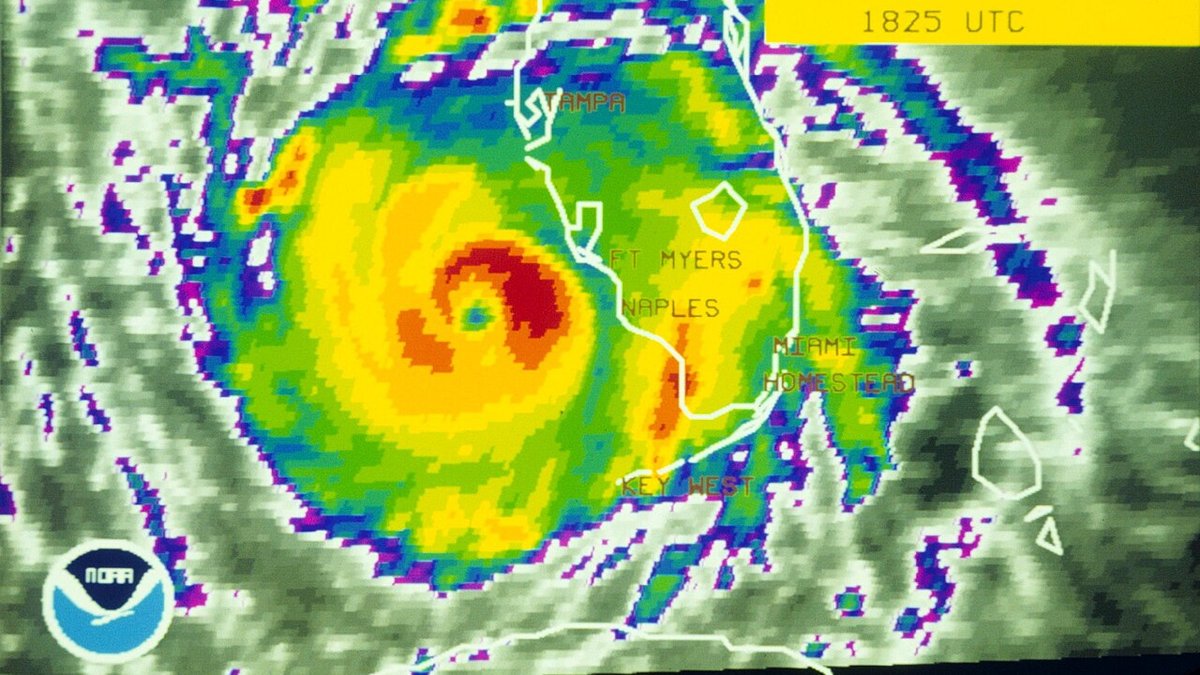
Helene made landfall along Florida's Big Bend as a Category 4 monster before tracking inland, dumping unprecedented rainfall that triggered biblical flash flooding, catastrophic mudslides, and widespread infrastructure collapse across the southern Appalachian mountains. Western North Carolina bore the brunt of the destruction, with historic mountain communities such as Asheville and surrounding Buncombe County completely severed from road and cellular networks.
Massive Multi-Agency Mobilization Targets Cut-Off Mountain Communities
In response to severed transportation corridors, FEMA established an unprecedented multi-state air bridge in coordination with the Department of Defense and National Guard aviation units. Over 8.8 million meals, 7.4 million liters of potable water, and 150 power generators have been flown into forward operating staging areas, with specialized search-and-rescue teams navigating treacherous washed-out terrain on foot and by pack mule.
Addressing persistent telecommunications blackouts that hindered emergency coordination, federal authorities deployed hundreds of Starlink satellite terminals across isolated fire departments, hospitals, and municipal relief shelters. FEMA's Incident Management Assistance Teams worked alongside local first responders to restore basic 911 dispatch capabilities and enable displaced residents to contact loved ones.
“This is a historic, multi-state disaster. FEMA and the entire federal interagency are staying on the ground until every affected family and community is restored.” — Deanne Criswell, Administrator of the Federal Emergency Management Agency
Critical Lifeline Restoration: Potable Water, Power Grids, and Satellite Comms
President Joe Biden approved Major Disaster Declarations for all impacted southeastern states, authorizing 100 percent federal cost sharing for emergency debris removal and life-saving operations. FEMA's Individual Assistance program began disbursing direct financial grants to survivors to cover temporary lodging, emergency home repairs, and critical replacement medicines.
As utility crews work around the clock to restore electrical service to over a million homes and the Army Corps of Engineers stabilizes municipal wastewater plants, federal leaders reiterated their enduring commitment to long-term community rebuilding. The catastrophic impact of Helene has renewed urgent national calls for modernizing infrastructure resilience in the era of accelerating climate extremes.
Frequently Asked Questions
How much federal disaster funding has FEMA deployed for Hurricane Helene?
FEMA has deployed over $1 billion in direct federal funding and activated more than 3,500 responders to support storm survivors.
Which states received major disaster relief assistance after Hurricane Helene?
Relief operations are focused across North Carolina, South Carolina, Florida, Georgia, and Tennessee.
Comments (0)
Log in to join the discussion.