

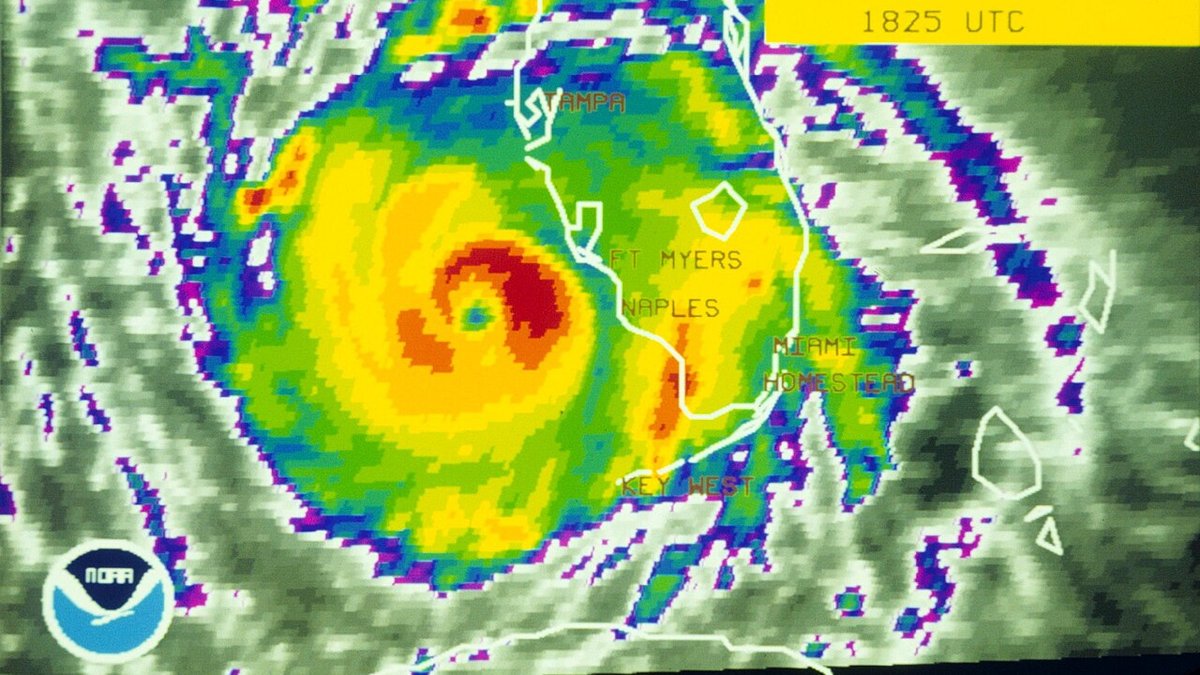
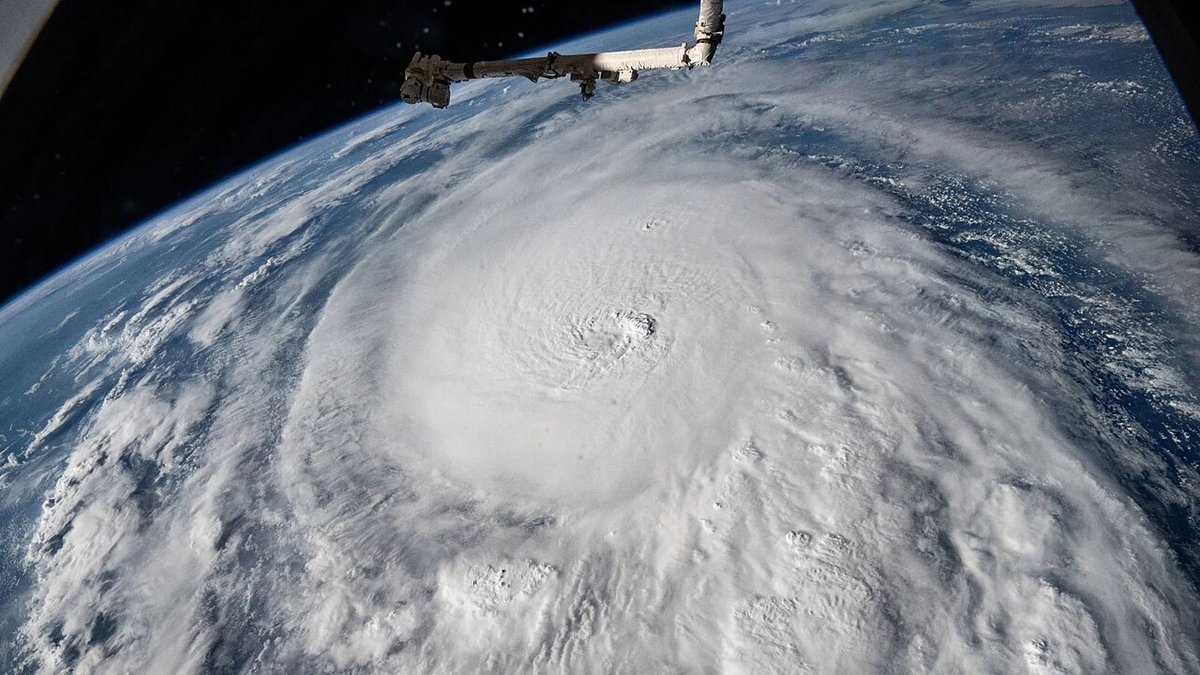
Tropical Storm Milton formed in the southwestern Gulf of Mexico on Saturday, prompting immediate warnings from the National Hurricane Center as environmental conditions favor rapid intensification into a dangerous major hurricane.
Forecasters tracking the cyclone reported sustained winds quickly increasing over exceptionally warm waters in the Bay of Campeche, creating high risks of life-threatening storm surge and destructive winds for Florida's western coastline.
Rapid Intensification Forecast Over Warm Gulf Waters
Computer models indicate Milton will track eastward across the Gulf, potentially making landfall midweek as a Category 3 hurricane or stronger in areas still dealing with catastrophic debris from Hurricane Helene.
In response to the growing peril, Florida Governor Ron DeSantis declared a state of emergency across 35 counties, directing state emergency management agencies to coordinate widespread asset staging and flood barrier deployments.
“While residents continue to recover from Hurricane Helene, we are marshalling all available state resources and urging Floridians along the Gulf Coast to finalize their emergency plans now.” — Ron DeSantis, Governor of Florida
State Mobilizes Emergency Resources Amid Helene Recovery
Emergency officials emphasized that power restoration crews, fuel reserves, and search-and-rescue teams have been placed on high alert as evacuation staging centers prepare to open across vulnerable coastal counties.
Residents throughout the Florida peninsula are advised to secure loose outdoor property, verify hurricane evacuation routes, and maintain at least seven days of non-perishable food, water, and prescription medicine.
Frequently Asked Questions
Where did Tropical Storm Milton form and where is it heading?
Milton formed in the southwestern Gulf of Mexico and is projected to move northeastward toward Florida's west coast as a major hurricane.
What measures has Florida taken in response to Milton?
Governor Ron DeSantis declared an emergency across 35 counties, mobilizing emergency agencies, fuel supplies, and search-and-rescue teams.
Comments (0)
Log in to join the discussion.