

In a momentous stride toward accelerating its clean energy transition, the Cabinet Committee on Economic Affairs (CCEA) chaired by Prime Minister Narendra Modi has approved the Green Energy Corridor Phase-III. The colossal infrastructure package involves a total capital outlay of ₹1,86,405 crore ($22.3 billion) dedicated to expanding the nation's interstate transmission system.
The ambitious mega-project will establish approximately 15,000 circuit kilometers of extra-high-voltage transmission lines alongside large-scale grid-scale Battery Energy Storage Systems (BESS). The network is specifically engineered to evacuate and transmit 135 gigawatts of prospective renewable generation from energy-rich deserts and coastal plains.
Massive Interstate Grid Expansion Across Western States
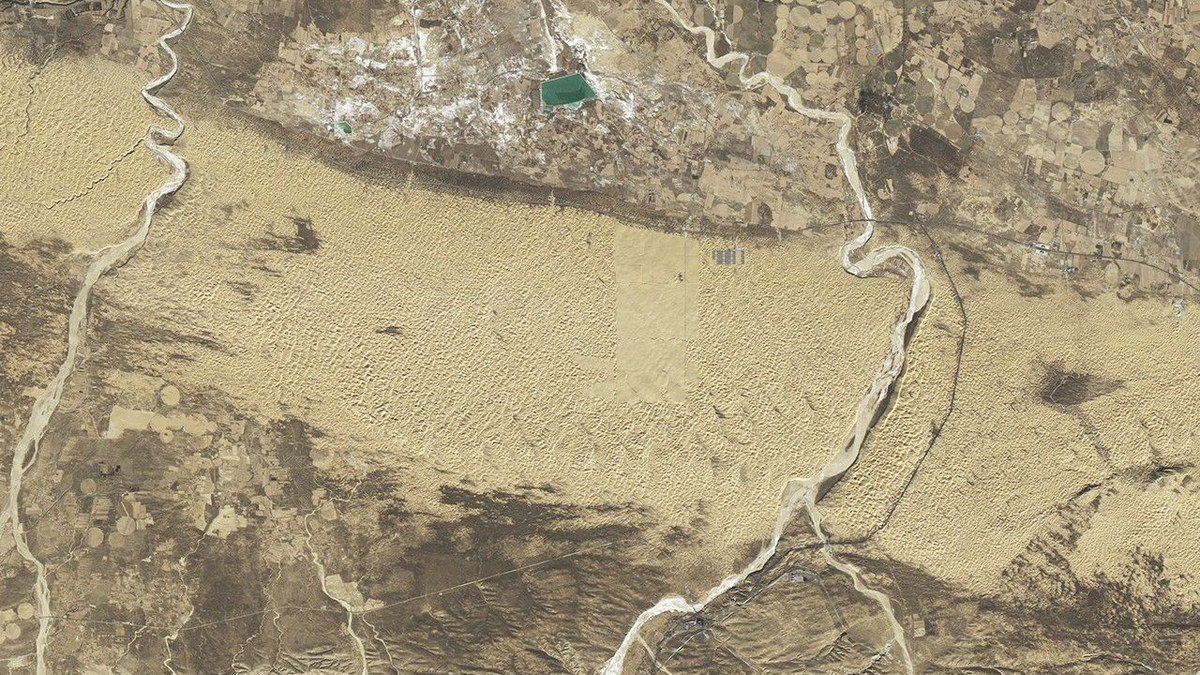
Implementation will be concentrated primarily across the renewable powerhouse states of Gujarat, Rajasthan, and Maharashtra. Vast solar parks in Rajasthan's Thar Desert and major offshore wind clusters along the Gulf of Kutch will directly hook into these new high-capacity transmission highways to deliver clean electricity to distant industrial corridors.
A critical component of Phase-III is the integration of advanced battery storage solutions, which will stabilize grid frequency and store excess mid-day solar power for release during peak evening demand hours. This addresses historical curtailment challenges and ensures that intermittent green power does not jeopardize grid security.
“Building robust green energy transmission infrastructure is the backbone of India's pledge to achieve 500 gigawatts of non-fossil capacity by 2030 while ensuring clean, reliable power for industrial expansion.” — Ministry of New and Renewable Energy of India
Anchoring India's 500-Gigawatt Non-Fossil Commitment
The approval comes as India accelerates its decarbonization timeline under the Panchamrit climate pledges made at COP26. With over 200 gigawatts of non-fossil capacity already installed, building the accompanying wheeling infrastructure has emerged as the critical bottleneck determining whether the nation meets its 2030 target of 500 gigawatts.
Funding for the corridor will be structured through a blend of central government grants, state equity participation, and low-cost multilateral development loans. State-run Power Grid Corporation of India Limited (POWERGRID) will act as the principal executing agency, initiating procurement and engineering tenders immediately.
Frequently Asked Questions
What is the budget for India's Green Energy Corridor Phase-III?
The project has an approved total capital outlay of ₹1,86,405 crore (approximately $22.3 billion).
How much renewable power capacity will Phase-III transmit?
The transmission lines will evacuate 135 gigawatts of solar and wind generation across western states.


Comments (0)
Log in to join the discussion.