

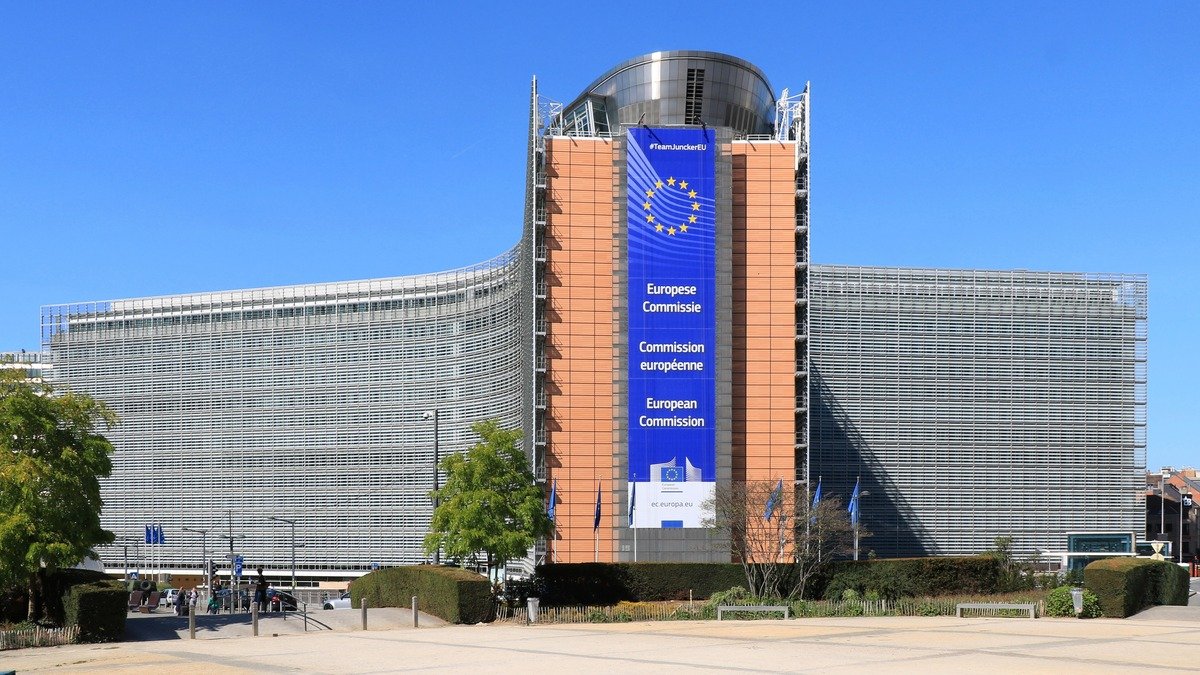
The European Commission and the Chinese Ministry of Commerce announced an agreement to intensify high-level technical negotiations over alternative price commitments for Chinese-made battery electric vehicles (BEVs) following pivotal talks held in Brussels. European Union Trade Commissioner Valdis Dombrovskis and Chinese Commerce Minister Wang Wentao conducted extensive consultations aimed at averting a full-scale trade war ahead of a looming member state vote on definitive countervailing duties.
The diplomatic overture centers on the viability of 'price undertakings'—a recognized World Trade Organization mechanism wherein exporters voluntarily commit to floor prices and quantitative caps to neutralize the injurious market distortions of state subsidies. While earlier Chinese price proposals had been rejected by Brussels as inadequate and difficult to monitor, both sides agreed to review customized company-by-company commitments.
Exploring WTO-Compliant Price Undertakings
The European Commission emphasized that any acceptable negotiated outcome must satisfy three non-negotiable criteria: it must be fully compliant with WTO rules, strictly monitorable and enforceable across all customs entry points, and completely equivalent in its remedial effect to the proposed countervailing tariffs. Dombrovskis underscored that technical teams will conduct daily rounds to scrutinize complex pricing formulas across distinct EV segments.
The backdrop to the talks is an impending EU vote on five-year definitive tariffs ranging up to 35.3% on Chinese EV manufacturers including SAIC, Geely, and BYD, added atop the EU's standard 10% automobile duty. Without a qualified majority of member states voting to block the measure—representing 15 countries and 65% of the bloc's population—the duties will legally take effect in late October.
“Both sides confirmed their strong political will to find a negotiated solution. However, any alternative must be effective in addressing the injurious subsidies identified during our thorough investigation and be fully enforceable.”
Member State Fault Lines and Retaliation Risks
Significant geopolitical and industrial fractures have emerged among European capitals. Germany and Hungary, whose domestic automakers maintain deep manufacturing ties and massive consumer footprints in mainland China, have lobbied urgently for compromise to avoid retaliatory blows. Conversely, France and Italy continue to champion rigorous tariffs to protect domestic European assembly lines from state-subsidized price undercut.
Beijing has already initiated targeted trade investigations into European exports, including French cognac, Spanish pork, and EU dairy products, while warning that retaliatory tariffs could target large-engine combustion vehicles. Negotiators in Brussels now face an exceptionally narrow diplomatic window to craft workable minimum price schedules before the tariffs are formally cemented into European law.
Comments (0)
Log in to join the discussion.