

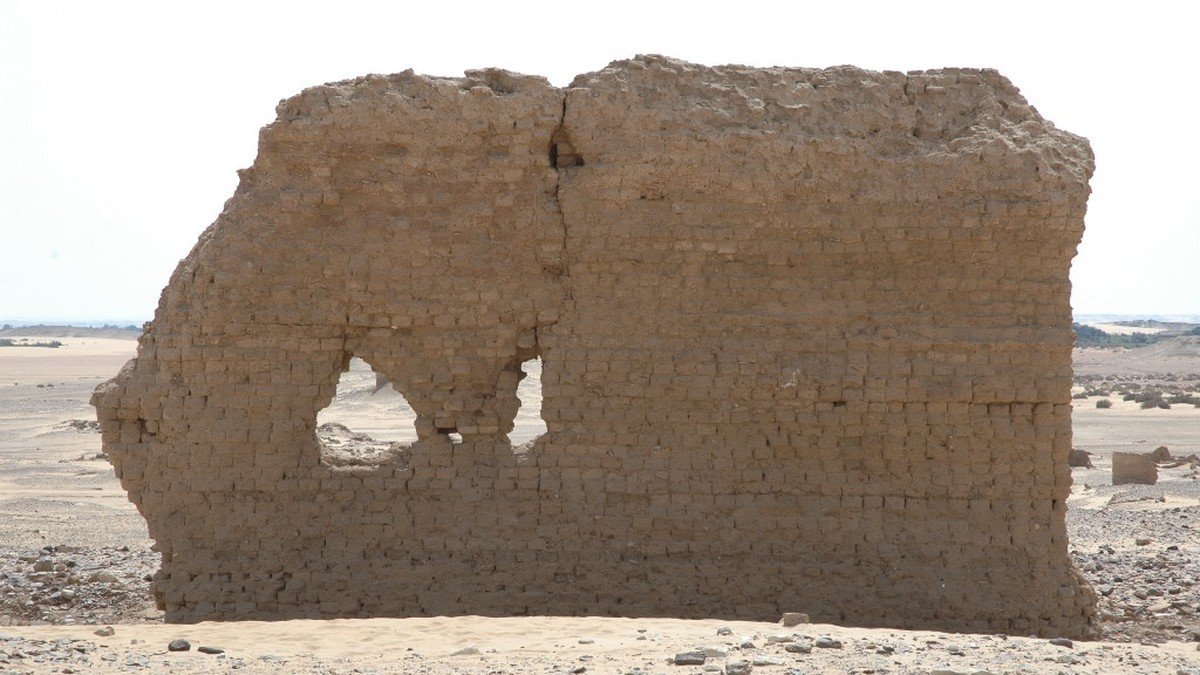
An Egyptian archaeological mission operating under the Supreme Council of Antiquities has unearthed two remarkably preserved mudbrick tombs from the Roman era at the Bir al-Shaghala archaeological site in the city of Mut, situated within the New Valley Governorate's Dakhla Oasis. The discovery sheds fresh light on the sophisticated blending of pharaonic funerary traditions with classical Greco-Roman architectural styles in Egypt's remote desert oases.
According to official reports released by the Ministry of Tourism and Antiquities, the structures are distinguished by their pyramidal roof superstructures—an exceedingly rare design for provincial Roman tombs in the Western Desert. Built primarily from durable sun-dried mudbricks, the tombs feature subterranean burial vaults, sandstone offering tables, and multi-chambered layouts designed for communal interments.
Architectural Marvels and Vibrant Deities in Mudbrick
Inside the first tomb, excavators documented a staircase leading down to an arched burial chamber flanked by two side rooms. The plaster-covered walls retain vibrant multi-colored murals depicting traditional Egyptian deities, including scenes of Anubis weighing the heart, Osiris presiding over the underworld, and Isis extending protective wings alongside classical Roman decorative borders and floral garlands.
The second tomb, positioned adjacent to the first, revealed a prominent sandstone altar situated at the entrance, likely utilized for libations and daily commemorative rituals. Within the tomb's niches, researchers recovered clay oil lamps, domestic pottery vessels, glass unguentaria, and fragments of inscribed papyri that point toward use during the early centuries of the common era.
“These pyramid-topped tombs reveal the unique architectural fusion between traditional Egyptian funerary customs and Greco-Roman artistic influences in the Western Desert oases.”
Unlocking the Funerary Legacy of the Western Desert
Bir al-Shaghala has previously yielded several significant funerary complexes dating from the Late Period through the Ptolemaic and Roman eras, establishing the necropolis as a vital trade hub and administrative center along ancient caravan routes. The presence of pyramidion-style architecture underscores how local provincial elites maintained allegiance to monumental sacred geometry while adopting imperial Roman customs.
Conservation specialists have begun immediate consolidation and stabilization of the painted plaster walls to shield the fragile pigments from desert temperature fluctuations. The Ministry plans to catalog the recovered artifacts at regional museums and eventually incorporate the Bir al-Shaghala necropolis into expanding eco-cultural tourism routes across the Western Desert.
Comments (0)
Log in to join the discussion.