

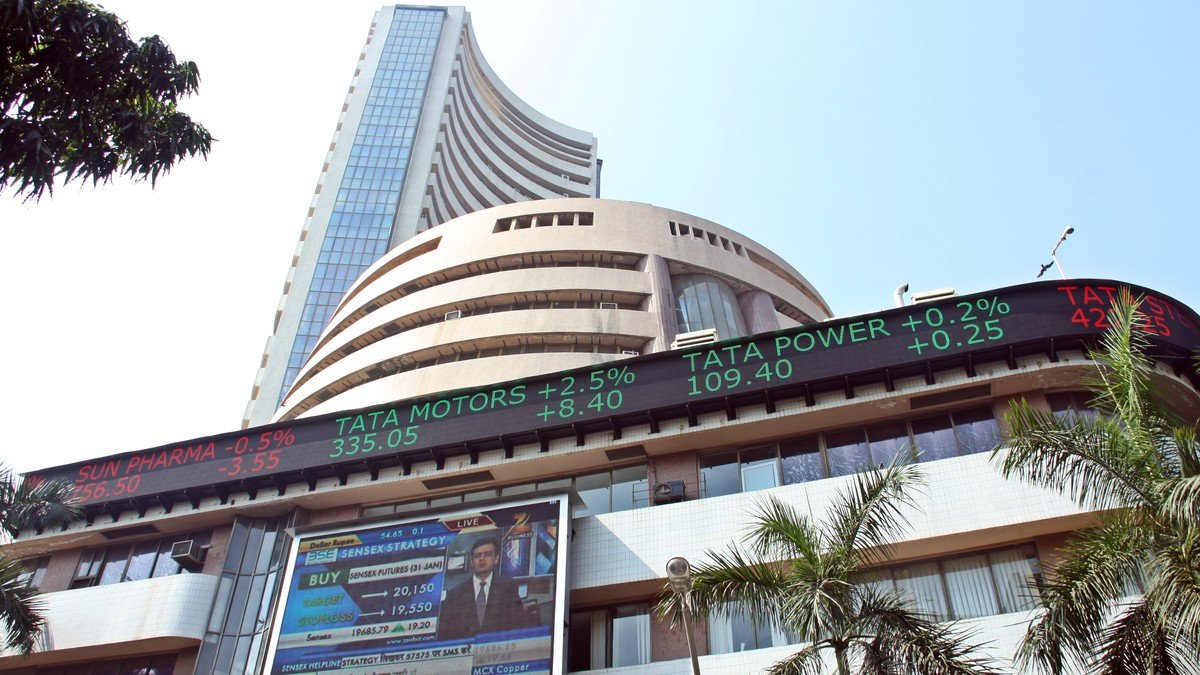
Indian equity markets etched an indelible chapter in financial history on September 24, 2026, as the benchmark BSE Sensex crossed the historic 85,000 threshold for the first time, while the broader NSE Nifty 50 surmounted the 26,000 milestone. Trading floors across Dalal Street buzzed with euphoric energy from the opening bell as the 30-share Sensex surged to an intraday high of 85,163.23. Simultaneously, the 50-share Nifty advanced to an unprecedented lifetime peak of 26,011.30, highlighting profound investor confidence across Mumbai dealing rooms.
The catalyst behind the explosive upward momentum was a powerful convergence of global monetary tailwinds and aggressive portfolio reallocation by foreign institutional investors (FIIs). In the wake of the US Federal Reserve's decisive 50-basis-point interest rate reduction, global asset managers accelerated risk-on capital deployments toward premier emerging market assets. India, boasting the fastest gross domestic product expansion among major global economies, emerged as the prime destination, attracting billions in net equity inflows across consecutive trading sessions.
Historic Records at Dalal Street and the Post-Fed Liquidity Wave
Frontline metal stocks spearheaded the rally, posting aggressive gains following China's announcement of a broad-based fiscal and monetary stimulus package. Heavyweights Tata Steel, JSW Steel, and Hindalco Industries rallied between 3.5% and 5.2%, providing tremendous upward thrust to both headline indices. The metal surge was complemented by sustained accumulation in heavyweight private banking giants including ICICI Bank and HDFC Bank, as well as telecom bellwether Bharti Airtel and auto major Mahindra & Mahindra.
In addition to foreign inflows, domestic institutional liquidity continued to serve as a formidable bedrock for Dalal Street. Monthly contributions through Systematic Investment Plans (SIPs) topped a historic ₹23,500 crore, ensuring that retail and domestic mutual fund capital readily absorbed any institutional profit-taking. The combined market capitalization of all BSE-listed entities expanded past a staggering $5.6 trillion, consolidating India's ranking as the fourth-largest equity market worldwide.
“Crossing 85,000 is an extraordinary psychological milestone that underscores the structural resilience of India's macroeconomic fundamentals and unabated domestic liquidity.”
Sectoral Outperformance, Valuations, and Macroeconomic Resilience
Despite the celebratory atmosphere, seasoned market strategists and brokerage houses have advised prudent asset allocation, noting that valuation multiples have reached historically demanding bands. The Nifty 50's forward price-to-earnings ratio currently stands above 22.8 times, reflecting premium valuations compared to regional emerging market peers. Analysts emphasized that while robust corporate earnings justify higher multiples, portfolio managers must remain cognizant of potential headwinds arising from geopolitical friction and crude oil price volatility.
Looking ahead, institutional sentiment remains overwhelmingly constructive regarding India's multi-year structural transformation. Continued state capital expenditures, accelerating private sector capex, and rising weightings in international benchmarks such as the MSCI Emerging Markets Index position Indian equities for enduring relevance. As Dalal Street celebrates this historic double milestone, Mumbai has reinforced its reputation as one of the world's most dynamic capital allocation epicenters.


Comments (0)
Log in to join the discussion.